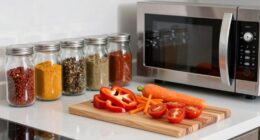
Planning your dinner with leftovers in mind helps you create nutritious, ready-to-eat lunches for the next day, saving you time, money, and stress during busy days. Cook with the intention of transforming your meal into a satisfying lunch by repurposing ingredients and controlling portions. Store leftovers properly in airtight containers to keep them fresh and safe. Keep exploring to discover more tips on how this simple habit can make your days easier and more efficient.
Key Takeaways
- Cook dinner with the next day’s lunch in mind to save time and reduce stress.
- Store leftovers in airtight containers for freshness and easy access.
- Transform evening leftovers into new meals, like turning roasted vegetables into a salad.
- Portion meals appropriately to prevent waste and ensure enough for the next day.
- Plan and prep meals in advance to promote healthy eating and cost savings.

Have you ever wondered how to make the most of your travel time? The key isn’t just in planning your itinerary but also in managing your meals efficiently. That’s where the idea of planovers comes in—preparing your dinner with tomorrow’s lunch in mind. It’s a simple concept that can save you time, money, and stress during busy days. When you plan your evening meal with leftovers management in mind, you’re setting yourself up for a stress-free lunch the next day. Instead of rushing to find a place to eat or grabbing something unhealthy, you can enjoy a nutritious, homemade meal that’s already waiting for you. This approach allows you to maximize your time, especially if you’re on a packed schedule or traveling between destinations.
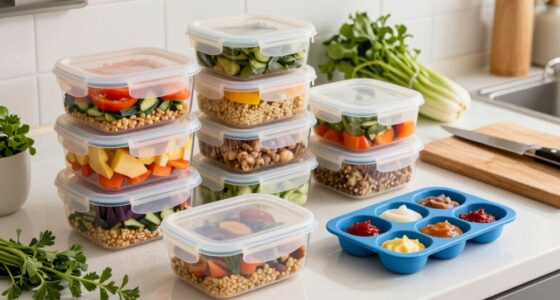
Starting with meal prep is essential. When you cook dinner, think about how leftovers can be transformed into tomorrow’s lunch. For example, a big batch of roasted vegetables, grilled chicken, or even a pasta dish can be easily packed away and reimagined for the next day. Proper leftovers management means storing these dishes correctly, using airtight containers to keep everything fresh and prevent spoilage. By doing so, you’re not only reducing food waste but also making it easier to grab a quick, healthy meal without any fuss. It’s a smart way to stay energized and avoid the temptation of fast food or vending machine snacks when you’re short on time or feeling tired after a busy day.
Cooking dinner with leftovers in mind makes quick, healthy lunches easy and reduces waste.
Additionally, planning your dinners with leftovers in mind encourages you to cook more intentionally. You’ll start to think about portion sizes, ingredients, and flavors that can be repurposed into different meals. For example, leftover rice can become a base for a quick stir-fry, or leftover grilled meats can be added to a salad or wrap. This flexibility makes your meal planning more efficient and less stressful. Plus, it gives you the chance to enjoy your favorite dishes more than once, saving money and reducing waste. When you’re traveling or busy, having a plan for leftovers means you’re less likely to resort to unhealthy or expensive options, helping you stay on track with your health and budget goals.
In the end, the secret to successful planovers lies in thoughtful meal prep and leftovers management. By cooking with an eye toward the next day’s lunch, you’re creating a seamless transition from dinner to the next meal. It’s a practical habit that saves time, reduces waste, and ensures you always have a nutritious meal ready to go. Proper storage can help preserve freshness and prevent spoilage, making leftovers safer and more enjoyable. So next time you prepare dinner, consider how leftovers can work for you—because planning today’s dinner to be tomorrow’s lunch is a simple way to make your busy life easier and more enjoyable.
Frequently Asked Questions
How Long Can Planovers Be Safely Stored in the Refrigerator?
You can safely store planovers in the refrigerator for up to three to four days. To guarantee food safety, always store them in airtight containers and refrigerate promptly after meals. Use refrigeration tips like dividing large portions into smaller, shallow containers to help them cool quickly and stay fresh longer. Be sure to reheat thoroughly before eating and check for any signs of spoilage, such as bad smell or slimy texture.
What Are the Best Types of Meals for Effective Planovers?
You should choose meals with good flavor stability and variety for effective planovers. Opt for dishes like roasted vegetables, grilled meats, or hearty pasta, which hold up well overnight. Incorporate meal variety by mixing different proteins and grains to keep flavors interesting. Proper storage helps preserve flavor, so use airtight containers, and reheat carefully to maintain taste and texture. This approach guarantees your planovers stay delicious and satisfying for the next day.
Can Planovers Be Frozen for Longer Storage?
Imagine your leftovers as treasure chests, ready to be preserved for future adventures. Yes, you can freeze leftovers for longer storage, locking in freshness like a secret. Wrap them tightly and label the date. When reheating, follow tips like letting them thaw completely and heating evenly to avoid cold spots. Freezing leftovers keeps your planovers safe, flavorful, and ready to enjoy whenever you need a quick, delicious meal.
Are There Any Foods That Don’T Reheat Well for Planovers?
Some foods don’t reheat well for planovers, especially those with high water content like salads or crispy items like fried foods. To guarantee food safety and good texture, use reheating techniques like gentle microwave settings or oven reheating. Avoid overheating, which can compromise food safety and quality. Sticking to these methods helps preserve flavor, texture, and safety, making your planovers enjoyable and safe to eat the next day.
How Can I Prevent Meals From Drying Out When Storing as Planovers?
To prevent meals from drying out as planovers, focus on moisture retention and reheating techniques. Store your food in airtight containers to lock in moisture, and add a splash of water or broth before reheating. Use gentle reheating methods like a microwave with a cover or stovetop on low heat, stirring occasionally. These steps help keep your leftovers juicy and flavorful, ensuring they taste just as good the next day.
Conclusion
Now, as you prepare tonight’s dinner, think ahead to tomorrow’s lunch. Just like a sunrise and sunset, they’re different moments of the same day — one nourishing now, the other waiting to refresh you later. Your planovers turn fleeting flavors into lasting memories. With a little foresight, you turn today’s meal into tomorrow’s energy, blending today’s warmth with tomorrow’s promise. It’s a simple act that makes every bite a thoughtful gift.