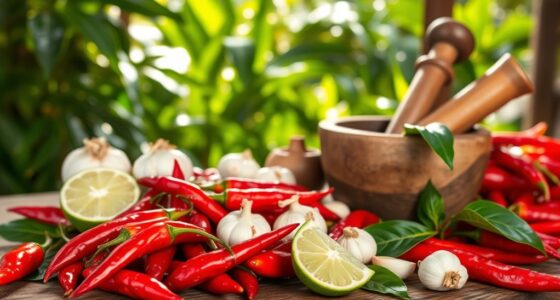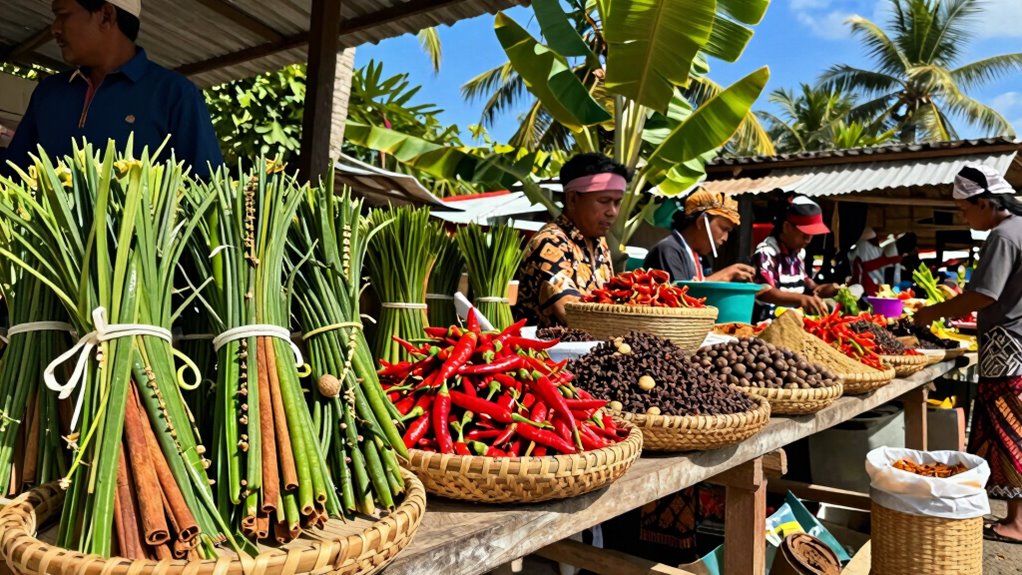
The Spice Islands of Indonesia transformed global trade by fueling Europe’s obsession with rare spices like cloves, nutmeg, and mace. These islands connected distant civilizations, shaping economies and colonial histories that still impact the world today. European powers like Portugal and the Netherlands fought for control, leaving a lasting cultural legacy. Their influence can be seen in Indonesia’s rich traditions and ongoing importance in spice production. To understand how these islands changed history, explore the story beneath the surface.

Get kitchen staples and gadgets delivered free — and shop member deals
- Fast, free delivery on millions of items
- Access to Prime Big Deal Days deals on October 6–7
- Prime Video, Amazon Music and more included
Key Takeaways
- Indonesia’s spices fueled global trade, transforming economies and culinary traditions worldwide.
- The control of spice islands by colonial powers shaped international power dynamics and trade routes.
- Spices like cloves and nutmeg were highly valuable, prompting conflicts and monopolies, notably by the Dutch East India Company.
- Colonial influence blended indigenous cultures with foreign traditions, creating a unique cultural legacy in Indonesia.
- The enduring popularity of Indonesian spices continues to impact global cuisine and trade today.

Have you ever wondered why the Spice Islands hold such a legendary status in history? Their significance isn’t just about the exotic spices, but also because of their central role in shaping global trade and influence during the medieval period and beyond. During medieval trade, these islands became essential hubs for the exchange of valuable commodities like cloves, nutmeg, and mace. Traders from across Asia, the Middle East, and eventually Europe sought these spices for their culinary, medicinal, and preservative qualities. The islands’ location made them an indispensable link in the complex web of maritime routes connecting distant civilizations. As you explore this history, it becomes clear that controlling these islands meant controlling a lucrative trade network that supplied spices to Europe and other parts of the world, fueling economic growth and cultural exchanges. Moreover, the strategic location of the islands enhanced their importance as a maritime trade hub, further cementing their role in global commerce. The influence of colonial powers further transformed the Spice Islands’ legacy. European nations, especially the Portuguese and Dutch, saw these islands as indispensable to their imperial ambitions. They established colonies with the intent of dominating spice production and trade, which often meant ruthless competition and conflict. This colonial influence introduced new economic systems, altered indigenous ways of life, and reshaped the islands’ political landscape. You might notice how Dutch traders, for instance, created monopolies on spice production through the Dutch East India Company, exploiting local resources to maximize profits. These colonial powers also exported spices back home, fueling European demand and expanding global markets. Their presence left a lasting mark on the islands’ culture, governance, and even their demographics, blending indigenous traditions with foreign influences. The legacy of this period persists today. Indonesia, the modern successor of the Spice Islands, still produces some of the world’s most prized spices, and the history of medieval trade and colonial influence remains woven into its cultural fabric. You can see how centuries of foreign interest and local resilience shaped the islands’ identity, turning them into a symbol of international commerce and cultural exchange. The impact of colonial influence, in particular, continues to influence Indonesia’s economy and society. The stories of traders, explorers, and colonizers highlight the importance of these islands as a nexus of global history. Their legacy is a testament to how a small group of islands could change the course of world trade, politics, and culture, leaving an indelible mark that still echoes today. For example, colonial economic systems played a significant role in shaping the modern development of Indonesia’s economy and trade practices. Additionally, recent studies reveal how indigenous resilience helped preserve local traditions amid colonial disruptions, contributing to Indonesia’s cultural diversity today. Recognizing the global significance of these islands helps us appreciate their enduring legacy in international history.
As an affiliate, we earn on qualifying purchases.
Frequently Asked Questions
What Were the Long-Term Environmental Impacts of Spice Cultivation?
You might notice that spice cultivation can lead to long-term environmental impacts like biodiversity loss and disrupted ecosystems. When you practice sustainable farming, it helps preserve native species and reduce deforestation. Without these efforts, intensive spice farming can deplete soil nutrients and damage habitats. So, adopting sustainable methods is essential to protect the environment, maintain biodiversity, and ensure that spice cultivation remains eco-friendly for future generations.
How Did Spice Trade Influence Local Indigenous Cultures?
Imagine a vibrant tapestry being woven, with each spice trade thread altering your indigenous customs. You’d see cultural assimilation unfold as foreign influences blend with traditional practices, sometimes enriching, sometimes eroding them. The spice trade acts as a catalyst, transforming local identities and rituals, shaping a dynamic cultural landscape. Through this exchange, you experience how global commerce leaves an indelible mark on indigenous cultures, forever changing their historical fabric.
Were There Any Major Conflicts Over Spice Control Historically?
Yes, there were major conflicts over spice control historically. You see, colonial rivalries fueled spice control conflicts as European powers like Portugal, Spain, the Netherlands, and Britain fought to dominate key trade routes and sources. These clashes often led to wars, sieges, and negotiations over control of spice-producing regions. The fierce competition shaped global history, driven by the desire for economic power and influence through control of these valuable spices.
How Did Spices Affect Global Culinary Traditions Beyond Indonesia?
Did you know that spices like cinnamon and black pepper revolutionized global cuisine, influencing over 80% of traditional dishes worldwide? You experience flavor fusion daily, from Indian curries to European pastries. Spices sparked culinary crossover, blending tastes across borders. They transformed cooking traditions, making dishes more aromatic and complex. So, every time you enjoy a flavorful meal, remember that spices connect diverse cultures and history in every bite.
What Modern Industries Have Evolved From the Spice Trade?
You see, modern industries like the gourmet food market and natural health products evolved from the spice trade. As demand grew, sustainable farming practices became essential to safeguard resources and guarantee quality. The spice market’s evolution also led to the development of specialty stores, online spice shops, and artisanal brands, all emphasizing sustainability. These industries now focus on ethical sourcing, reflecting the rich history and ongoing influence of spices on global commerce.
As an affiliate, we earn on qualifying purchases.
Conclusion
As you explore Indonesia’s rich spice history, remember how these flavorful treasures shaped global trade and culture. Imagine a modern chef discovering rare cloves from the Spice Islands, inspiring new culinary creations that connect continents. Just like those ancient traders, your own curiosity can bring the world’s flavors to life. The legacy of Indonesia’s spices isn’t just about history; it’s about how you can continue to savor and share these timeless tastes today.
As an affiliate, we earn on qualifying purchases.
spice grinder for cloves and nutmeg
As an affiliate, we earn on qualifying purchases.
As an affiliate, we earn on qualifying purchases.
NFL season / tailgating Picks
team gear
As an affiliate, we earn on qualifying purchases.