
A sharp knife is essential for your safety because it minimizes slips and accidents while you’re preparing food. Dull blades require more force, increasing the chance of losing control and cutting yourself. Proper blade maintenance, like honing and sharpening, keeps your knives effective and safe to use. When your knives are sharp, you can work more efficiently and with confidence. If you want to learn some simple techniques to keep your knives safe and sharp, keep exploring.
Listen free for 30 days with Audible
Thousands of audiobooks and originals — cancel anytime.
As an affiliate, we earn on qualifying purchases.
Key Takeaways
- Sharp knives require less force, reducing the chance of slips and accidental cuts during use.
- Maintaining blade sharpness prevents food from slipping, ensuring safer and more controlled cuts.
- Dull blades can cause unpredictable movements, increasing injury risk for the user.
- Proper sharpening and honing extend blade lifespan, ensuring consistent safety and performance.
- Well-maintained, sharp blades promote safer handling and reduce fatigue during prolonged kitchen tasks.
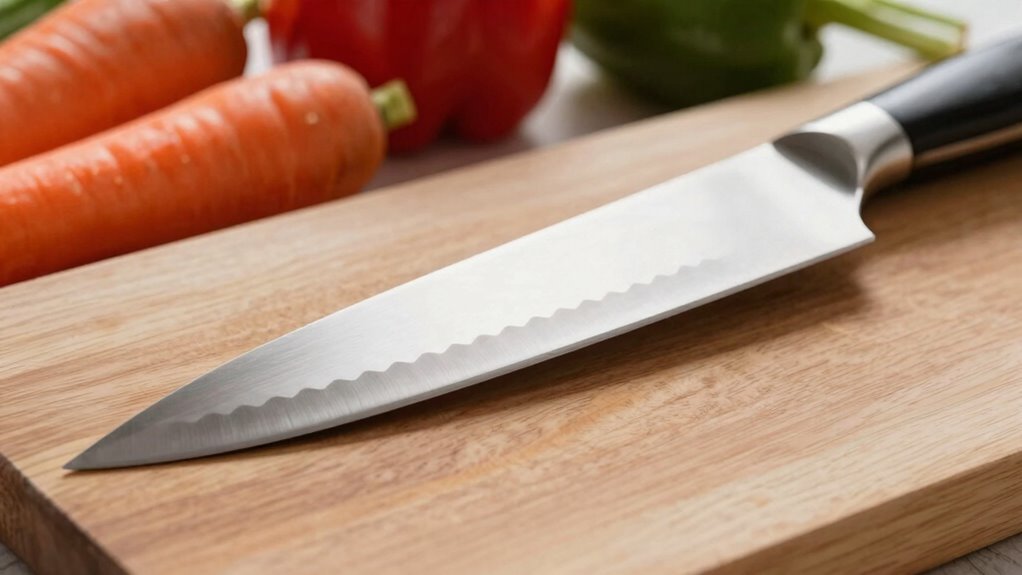
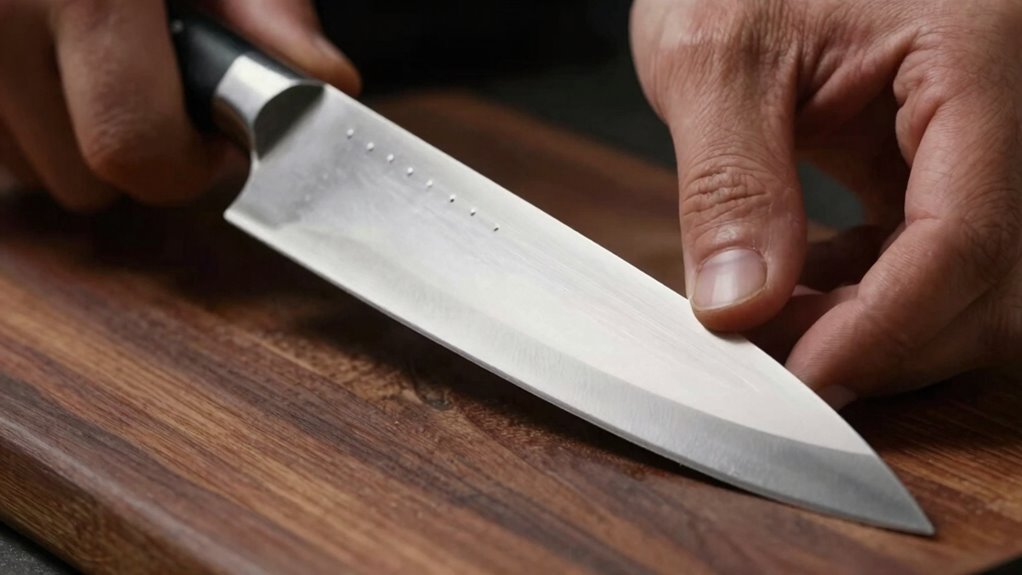
A sharp knife isn’t just about making precise cuts—it’s also about safety. When your knife’s blade is well-maintained, you reduce the risk of slips and accidents in the kitchen. Dull blades require more force to cut through food, which increases the likelihood of losing control. That’s why understanding proper blade maintenance and sharpening techniques is essential. Regularly honing your knife keeps the edge aligned, but over time, sharpening is necessary to restore its original sharpness. Without it, even the best technique falls short.
Maintaining your blade isn’t a one-time task; it’s a continuous process. You want to make sure your knife stays in prime condition, and that starts with proper blade maintenance. Using a honing steel regularly realigns the edge, keeping it sharp and ready for use. However, honing doesn’t remove material from the blade; it just straightens the edge. When the blade becomes noticeably dull, it’s time for sharpening. This involves carefully removing a tiny amount of metal to create a new, razor-sharp edge. There are several sharpening techniques—whetstones, electric sharpeners, or manual pull-through tools—each with its advantages. The key is selecting the right method for your knife type and skill level.
When you sharpen your knife, you should focus on the angle at which you hold the blade. Most kitchen knives require a 15-20 degree angle, which balances sharpness and durability. Consistency is vital—irregular angles can produce uneven edges, making your knife less safe and effective. Make sure to use a quality sharpening stone or device that matches your skill level. For example, a whetstone offers precision and control, but it requires practice. Electric sharpeners are quick and easy but might remove more metal than necessary if not used carefully. Whichever method you choose, always follow manufacturer instructions and maintain a steady, controlled motion for the best results. Additionally, understanding the importance of blade maintenance can significantly enhance your safety and efficiency in the kitchen. Proper cleaning and storage also play a crucial role in preserving your blade’s edge integrity over time. Developing good sharpening techniques can help extend the life of your knives and ensure safer, more effective cuts. Recognizing the proper care of your knives is essential for ensuring both safety and optimal performance.

Intelitopia Complete Knife Sharpening Stone Set – Dual Grit Whetstone 400/1000 3000/8000 Knife Sharpener with Leather Strop, Flattening Stone, Bamboo Base, 3 Non-slip Rubber Bases & Angle Guide
- Complete Knife Sharpening Kit: Includes all necessary sharpening tools
- Dual Grit Whetstone: 400/1000 and 3000/8000 grit options
- High-Quality Corundum Stone: Durable aluminum oxide abrasive
As an affiliate, we earn on qualifying purchases.
As an affiliate, we earn on qualifying purchases.
Frequently Asked Questions
How Often Should I Sharpen My Kitchen Knives?
You should sharpen your kitchen knives every 1-3 months, depending on usage. Regularly inspect your blades for dullness and use sharpening tools like a honing rod or a whetstone to maintain sharpness. Proper knife storage, like in a knife block or on a magnetic strip, prevents dulling. Consistent sharpening and safe storage keep your knives effective and safe, reducing the risk of slips or accidents during food prep.
Can a Dull Knife Cause More Accidents Than a Sharp One?
Yes, a dull blade can cause more accidents than a sharp one. When your knife’s dull, you need to apply more force, making slips and cuts more likely. It also increases safety hazards because it requires less control. A sharp knife ensures cleaner cuts with less effort, reducing the chance of accidents. So, keeping your knives sharp isn’t just about precision but also about maintaining a safer kitchen environment.
What Is the Safest Way to Sharpen a Knife?
The safest way to sharpen a knife is to use proper sharpening techniques with a honing rod or sharpening stone. Start by honing to realign the edge, then switch to sharpening techniques if needed to remove dullness. Always keep your fingers clear of the blade, use steady, controlled movements, and guarantee your tools are stable. Wearing cut-resistant gloves adds extra safety, making the process safer and more effective.
Does Knife Material Affect How Often It Needs Sharpening?
If you use a high-carbon steel knife, you’ll notice it stays sharp longer due to its material durability, but it also requires more careful maintenance. For example, a chef’s knife made of softer stainless steel may need sharpening more often, impacting blade longevity. Your choice of material directly affects how often you sharpen and how durable the blade remains over time. So, select your knives based on your use and maintenance preferences.
Are There Specific Signs That Indicate My Knife Needs Sharpening?
You’ll notice your knife needs sharpening when it struggles to cut smoothly or tears through food instead of slicing cleanly. Dull blades can compromise safety, so regular blade maintenance is essential. Look for signs like uneven cuts or increased force required. Use proper sharpening techniques to restore sharpness, ensuring your knife remains safe and efficient. Stay attentive to these signs, and sharpen your blade promptly to maintain peak performance.
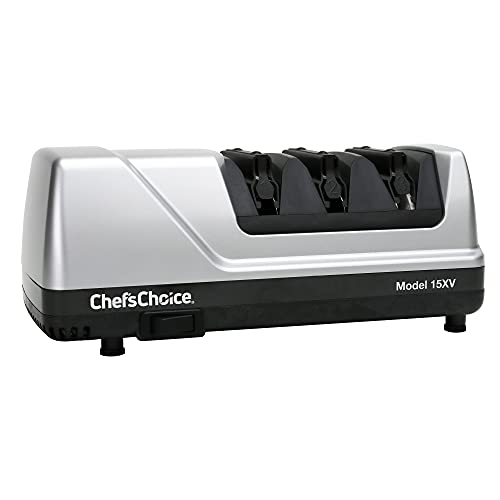
Chef’sChoice 15XV EdgeSelect Professional Electric Knife Sharpener with 100-Percent Diamond Abrasives and Precision Angle Guides for Straight Edge and Serrated Knives, 3-Stage, Gray
- Edge Conversion: Converts factory edges to Trizor XV
- Diamond Abrasives: 100% diamond abrasives for sharpening
- User-Friendly Design: Flexible guides and simple on/off switch
As an affiliate, we earn on qualifying purchases.
As an affiliate, we earn on qualifying purchases.
Conclusion
Remember, a sharp knife isn’t just about precision; it’s a safety essential. Dull blades cause more slips and accidents—statistics show that dull knives are responsible for over 70% of kitchen injuries. By keeping your knives sharp, you reduce the risk of slips and cuts, making your cooking safer and more efficient. So, don’t overlook sharpening—your safety depends on it, and your food prep becomes much more enjoyable.

Utopia Kitchen Knife Sharpener Rod 12 Inch Honing Rod for Sharpening
- Premium Steel Construction: Made of durable carbon steel with nickel-chrome plating
- Universal Compatibility: Suitable for all knife types including serrated and pocket knives
- Ergonomic Non-Slip Handle: Comfortable grip with slip-resistant rubber base
As an affiliate, we earn on qualifying purchases.
As an affiliate, we earn on qualifying purchases.
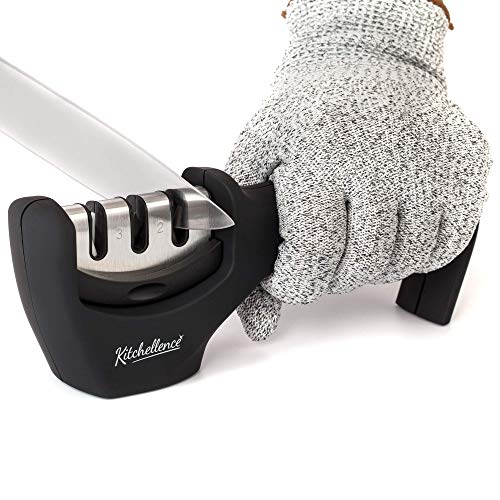
4-in-1 Kitchen Knife Accessories: 3-Stage Knife Sharpener Helps Repair, Restore, Polish Blades and Cut-Resistant Glove (Black)
- 3-Stage Knife Sharpener: Repairs, sharpens, and polishes blades
- Easy to Use: Ergonomic handle for quick sharpening
- Includes Cut-Resistant Glove: Enhanced safety during use
As an affiliate, we earn on qualifying purchases.
As an affiliate, we earn on qualifying purchases.
Summer Picks
summer essentials
As an affiliate, we earn on qualifying purchases.