Getting started with gluten-free cooking means swapping wheat-based ingredients for options like almond, coconut, or gluten-free oats. Use binders like xanthan gum to mimic gluten’s structure and experiment with different flours for the best texture and flavor. Stock your pantry with certified gluten-free staples, read labels carefully, and choose whole, minimally processed foods. With some practice and tips, you’ll create tasty, satisfying meals—continue exploring to become more confident in gluten-free cooking.

Get kitchen staples and gadgets delivered free — and shop member deals
- Fast, free delivery on millions of items
- Access to Prime Big Deal Days deals on October 6–7
- Prime Video, Amazon Music and more included
Key Takeaways
- Use gluten-free flours like almond, coconut, or rice flour, and experiment with blends for best results.
- Incorporate binders such as xanthan gum or guar gum to improve dough and batter structure.
- Read labels carefully to avoid hidden gluten and choose certified gluten-free products.
- Prepare simple, wholesome meals with fresh vegetables, lean proteins, and gluten-free grains for balanced nutrition.
- Stock your pantry with staples like gluten-free pasta, canned beans, and rice to simplify meal planning and cooking.

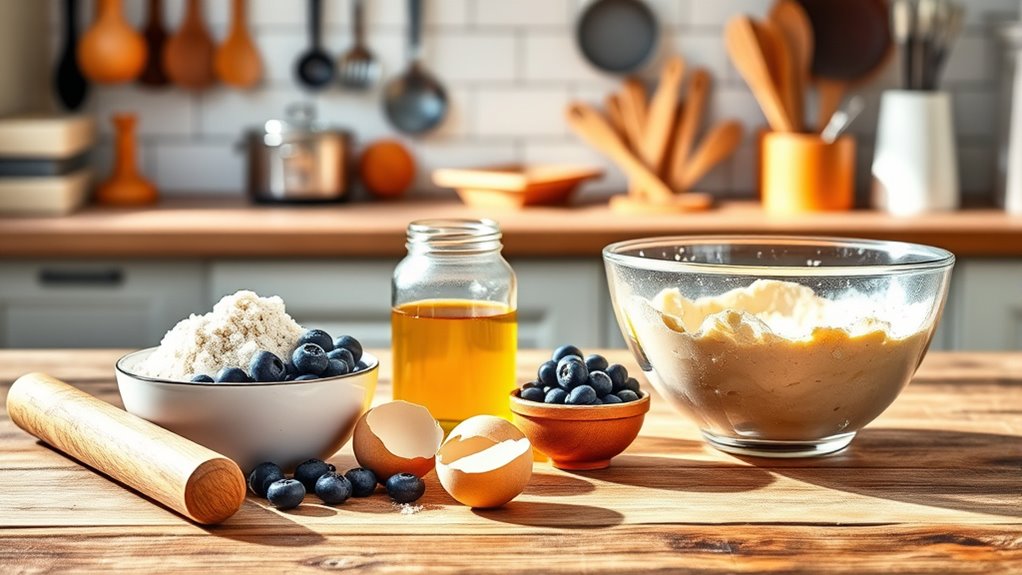
Have you ever wondered how to enjoy delicious meals without gluten? Starting a gluten-free lifestyle might seem intimidating at first, but with some basic knowledge, you can create tasty, satisfying dishes every day. One of the most popular aspects of gluten-free cooking is gluten free baking, which involves replacing traditional wheat-based ingredients with alternatives like almond flour, coconut flour, or gluten-free oats. These flours often have different textures and flavors, so you’ll want to experiment to find what works best for your recipes. For instance, gluten free bread or muffins can turn out wonderfully moist and fluffy when you choose the right combination of gluten-free flours and binders like xanthan gum or guar gum.
Incorporating gluten free snack ideas into your routine makes sticking to your diet easier and more enjoyable. Think of crunchy rice cakes topped with nut butter, fresh fruit, or hummus as quick, satisfying options. You could also prepare homemade trail mixes with nuts, seeds, and dried fruit, or bake small batches of gluten-free cookies or energy bites that are perfect for on-the-go munching. Having a variety of snacks ready helps you avoid reaching for processed or gluten-laden options when hunger strikes unexpectedly. Plus, many gluten-free snack ideas are simple to make and require minimal ingredients, making them ideal for busy days.
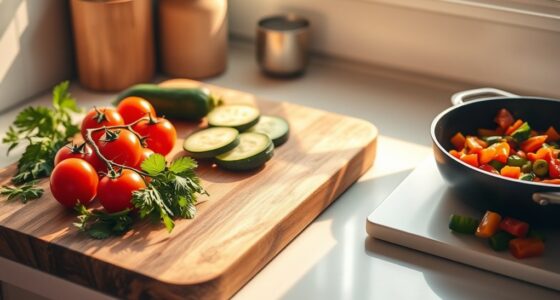
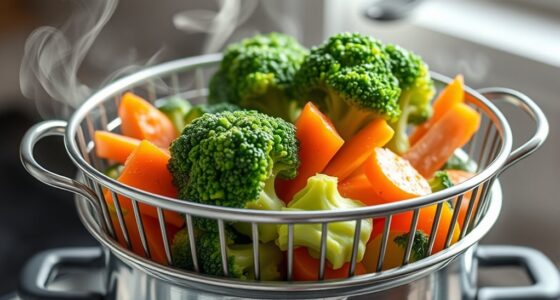
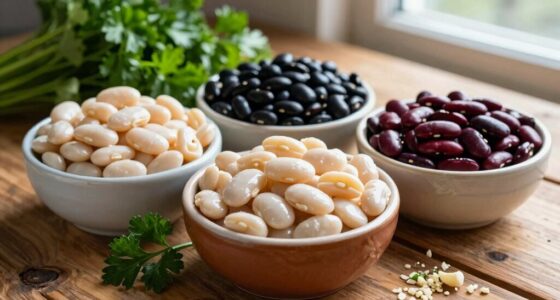
When you’re just starting out, it’s essential to stock your pantry with gluten-free staples. These include gluten-free flours, canned beans, rice, quinoa, and gluten-free pasta. You should also keep an eye out for certified gluten-free products to avoid cross-contamination. Learning how to read labels carefully guarantees you’re picking safe ingredients, especially since many processed foods contain hidden gluten. As you become more comfortable, you can explore recipes that incorporate fresh vegetables, lean proteins, and flavorful herbs to create well-rounded meals that are both nutritious and gluten-free.
Frequently Asked Questions
Can I Substitute Gluten-Free Flour in All Traditional Recipes?
Yes, you can substitute gluten-free flour in most traditional recipes, but you’ll need to do some recipe adaptation. Gluten-free substitutions work well, but they may affect texture and taste. Experimenting with different gluten-free flours and adjusting liquids helps guarantee success. Keep in mind, not all recipes are 1:1 perfect, so be patient and prepared to tweak your approach for the best results.
How Do I Prevent Cross-Contamination in Gluten-Free Cooking?
Preventing cross-contamination is like keeping a secret safe—careful handling is key. You should practice strict cross-contact prevention by washing your hands thoroughly, using separate utensils and cutting boards, and cleaning surfaces regularly. Maintain impeccable kitchen sanitation, especially after preparing gluten-free foods. Always store gluten-free ingredients separately from regular ones, and consider labeling containers. These steps help guarantee your gluten-free meals stay safe and uncontaminated.
Are There Any Hidden Sources of Gluten I Should Watch For?
Yes, watch out for hidden additives and cross contact risks that can introduce gluten into your meals. Processed foods often contain hidden gluten in flavorings, thickeners, or preservatives, so always check labels carefully. Even small cross contact risks during food prep, like shared utensils or surfaces, can cause issues. Stay vigilant by reading ingredient lists and maintaining separate equipment to keep your gluten-free diet safe and worry-free.
What’s the Best Way to Store Gluten-Free Ingredients?
You might think airtight containers keep gluten-free ingredients fresh, but studies show they also prevent cross-contamination, essential for your safety. Store flour, grains, and snacks in airtight containers in a cool, dry place, and refrigerate or freeze per manufacturer’s advice. Proper refrigeration tips include labeling your containers clearly and keeping gluten-free items separate from gluten-containing products, ensuring your ingredients stay fresh and uncontaminated for your next delicious meal.
Can Gluten-Free Baking Be as Versatile as Regular Baking?
Yes, gluten-free baking can be just as versatile as regular baking. You can explore exciting gluten-free flavor combinations and experiment with baking with alternative grains like rice, millet, or teff. By blending different flours and adjusting recipes, you’ll create a wide variety of baked goods that suit your taste. With some practice, you’ll master the art of gluten-free baking and enjoy endless creative possibilities in your kitchen.
Conclusion
Now that you’ve learned the basics of gluten-free cooking, you’re ready to explore new recipes and flavors. Remember, cooking gluten-free isn’t just about avoiding gluten—it’s about discovering delicious, wholesome foods that nourish your body. So, why not imagine your favorite baked goods or hearty meals coming to life in your kitchen? With a little practice, you’ll turn everyday ingredients into tasty creations that everyone will love. Are you ready to start your gluten-free journey?
NFL season / tailgating Picks
team gear
As an affiliate, we earn on qualifying purchases.