
TL;DR

Get kitchen staples and gadgets delivered free with Prime
- Fast, free delivery on millions of items
- Prime Video, Amazon Music and more included
- Member-only deals all year
A Good Housekeeping report lists eight breakfast choices recommended for their nutritional content: chia seeds, cottage cheese, Greek yogurt, whole grains, protein shakes, bananas, eggs and berries. It gives serving ideas and nutrient figures for several foods, but does not establish that one breakfast is best for everyone or that the foods produce specific health outcomes.
Good Housekeeping’s nutrition guide recommends eight foods as options for a nourishing breakfast, including eggs, oats, berries, Greek yogurt and whole grains. The report combines nutrient figures and serving suggestions with advice from registered dietitian Amy Fischer, but it does not rank the foods or identify a single breakfast suited to everyone.
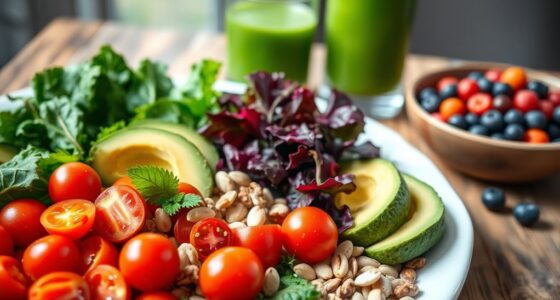
The foods featured are chia seeds, cottage cheese, Greek yogurt, whole grains, protein shakes, bananas, eggs and berries. The article suggests combining them in meals such as Greek yogurt with fruit and nuts, eggs with whole-grain toast and vegetables, or oats topped with banana and walnuts. These are presented as practical options rather than a prescribed meal plan.
The report gives several specific nutrition figures. It says a half-cup of low-fat cottage cheese contains 14 grams of protein, while a cup of Greek yogurt contains 24 grams. Two large eggs provide more than half the daily choline requirement, according to the article, and one egg contains about eight grams of protein. A cup of strawberries has three grams of fiber and supplies the daily vitamin C requirement, the report says.
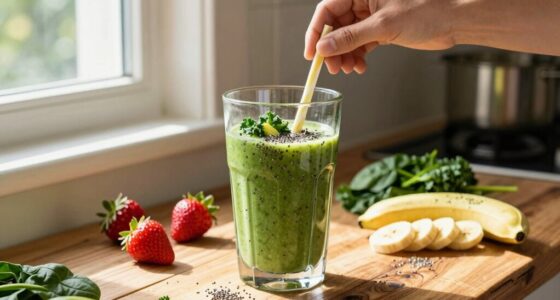
For chia pudding, the article’s suggested recipe uses ¼ cup chia seeds and 1 cup of milk, chilled overnight. Its protein-shake example combines protein powder with unsweetened nut milk, spinach, berries and cinnamon. Fischer advises choosing a powder that is a complete protein and has third-party verification, and says to avoid products with added sweeteners, fillers or stabilizers.
Building a More Filling Breakfast
The guide’s practical value is its focus on mix-and-match ingredients that can supply protein, fiber or other nutrients, rather than on a single “perfect” breakfast. Pairing foods—for example, fruit with yogurt or eggs with whole grains—can give readers flexible ways to assemble a meal around taste, routine and dietary needs.
It also points readers toward label checks. The report recommends plain Greek yogurt for people seeking to limit added sugars, 100% whole-grain or whole-wheat bread, and protein powders with third-party quality testing. Those details can help readers compare products, although the article does not provide a product-by-product evaluation or a personalized nutrition assessment.
Products Worth Considering

Ninja Artisan 5-in-1 Portable Electric Pizza Oven, Blue & Gold

Le Creuset Enamemed Cast Iron Oval Dutch Oven, 5 qt., White/Crucible

Le Creuset Signature Enameled Cast Iron Round Dutch Oven, 5.5 qt, Deep Teal
As an affiliate, we earn on qualifying purchases.
What the Food Guide Covers
The source is a Good Housekeeping article about dietitian-recommended breakfast foods. It offers food descriptions, nutrition figures and preparation ideas. Its examples range from ready-to-eat options such as bananas and berries to foods requiring preparation, such as overnight chia pudding and omelets.
The report describes chia seeds as a source of fiber and protein and notes that they are gluten-free and vegan. It says whole grains provide minerals and B vitamins, and recommends grains such as quinoa, farro, buckwheat and millet for breakfast bowls. The source also says some Greek yogurt brands contain probiotics, advising readers to check labels rather than assuming every product does.
Fischer is the only named nutrition expert quoted in the supplied material. Her comments concern protein shakes and ingredient selection. The source material does not identify a publication date, provide links to the research behind each health statement, or describe a formal review of the evidence.
“Protein shakes are a great way to get in veggies with breakfast.”
— Amy Fischer, M.S., R.D., C.D.N., as quoted by Good Housekeeping
Limits of the Nutrition Advice
The article presents nutrient amounts and health-related statements, but the supplied source does not name the studies supporting claims about outcomes such as inflammation, mood, cholesterol or circulation. Those statements should be understood as claims made in the report, not as proof that eating a particular food will produce a specific result for an individual.
It is also unclear when the article was published from the provided material. Nutrition needs and suitable foods vary by person, and the guide does not address medical conditions, allergies, portion needs or individual dietary advice. Product nutrition can vary by brand and serving size; readers should check current labels.
How Readers Can Apply the Guide
The source provides no announced follow-up, study or policy change. Readers can use its suggestions as meal ideas, compare nutrition labels and choose foods that fit their preferences and needs. Anyone managing a health condition or a specific diet can seek advice from a qualified health professional rather than treating a general food list as individualized guidance.
For the recipes described, keep perishable ingredients such as milk, yogurt, eggs and prepared chia pudding refrigerated. Check packaged foods for allergens: common ones in these suggestions include milk, eggs, tree nuts and peanuts, depending on the product and toppings. Protein powders and granola can contain additional allergens, so review their labels.
Key Questions
Which breakfast foods does the report recommend?
It lists chia seeds, cottage cheese, Greek yogurt, whole grains, protein shakes, bananas, eggs and berries. It does not rank them or name one as best for everyone.
What protein amounts does the article give?
The report says a half-cup of low-fat cottage cheese contains 14 grams of protein, a cup of Greek yogurt contains 24 grams, and one egg has about eight grams. Values can vary by product and serving.
What does the report advise when buying protein powder?
Amy Fischer recommends a complete protein with third-party verification. She also advises avoiding added sweeteners, fillers and stabilizers and checking the product label.
Does the article say one breakfast is right for everyone?
No. It offers food choices and serving ideas, but does not provide a universal meal plan or personalized dietary advice.
Source: rss