
TL;DR

Get kitchen staples and gadgets delivered free with Prime
- Fast, free delivery on millions of items
- Prime Video, Amazon Music and more included
- Member-only deals all year
A sponsored Food Dive report from Ardagh Glass Packaging-North America makes the case for glass jars as packaging for pasta sauces and salsas, citing product-protection qualities and consumer survey results. The report also describes the company’s U.S. manufacturing network and says eight of its nine U.S. facilities are FSSC 22000 certified, with certification planned for the remaining facility by the end of 2026.
Ardagh Glass Packaging-North America is promoting glass jars for pasta sauces and salsas, arguing that the material can help preserve food quality and appeal to consumers. A sponsored Food Dive report also highlights the company’s U.S. production network and says eight of its nine U.S. facilities hold FSSC 22000 certification, with certification at the remaining facility expected by the end of 2026.
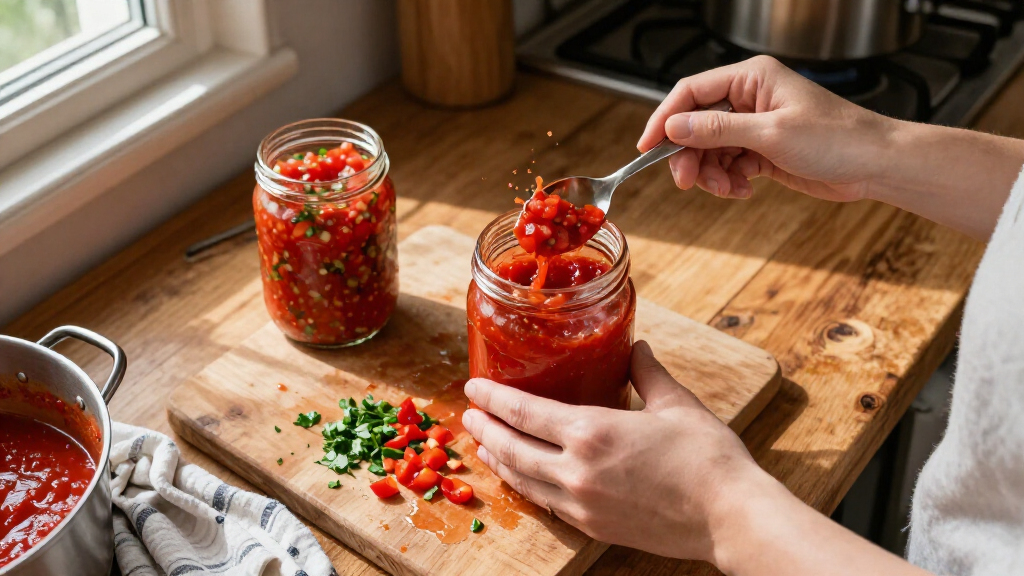
The report says glass is airtight and impermeable and does not interact with food, characteristics it says can help maintain a sauce’s flavor and aroma during distribution and storage. It presents glass jars as a packaging option for products ranging from marinara and vodka sauce to salsa, while emphasizing the visibility of the food through the container. The material’s ability to be recycled repeatedly without loss of quality or purity is another selling point cited by the report.
Ardagh also references findings from the EcoFocus 2026 survey. According to the report, more than half of respondents said they had changed what they buy to avoid packaging that might introduce unwanted chemicals, while 59% said glass was the only food and beverage packaging in which they did not worry about chemicals. The report gives no survey sample size or field dates, and these figures are attributed to the survey rather than independently verified here.
The company says it operates nine U.S. facilities and that eight have FSSC 22000 certification, a food-safety management system certification backed by the Global Food Safety Initiative. Ardagh expects its ninth facility to be certified by the end of 2026. The report also describes BuyOurBottles.com, a company sales channel offering glass containers by the pallet to craft food producers.
Why Sauce Brands Choose Glass
The report speaks to practical decisions facing food producers: packaging must protect the product, work through manufacturing and distribution, and attract shoppers. Glass can let buyers see a sauce’s color and texture before opening it, while its inert, sealed qualities are presented as useful for keeping food’s existing characteristics intact. For brands, those attributes may help shape how a product is perceived on store shelves.
Consumer attitudes matter to companies choosing packaging, but the survey figures should be read with the limits of the disclosed information in mind. The report provides percentages, yet does not include the study’s sample size, methodology or survey dates. The results offer an indication of reported preferences, not proof that switching to glass would increase sales or improve health outcomes.
Glass also has a recycling and supply dimension. The report says glass can be recycled without a loss of quality, while noting that dependable packaging supply is particularly relevant for seasonal products. Those considerations may be weighed alongside container cost, transport, breakage risk, production requirements and local recycling access. The sponsored report does not provide comparative data on those factors or compare glass with other packaging materials.
Products Worth Considering

KitchenAid KSMPRA 3-Piece Pasta Roller and Cutter Set

Instant Pot RIO Wide 7.5-Quart 7-in-1 Electric Pressure Cooker

Vitamix Ascent X2 SmartPrep Kitchen System, Black
As an affiliate, we earn on qualifying purchases.
Survey Findings and Company Plans
The source is a sponsored Food Dive report that promotes glass packaging and Ardagh’s services, rather than an independent comparative study of packaging options. Its claims about consumer preferences and the company’s capabilities should be understood in that commercial context. The EcoFocus 2026 figures are reported by Ardagh’s sponsored material; the source does not supply detailed survey documentation.
The report says glass containers are made using natural raw materials including recycled glass, limestone, soda ash, silica sand and dolomite. It also describes glass as one of the food-packaging materials traditionally considered Generally Recognized as Safe by the U.S. Food and Drug Administration. That statement concerns the material category; it does not establish the safety or compliance of every particular container or food product.
On operations, Ardagh identifies its Clearly Ardagh initiative as a program focused on manufacturing, inventory management and supply-chain performance. The report says those efforts are intended to support service and supply reliability. It does not provide performance measures, production volumes or evidence quantifying the initiative’s effects.
“59% of consumers say glass is the only food and beverage packaging where they don’t have to worry about chemicals.”
— Ardagh Glass Packaging-North America, citing EcoFocus 2026
Survey and Certification Details
The report does not disclose the EcoFocus survey’s sample size, field dates, question wording or methodology, so the representativeness of the consumer figures cannot be assessed from the material provided. It also does not present independent testing or comparative measurements showing how glass performs against alternative packaging for specific sauces and distribution conditions.
Ardagh’s certification status and stated target are company-reported. The report does not name the eight certified facilities or identify the ninth facility, and it gives no further timetable or milestones for that site. It remains unclear whether the company will meet its end-of-2026 target.
The material’s broad claims about product protection and recyclability do not address details such as the performance of individual closures, consumer handling, local recycling systems or the environmental impact of producing and transporting different container types. No comparative lifecycle or cost data is included.
Ardagh’s Remaining Facility
The clearest stated milestone is Ardagh’s plan to have its ninth U.S. facility FSSC 22000 certified by the end of 2026. The company has not provided facility-specific steps or interim dates in the report. Progress toward the goal, and whether the target is achieved, will require confirmation from the company.
For food brands considering glass, the report directs prospective customers to Ardagh for container options and supply details. Buyers would need to evaluate their own product, production requirements, costs, shipping and recycling access; the sponsored report does not supply a side-by-side comparison to guide those decisions.
Key Questions
What is the development in the report?
Ardagh Glass Packaging-North America published a sponsored report promoting glass containers for pasta sauces and salsas. It describes claimed product-protection and shelf-appeal benefits, survey findings and company operations.
What does the report say glass does for sauces?
It says glass is airtight, impermeable and non-interacting with food, which the company says can help preserve flavor and aroma. The report does not provide comparative performance data for particular products or packaging alternatives.
What do the consumer survey figures show?
As reported in the sponsored material, 59% of surveyed consumers said glass was the only food and beverage packaging where they did not worry about chemicals. Ardagh also cites 70% of Millennials saying they wish more products came in glass. The report does not provide the survey’s sample size or methodology.
How many Ardagh U.S. facilities are certified?
Ardagh says eight of its nine U.S. facilities are FSSC 22000 certified. The company expects the remaining facility to be certified by the end of 2026.
Does the report establish that glass is better for every product?
No. It presents Ardagh’s case for glass but does not compare cost, environmental impact, breakage, shipping, or performance across packaging types. Brands would need to assess those factors for their own products and supply chains.
Source: fooddive.com