
Adopting a plant-based diet can boost your health by increasing fiber, vitamins, and antioxidants while lowering your risk of chronic diseases like heart conditions and diabetes. It also benefits the environment by reducing greenhouse gases, conserving water, and protecting ecosystems. However, you need to plan carefully to avoid lacking essential nutrients like B12, iron, and omega-3s. If you want to learn how to enjoy these benefits without common pitfalls, keep exploring.
Listen free for 30 days with Audible
Thousands of audiobooks and originals — cancel anytime.
As an affiliate, we earn on qualifying purchases.
Key Takeaways
- A plant-based diet boosts nutrient intake, supporting immune health and reducing chronic disease risks.
- It lowers environmental impact by decreasing greenhouse gases, resource use, and habitat destruction.
- To avoid deficiencies, include fortified foods, supplements, and diverse plant sources for protein, B12, iron, and omega-3s.
- Social situations may require planning and communication to maintain dietary adherence and enjoy social meals.
- Focus on whole, minimally processed foods and mindful choices for optimal health and sustainability benefits.

Have you ever wondered how switching to a plant-based diet can positively impact your health and the environment? Embracing a plant-based lifestyle offers numerous benefits, especially when it comes to nutritional advantages and reducing your environmental impact. When you choose plant foods like vegetables, fruits, legumes, nuts, and grains, you naturally increase your intake of fiber, vitamins, minerals, and antioxidants. These nutrients support your immune system, improve digestion, and can lower your risk of chronic diseases such as heart disease, diabetes, and certain cancers. Unlike many processed foods, plant-based options tend to be lower in saturated fats and cholesterol, helping you maintain healthier blood pressure and cholesterol levels. By making these dietary choices, you’re fueling your body with nutrient-dense foods that promote long-term health and vitality.
Switching to plant foods boosts your health with fiber, vitamins, and antioxidants while lowering chronic disease risks.
On the environmental front, adopting a plant-based diet substantially reduces your carbon footprint. Animal agriculture is a major contributor to greenhouse gas emissions, deforestation, and water consumption. Livestock farming requires vast amounts of land, water, and energy, often leading to habitat destruction and loss of biodiversity. When you shift toward plant-based eating, you’re decreasing demand for these resource-intensive products, which in turn lessens environmental degradation. This reduction helps combat climate change, conserve precious ecosystems, and promote sustainable food systems. Every meatless meal you choose has the potential to contribute to a healthier planet, making your dietary decision a powerful act of environmental stewardship.
However, while the benefits are compelling, it’s essential to be mindful of common pitfalls. Transitioning to a plant-based diet doesn’t mean you should neglect nutritional balance. Some people struggle to get enough protein, vitamin B12, iron, or omega-3 fatty acids, which are abundant in animal products. To avoid deficiencies, you need to plan meals thoughtfully, incorporating fortified foods, supplements, or plant-based sources like beans, lentils, seeds, and leafy greens. Additionally, read labels carefully to prevent hidden additives or excess sugars often found in processed vegetarian foods. Over-reliance on highly processed plant foods can undermine your health goals, so focus on whole, minimally processed options whenever possible. Incorporating AI-driven nutritional guidance can help optimize your meal planning and ensure nutritional adequacy.
Another pitfall is social or cultural adaptation. Changing your diet can be challenging in social settings or when dining out, but planning ahead and communicating your needs can make these situations easier. Remember, a balanced plant-based diet isn’t about perfection but making consistent, informed choices that align with your health and environmental values. With awareness and effort, you can enjoy the nutritional advantages and contribute to reducing your environmental impact, all while supporting a healthier, more sustainable future.

Orgain Organic Vegan 21g Protein Powder, Vanilla Bean, 2.03 lb
- Plant-Based Protein Content: 21g organic plant protein per serving
- Low Sugar and High Fiber: 1g sugar, 6g prebiotic fiber
- Clean, All-Natural Ingredients: Peas, brown rice, chia seeds
As an affiliate, we earn on qualifying purchases.
As an affiliate, we earn on qualifying purchases.
Frequently Asked Questions
Can a Plant-Based Diet Provide Enough Protein?
Yes, a plant-based diet can provide enough protein if you include diverse plant-based protein sources like beans, lentils, tofu, and quinoa. These foods offer strong amino acid profiles, ensuring you get all essential amino acids your body needs. By combining different sources throughout the day, you’ll meet your protein requirements comfortably, supporting your health and energy levels without relying on animal products.
How Do I Ensure Adequate Vitamin B12 Intake?
To guarantee you get enough vitamin B12 on a plant-based diet, you should include fortified foods like plant milks and cereals daily. Additionally, consider taking a B12 supplement, which is a reliable and convenient option. Regularly check your levels with your healthcare provider, as B12 is essential for nerve health and energy. Combining fortified foods with supplements helps you maintain ideal B12 intake effortlessly.
Is a Plant-Based Diet Suitable for Children?
A plant-based diet can be suitable for children if you carefully plan for proper child growth. You should include a variety of nutrient-rich foods and consider supplements for nutrients like vitamin B12. Family meal planning is key; incorporate diverse fruits, vegetables, grains, and legumes to meet their needs. Consult a pediatric nutritionist to make certain your child gets all essential nutrients and supports healthy development.
What Are the Common Mistakes Beginners Make?
You often make mistakes like neglecting proper meal planning, which can lead to nutrient gaps. According to a study, 65% of beginners struggle with balanced diets early on. Focus on ingredient sourcing to make certain you get diverse, quality foods. Rushing into a plant-based diet without planning can cause deficiencies or boredom. Take time to learn recipes, stock your pantry wisely, and stay informed for a successful, sustainable change.
How Can I Prevent Nutrient Deficiencies?
To prevent nutrient deficiencies on a plant-based diet, focus on smart meal planning by including a variety of nutrient-rich foods like leafy greens, beans, and whole grains. Consider supplement strategies such as vitamin B12, iron, and omega-3s to fill potential gaps. Regularly track your intake, and consult a healthcare professional or dietitian to guarantee you’re meeting all your nutritional needs effectively.

Nature's Bounty Vitamin B12 1000 mcg Supplements, Supports Energy Metabolism, 200 Ct
- Supports Cellular Energy: Aids in converting food into energy
- Cardiovascular Support: Promotes heart and circulatory health
- Maintains Healthy Nerves: Supports nerve cell health
As an affiliate, we earn on qualifying purchases.
As an affiliate, we earn on qualifying purchases.
Conclusion
Embracing a plant-based diet can transform your health and deepen your connection with nature, but remember, every journey has its shadows. By steering clear of pitfalls wisely and savoring the vibrant flavors, you unlock a world of vitality. Think of it as planting seeds—nurture them with knowledge and care, and watch your well-being flourish like a garden in full bloom. Your path to wellness is yours to cultivate; choose wisely, and thrive.

NATURELO Vegan Iron Supplement with Vitamin C & Organic Whole Foods, 90 Ct
- Gentle Vegan Iron Formula: 25 mg Iron with Organic Vitamin C
- Organic Whole Food Blend: Includes Beet, Spinach, Kale, Swiss Chard, Pumpkin Seed
- Enhanced Absorption: Ferrous Bisglycinate Chelate with Vitamin C
As an affiliate, we earn on qualifying purchases.
As an affiliate, we earn on qualifying purchases.
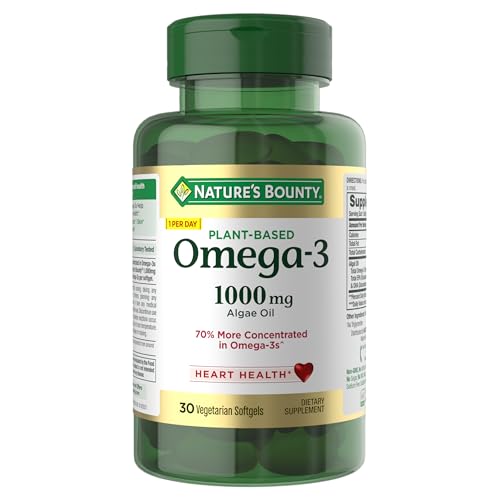
Nature's Bounty Omega 3, Plant-Based Omega 3 Fatty Acid Supplement, 30 Ct
- Concentrated Omega-3 Softgels: 520mg omega-3 per softgel
- Easy Daily Supplement: One softgel per day
- Supports Heart and Whole-Body Health: Promotes cardiovascular and overall wellness
As an affiliate, we earn on qualifying purchases.
As an affiliate, we earn on qualifying purchases.
Pool season Picks
robotic pool cleaners
As an affiliate, we earn on qualifying purchases.