
To fix soggy vegetables fast, start by drying them thoroughly with a paper towel to remove surface moisture. Spread them in a single, even layer on a large, rimmed baking sheet without overcrowding, allowing hot air to circulate. Use high oven temperatures and a light coat of oil to promote quick browning and crisping. Season generously with salt beforehand to draw out moisture. Keep these tips in mind, and you’ll master crispy roasted veggies every time—stay tuned to discover more helpful tricks.
Key Takeaways
- Pat vegetables dry thoroughly before roasting to remove surface moisture that causes sogginess.
- Spread vegetables in a single layer on a large, rimmed baking sheet for even heat exposure.
- Use high oven temperatures to promote browning and moisture evaporation.
- Avoid overcrowding the pan to ensure hot air circulates freely around each piece.
- Toss vegetables with a small amount of oil to help achieve crispness and reduce moisture retention.
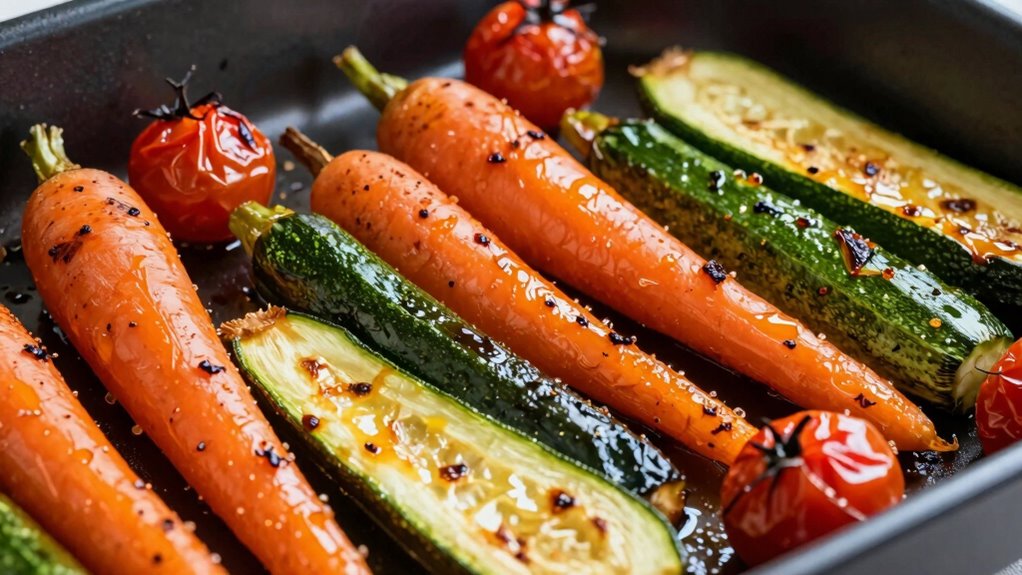
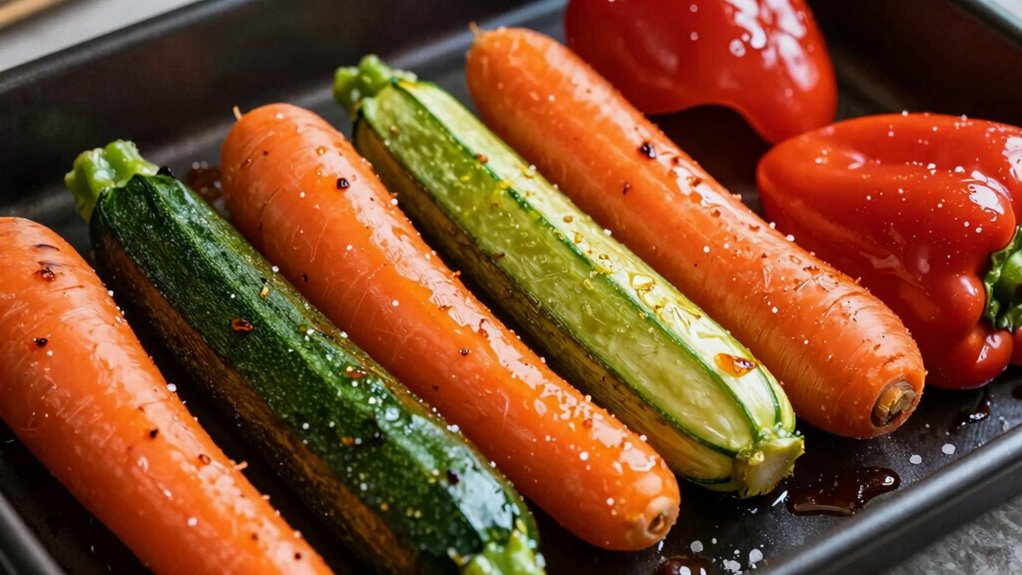
If your roasted vegetables often turn out soggy instead of perfectly crispy, there’s a simple rule that can transform your results. The key lies in understanding the significance of proper vegetable selection and applying effective seasoning techniques. First, choose vegetables with high water content carefully. Vegetables like zucchini, eggplant, and mushrooms tend to hold more moisture, which can lead to sogginess if not prepared correctly. On the other hand, starchy vegetables such as potatoes, carrots, and sweet potatoes are naturally drier and crisp up better when roasted. By selecting the right vegetables, you set yourself up for a crunchier, more appealing texture.
Once you’ve picked your vegetables wisely, the next essential step is managing moisture through seasoning techniques. Before roasting, make sure to pat your vegetables dry thoroughly. Excess moisture on the surface creates steam during cooking, which prevents the vegetables from crisping up. After drying, toss them with a small amount of oil—enough to coat each piece evenly—since oil helps draw out moisture and promotes browning. Avoid overloading the baking sheet; overcrowding traps steam, making vegetables soggy instead of crispy. Use a large, rimmed baking sheet and spread the vegetables in a single, even layer. This allows hot air to circulate freely around each piece, which is vital for achieving that desirable crispiness. Proper moisture management is key to ensuring your vegetables crisp up as intended.
Pat dry, coat with oil, and spread in a single layer for crispy roasted vegetables.
Additionally, seasoning techniques can be fine-tuned to enhance texture. Salt, for example, not only flavors your vegetables but also draws out moisture. Season them generously before roasting, but do so sparingly if you’re concerned about excess water. Tossing vegetables with herbs and spices beforehand can also add flavor without introducing moisture that could hinder crispness. If you’re using ingredients like balsamic vinegar or honey, apply these after roasting to avoid adding extra water content during the cooking process. Incorporating moisture control techniques is crucial for perfecting your roasted vegetables. Paying attention to oven temperature and timing also plays a significant role in achieving the desired crispiness, as higher temperatures encourage browning and moisture evaporation.
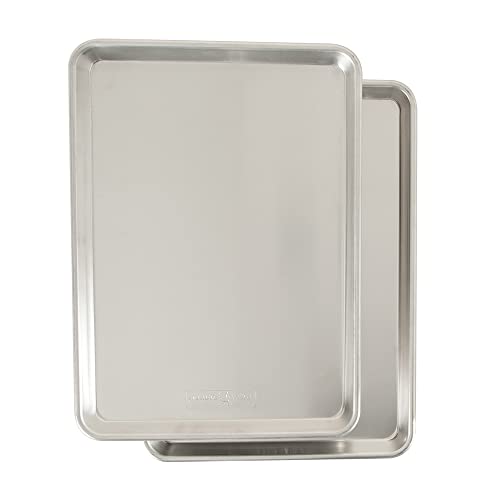
Nordic Ware Naturals Half Sheet – USA Made Aluminum Commercial Quality Sheet Pan for Baking or Roasting, Encapsulated Galvanized Steel Rim Prevents Warping, 2-Pack
- Material: Pure aluminum for even baking
- Durability: Rust-proof, long-lasting construction
- Design: Encapsulated galvanized steel rim
As an affiliate, we earn on qualifying purchases.
As an affiliate, we earn on qualifying purchases.
Frequently Asked Questions
Can This Roasting Rule Be Applied to All Types of Vegetables?
Yes, you can apply this roasting rule to most vegetables, but keep in mind that vegetable textures vary. For crispy results, cut vegetables uniformly and use high heat. Some vegetables, like zucchini or eggplant, naturally hold more moisture, so they may need slightly different techniques, such as pre-salting. Adjust cooking times based on the vegetable’s density, ensuring each type gets the best roasting technique for perfect texture.
How Long Does It Typically Take to See Results?
You’ll usually see results in about 10 to 15 minutes of roasting, depending on the vegetable’s freshness and thickness. Fresh vegetables tend to crisp up faster, so keep an eye on their cooking time. The key is to monitor their texture and color, ensuring they don’t become soggy. Adjust the cooking time as needed, and soon you’ll have perfectly roasted, crispy vegetables every time.
Does Using Oil Affect the Effectiveness of the Rule?
Using oil doesn’t diminish the oil impact on roasting, and in fact, it often enhances flavor. Studies show that tossing vegetables with a small amount of oil can improve texture and taste by up to 30%. The oil acts as a flavor enhancer and helps vegetables crisp up faster, preventing sogginess. So, don’t skip the oil—it’s your secret weapon for perfectly roasted, flavorful veggies every time.
Can I Use This Method for Frozen Vegetables?
Yes, you can use this roasting technique with frozen vegetables. Just spread them out in a single layer on a baking sheet and roast at a high temperature, like 425°F, to help evaporate excess moisture. Use proper roasting techniques by avoiding overcrowding, which traps steam and makes vegetables soggy. Keep an eye on them and stir halfway through for even crispness, ensuring delicious, crispy roasted frozen vegetables.
Are There Specific Oven Settings Recommended for Best Results?
Set your oven to 425°F for the best roasted vegetables. This temperature helps evaporate excess moisture quickly, preventing sogginess. Adjust the cooking duration based on the vegetable type, usually around 20-30 minutes, flipping or stirring halfway through. Keep an eye on them to avoid overcooking. Using these oven settings guarantees crispy, flavorful results every time, even with frozen vegetables.

Tifanso Heavy Duty Stainless Steel Roasting Pan with Rack & Handle for Oven
- Healthy, Non-Toxic Material: Made of high-quality stainless steel
- Even Heat Distribution: Heats quickly and distributes heat evenly
- Durable and Corrosion-Resistant: Withstands up to 450℉ without deformation
As an affiliate, we earn on qualifying purchases.
As an affiliate, we earn on qualifying purchases.
Conclusion
Think of the roasting rule as a secret key, revealing the transformation of soggy vegetables into crispy treasures. Just like turning over a new leaf, this simple step breathes new life into your dish, symbolizing renewal and mastery in the kitchen. So next time your veggies seem lost in moisture, remember: with a quick fix, you hold the power to turn soggy into spectacular—your culinary phoenix rising from the ashes.
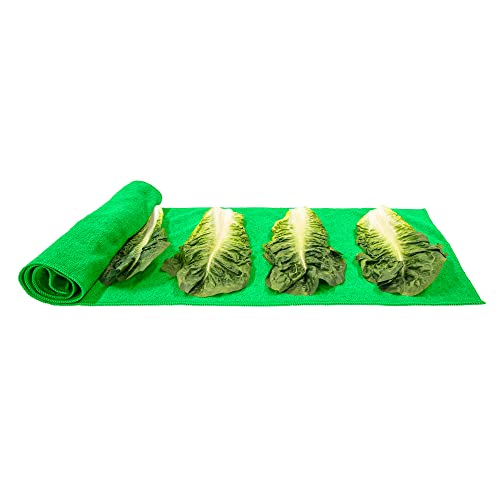
Eurow Microfiber Lettuce Wrap Towels, Ultra Absorbent Terry Weave Vegetable Drying Cloths, Reusable Kitchen Towels for Greens, Herbs, Produce, Space-Saving Alternative,12" x 42", Green, 2-Pack
- Ultra Absorbent Terry Weave: Quickly absorbs water from produce
- Space-Saving Design: Folds compactly for easy storage
- Reusable & Durable: Machine washable for long-term use
As an affiliate, we earn on qualifying purchases.
As an affiliate, we earn on qualifying purchases.
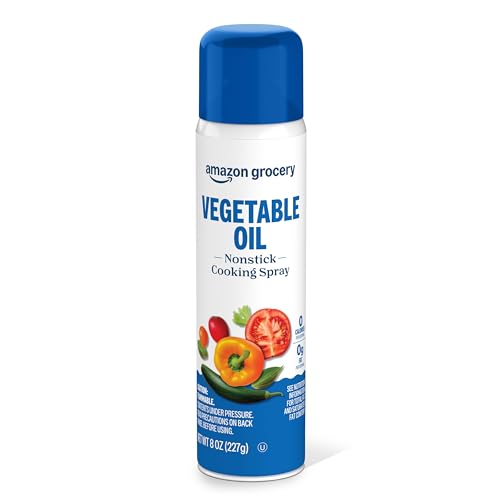
Amazon Fresh, Vegetable Oil Nonstick Cooking Spray, 8 Oz (Previously Happy Belly, Packaging May Vary)
- Size: 8 oz aerosol can
- Brand: Amazon Fresh (formerly Happy Belly)
- Kosher Certified: Yes
As an affiliate, we earn on qualifying purchases.
As an affiliate, we earn on qualifying purchases.