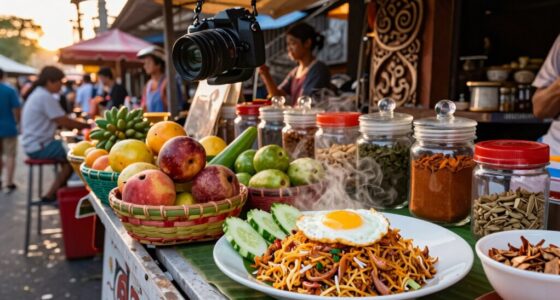

To spice up your menu, try Indonesian soups like Soto and Rawon. Soto offers a flavorful, clear broth with turmeric, lemongrass, and lime leaves, while Rawon features a rich, dark beef soup made from kluwek nuts. These dishes showcase Indonesia’s diverse regional ingredients and culinary traditions. Incorporating them into your rotation adds both comfort and authenticity. If you want to explore more about these vibrant flavors and techniques, there’s plenty more to discover.

Get kitchen staples and gadgets delivered free with Prime
- Fast, free delivery on millions of items
- Prime Video, Amazon Music and more included
- Member-only deals all year
Key Takeaways
- Indonesian soups like Soto and Rawon showcase diverse regional flavors and ingredients worth exploring regularly.
- Soto ayam offers a light, flavorful broth with turmeric, lemongrass, and herbs, perfect for daily meals.
- Rawon’s rich, earthy flavor from kluwek nuts makes it a hearty and unique addition to your soup rotation.
- Incorporating regional ingredients enhances authenticity and introduces new taste experiences.
- Traditional Indonesian soups embody cultural heritage, making them meaningful, nourishing options for your culinary repertoire.

Indonesia offers a rich variety of soups that reflect its diverse culinary heritage. When you explore traditional cooking in Indonesia, you quickly realize how regional ingredients shape each dish. Each province brings its unique flavors and techniques to the table, creating soups that are both comforting and lively. These soups aren’t just about nourishment—they’re a reflection of local history, culture, and the land itself. If you’re looking to expand your culinary repertoire, adding Indonesian soups to your rotation is a must.
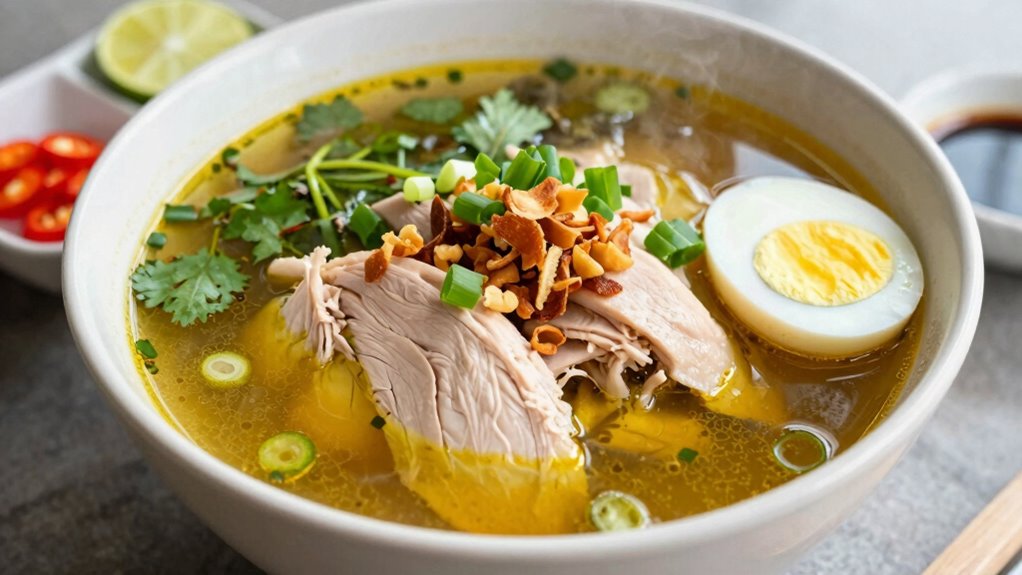
Start with soto, a beloved traditional soup that varies widely across regions. In Java, you might enjoy soto ayam, a chicken soup infused with turmeric, lemongrass, and lime leaves. The use of regional ingredients like kaffir lime leaves, galangal, and rice noodles gives it a distinct aroma and flavor profile. The broth is clear yet flavorful, often topped with shredded chicken, boiled eggs, and fresh herbs. Each spoonful offers a taste of Java’s culinary ingenuity, making it a perfect choice for a comforting meal. You’ll find that preparing soto allows you to experiment with ingredients common in Indonesian markets, giving you a deeper appreciation for traditional cooking methods.
Soto ayam: Java’s comforting chicken soup with turmeric, lemongrass, lime leaves, and fresh herbs.
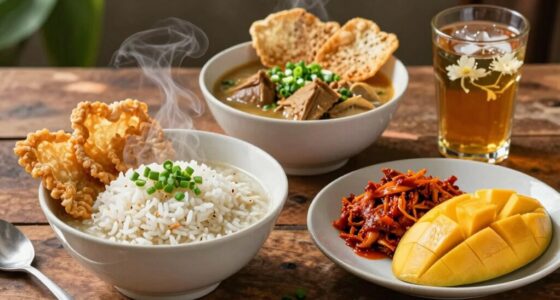
Another standout is rawon, a dark, savory beef soup from East Java. Its signature black color comes from kluwek, a regional ingredient made from black keluak nuts. The nuts lend a deep, earthy flavor that complements the tender beef and aromatic spices like shallots, garlic, and lemongrass. Rawon is often served with rice, bean sprouts, and a dollop of sambal for heat. By learning to make rawon, you get to explore how local ingredients can transform a simple broth into a complex, hearty dish. It’s a perfect example of regional ingredients elevating traditional cooking, giving you a taste of East Java’s culinary identity. Exploring regional ingredients like kluwek can enhance your understanding of Indonesia’s diverse flavors. Incorporating regional ingredients into your cooking can deepen your appreciation for Indonesia’s culinary diversity. Additionally, experimenting with these ingredients can introduce you to the unique flavor profiles that define Indonesian cuisine.
As an affiliate, we earn on qualifying purchases.
Frequently Asked Questions
What Are the Regional Variations of Indonesian Soups?
You’ll notice regional variations in Indonesian soups, each with unique flavor profiles and ingredient diversity. In Sumatra, you get spicy, turmeric-infused flavors in Soto Padang, while Bali’s Sop Babi features rich, savory pork broth. Java offers hearty, sweet soy-based soups like Sayur Asem, and Sulawesi’s soups incorporate local seafood and bold spices. These regional differences make Indonesian soups a vibrant, diverse culinary experience worth exploring.
Are Indonesian Soups Suitable for Vegetarians?
Yes, many Indonesian soups are suitable for vegetarians. You can use vegetarian substitutions like tofu, tempeh, or vegetables to replace meat or seafood. Keep in mind, some soups feature spicy flavor profiles, so adjust the chili levels to match your heat preference. By customizing ingredients and spice levels, you’ll enjoy authentic Indonesian flavors while maintaining a vegetarian-friendly meal.
How Long Do Indonesian Soup Ingredients Typically Take to Prepare?
You’ll usually spend about 30 to 45 minutes preparing Indonesian soup ingredients, depending on the complexity of the dish. During this time, you’ll focus on spice blending to bring out authentic flavors and ingredient sourcing to guarantee freshness. Chopping vegetables, preparing broth, and blending spices are key steps. Good planning helps streamline the process, so you can enjoy the rich, vibrant flavors of Indonesian soups without spending too long in the kitchen.
Can These Soups Be Made Gluten-Free?
Absolutely, you can adapt Indonesian soups to be gluten-free. By making gluten-free adaptations like swapping soy sauce for tamari or coconut aminos, and choosing gluten-free noodles or vegetables instead of wheat-based options, you can enjoy these flavorful soups safely. Vegetarian substitutions further simplify gluten-free options—using tofu, tempeh, or vegetables—ensuring everyone can savor the satisfying, spicy, and savory sensations without gluten worries.
What Are Traditional Accompaniments for Indonesian Soups?
You’ll find that traditional accompaniments for Indonesian soups often include rice or rice cakes, which balance the spicy flavors. You might also enjoy fresh herbs like cilantro or lime on the side. Use serving utensils to dish out the soup and spice blends like turmeric or galangal to enhance flavor. These accompaniments and proper utensils make your meal authentic and enjoyable, highlighting the rich, aromatic qualities of Indonesian cuisine.
As an affiliate, we earn on qualifying purchases.
Conclusion
So, why not let these Indonesian soups become your culinary compass? Each bowl offers a journey—rich, comforting, and bursting with tradition. They’re more than just meals; they’re stories simmered to perfection, waiting to be discovered. Embrace the flavors that beckon you to explore Indonesia’s vibrant food heritage. After all, in the symphony of taste, these soups are the notes that truly resonate—calling you to savor, share, and cherish every spoonful.
Turmeric lemongrass soup ingredients
As an affiliate, we earn on qualifying purchases.
As an affiliate, we earn on qualifying purchases.
As an affiliate, we earn on qualifying purchases.
NFL season / tailgating Picks
team gear
As an affiliate, we earn on qualifying purchases.