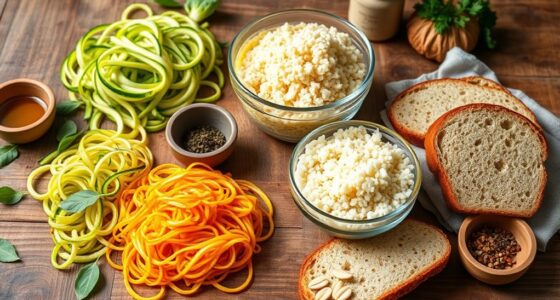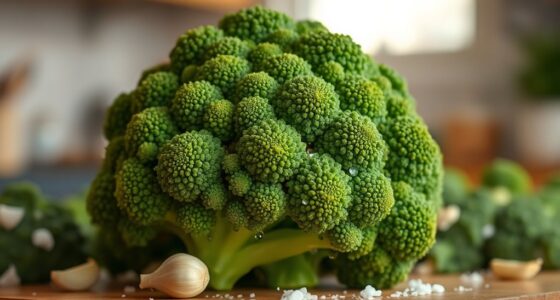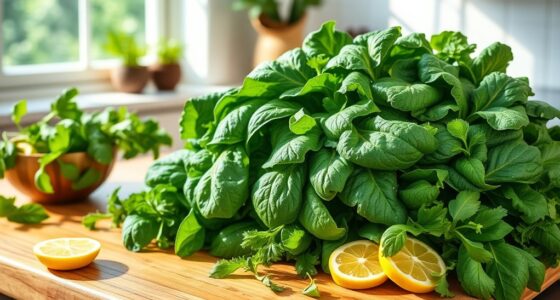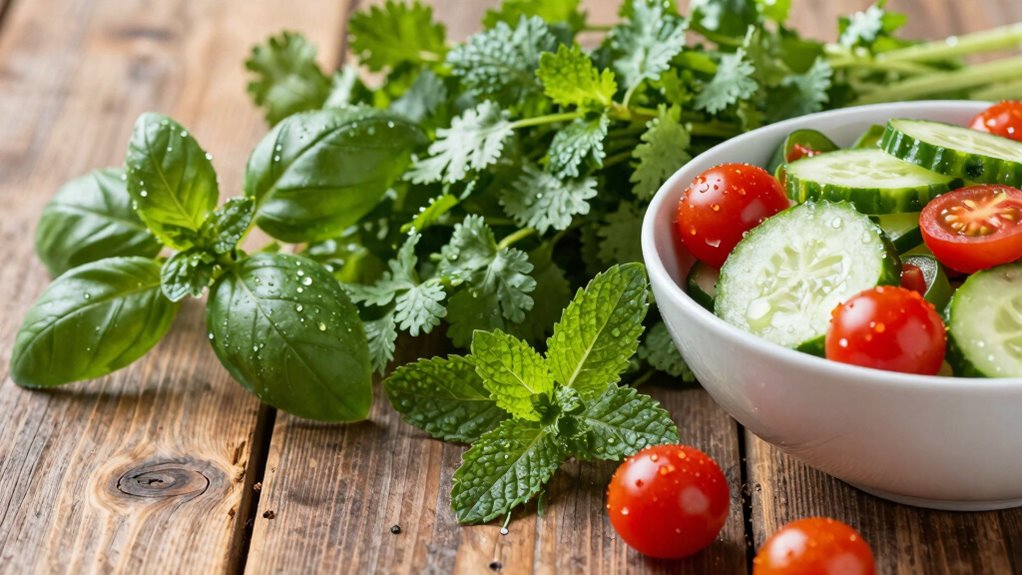

To add more plants to your meals, try incorporating herbs like basil or cilantro for flavor and nutrition. Mix vegetables such as spinach or bell peppers into your staples like eggs, sandwiches, or smoothies. Use plant-based proteins like chickpeas, tofu, or lentils as meat substitutes, seasoning them well. Spread hummus or avocado on your dishes for added healthy fats. Keep exploring these small swaps, and you’ll discover even more simple ways to boost your plant intake effortlessly.
Open a free Amazon Business account
Business pricing, bulk buying and tax-exempt orders.
As an affiliate, we earn on qualifying purchases.
Key Takeaways
- Incorporate plant-based proteins like chickpeas, lentils, or tofu into stir-fries and salads.
- Add fresh herbs such as basil, cilantro, or parsley to meals for flavor and nutrition.
- Blend leafy greens like spinach or kale into smoothies or mix into eggs and scrambled dishes.
- Use plant-based spreads, dips, and condiments like hummus and avocado for added flavor and plant matter.
- Grow herbs and vegetables at home to easily include fresh, home-grown produce in daily meals.
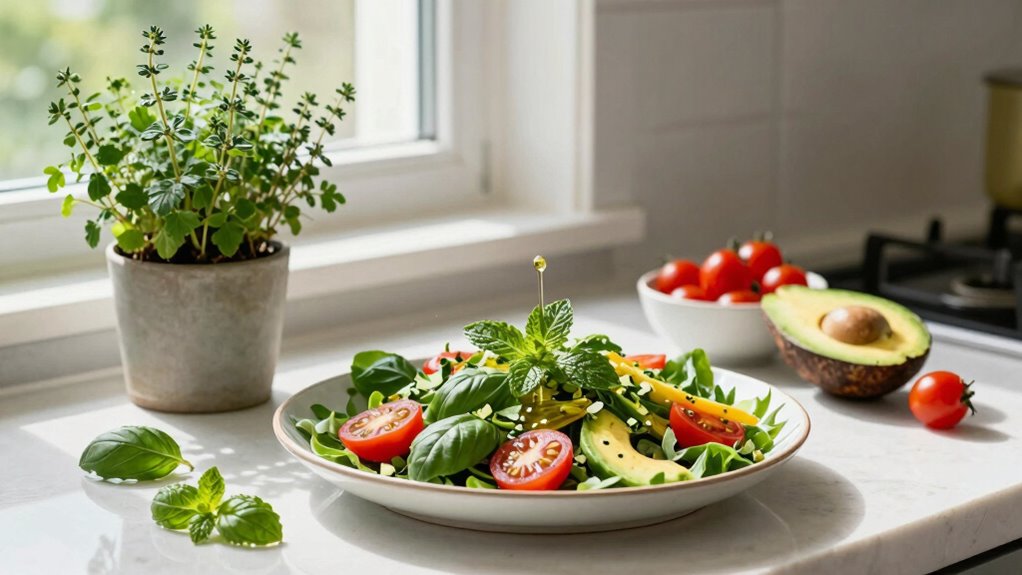
Are you looking for simple ways to boost your meals with more plants? Incorporating plant-based proteins into your diet can be a game-changer, adding both nutrition and flavor to your dishes. You don’t need to overhaul your entire menu—just a few strategic swaps can make a noticeable difference. For example, swap out traditional meat for chickpeas, lentils, or tofu in your stir-fries and salads. These options are not only rich in protein but also versatile, soaking up flavors beautifully. You can also experiment with textured vegetable protein (TVP) or tempeh, which can be seasoned and cooked just like meat, making them perfect for tacos, sandwiches, or pasta sauces.
Add plant-based proteins like chickpeas, lentils, or tofu to boost flavor and nutrition in your meals.
Herbal flavoring is another easy way to add more plants to your meals without complicating your cooking. Fresh herbs like basil, cilantro, parsley, and thyme can brighten up any dish, providing a fresh, aromatic boost. Keep a small herb garden or buy pre-cut herbs to sprinkle over your meals just before serving. Not only do fresh herbs enhance flavor naturally, but they also add a splash of color, making your meals more appealing. When you’re cooking grains or legumes, consider adding herbs during the simmering process—this infuses the dish with extra layers of flavor that make plant-based ingredients even more satisfying. Incorporating herbs not only elevates flavor but can also contribute to nutritional benefits in your diet. Adding a variety of herbs can also support biodiversity by encouraging the growth of different plant species in home gardens.
You can also incorporate more plants by adding vegetables to your everyday staples. Toss spinach or kale into your morning scramble, or add sliced bell peppers and cucumbers to sandwiches and wraps. Smoothies are another quick way to increase plant intake—blend fruits with leafy greens, like spinach or arugula, for a nutritious boost. Using herbs and vegetables in these ways not only enriches the flavor profile but also makes your meals more colorful and nutritious. Additionally, exploring home exercise equipment can motivate you to enjoy outdoor activities like gardening, which is a rewarding way to grow and incorporate fresh plants into your diet.
Don’t forget about using plant-based spreads, dips, and condiments that are infused with herbs—think hummus with garlic and parsley or avocado spreads flavored with cilantro and lime. These add both plant matter and herbal flavoring to your plate, making each bite more exciting. As you experiment, you’ll find that small changes like adding plant-based proteins and fresh herbs can transform everyday dishes into vibrant, nourishing meals. With a little creativity, you’ll discover that boosting your meals with more plants is straightforward, tasty, and incredibly satisfying.

PLANTMEW Indoor Herb Garden Starter Kit – Mothers Day Gifts – 4 Non GMO, Heirloom Culinary Herb Seeds, Unique Gardening Gift for Women, Mom, Her, Birthday, Housewarming, Plant Lovers
- Complete Indoor Herb Garden Kit: Includes pots, soil, markers, seeds, tools
- Non-GMO Heirloom Seeds: Cilantro, Basil, Chives, Parsley varieties
- Premium Quality Seeds: High germination, fresh from latest season
As an affiliate, we earn on qualifying purchases.
As an affiliate, we earn on qualifying purchases.
Frequently Asked Questions
Can I Add Plants to Processed or Packaged Foods?
Yes, you can add plant-based additives to processed or packaged foods to boost their nutritional value. Incorporate natural ingredients like ground flaxseed, chia seeds, or vegetable powders to enhance flavor and nutrients. These packaged food enhancements are simple ways to make your meals more plant-focused without sacrificing convenience. Just make sure to check ingredient labels and choose options with minimal additives to keep your meals healthy and wholesome.
Are There Any Plants That Spoil Quickly in Meals?
Did you know that fresh herbs like basil and cilantro spoil within just a week? Some quick spoil plants, such as fresh herbs, leafy greens, and cut vegetables, tend to decay rapidly if not stored properly. To improve fresh herb preservation, keep them in airtight containers or damp paper towels in the fridge. Always use them promptly to enjoy their flavor before they quickly spoil, reducing waste and maximizing freshness.
How Do I Store Fresh Herbs for Longer Use?
To store fresh herbs longer, focus on herb preservation by trimming the stems and placing them in a jar with water, like cut flowers. Cover loosely with a plastic bag and refrigerate, or wrap them in a damp paper towel and store in a resealable bag. For longer storage, consider freezing herbs in ice cube trays with water or olive oil. These fresh herb tips help keep herbs flavorful and fresh for days.
What Are the Best Plants for Beginner Cooks?
Think of your kitchen as a modern-day herbarium, and start with beginner-friendly plants like basil, mint, and parsley. These herbs are forgiving and versatile, perfect for kitchen gardening. Pair them with simple recipes for herbs and spices to build confidence. They’re easy to grow, require minimal care, and add fresh flavor. With a little patience, you’ll turn your kitchen into a blooming oasis, making cooking more enjoyable and flavorful.
Can Plant-Based Ingredients Replace All Meat in Recipes?
Yes, plant-based ingredients can replace all meat in recipes, especially with the rise of meat alternatives and plant-based substitutions. You can often swap tofu, tempeh, or seitan for meat in dishes like stir-fries, tacos, and stews. While some recipes might need slight adjustments for flavor or texture, experimenting with different plant-based options can give you delicious, satisfying meals without using any meat.

365 by Whole Foods Market, Organic Extra Firm Tofu, 14 oz
- Brand: 365 by Whole Foods Market
- Product Type: Organic Extra Firm Tofu
- Weight: 14 oz
As an affiliate, we earn on qualifying purchases.
As an affiliate, we earn on qualifying purchases.
Conclusion
Adding more plants to your meals is simple, satisfying, and rewarding. You can enhance flavor, boost nutrition, and brighten your plate with just a few easy tweaks. Incorporate colorful vegetables, fresh herbs, and hearty greens into every bite. Embrace variety, enjoy experimentation, and make plant-based eating a natural part of your daily routine. Remember, the more plants you add, the more vibrant, healthy, and delicious your meals become—so start small, stay consistent, and reap the benefits.
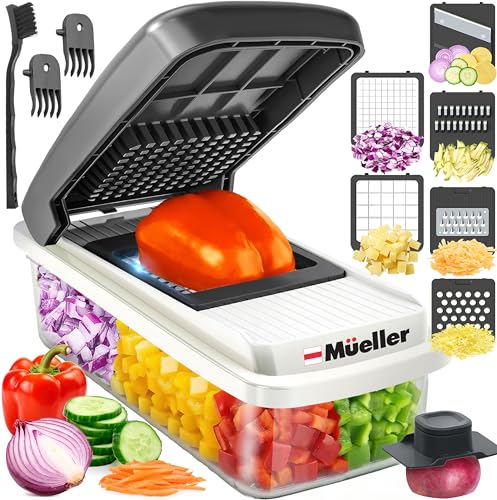
Mueller Vegetable Chopper Mandoline Slicer, Food Veggie Chopper
- Established Pro Chopper Since 2013: Trusted by restaurants for quality and durability
- Versatile Blades for Multiple Cuts: Includes slicing, julienne, and grating blades
- High-Quality Stainless Steel Blades: Ensures efficient and quick chopping
As an affiliate, we earn on qualifying purchases.
As an affiliate, we earn on qualifying purchases.

DOSEWART 2-Compartment Reusable Snack Containers with Lids Wheat Straw Reusable Snack Packs for Meal Prep Food Storage on-the-go Snacking(6Pack)
- Two-Compartment Design: Separate sections for portion control
- Leak-Proof Custom Lids: Secure seals prevent spills and leaks
- Durable Wheat Straw Material: Safe, long-lasting food storage containers
As an affiliate, we earn on qualifying purchases.
As an affiliate, we earn on qualifying purchases.
College move-in / dorm season Picks
dorm essentials
As an affiliate, we earn on qualifying purchases.