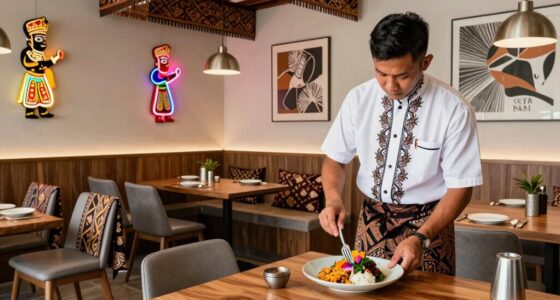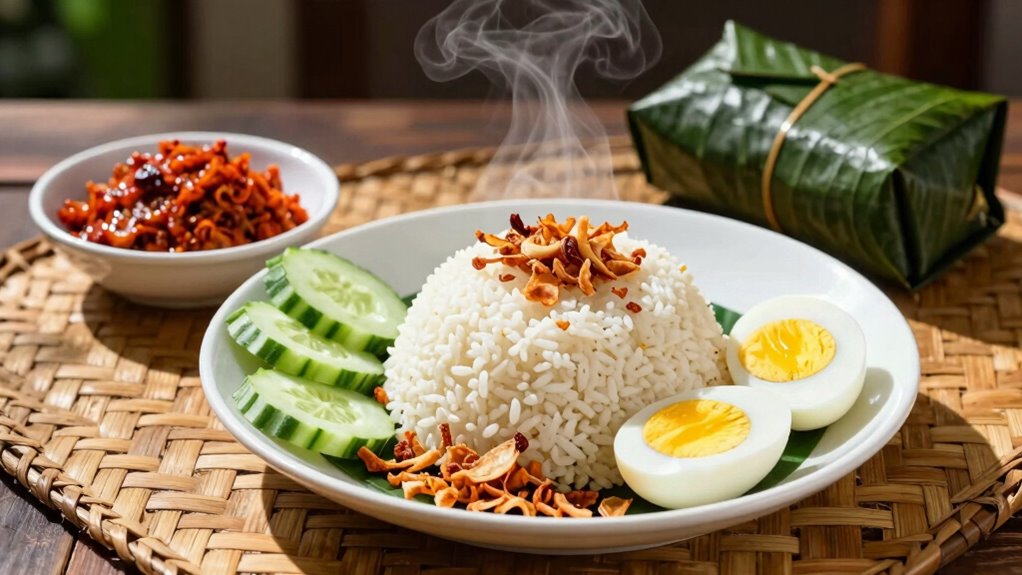

You should explore Indonesia’s breakfast traditions, which are rich in flavors and cultural stories. From the aromatic coconut rice of Java’s *nasi uduk* to Bali’s nourishing *bubur injin*, each dish reflects local ingredients and customs. These meals often involve sharing with family or community, showcasing respect and hospitality. By discovering these unique practices, you’ll gain a deeper appreciation for Indonesia’s diverse culinary heritage. Keep going, and you’ll uncover even more fascinating aspects of these traditions.

Get kitchen staples and gadgets delivered free — and shop member deals
- Fast, free delivery on millions of items
- Access to Prime Big Deal Days deals on October 6–7
- Prime Video, Amazon Music and more included
Key Takeaways
- Traditional beverages like Jamu offer unique health benefits and reflect Indonesia’s rich herbal healing customs.
- Regional breakfast dishes, such as Nasi uduk and Bubur injin, showcase Indonesia’s diverse culinary heritage.
- Breakfast customs emphasize community, respect, and unhurried sharing, strengthening social bonds.
- Using hands to eat certain traditional dishes exemplifies cultural manners and hospitality.
- Indonesia’s biodiversity influences breakfast ingredients, making each regional dish a celebration of local nature and flavors.
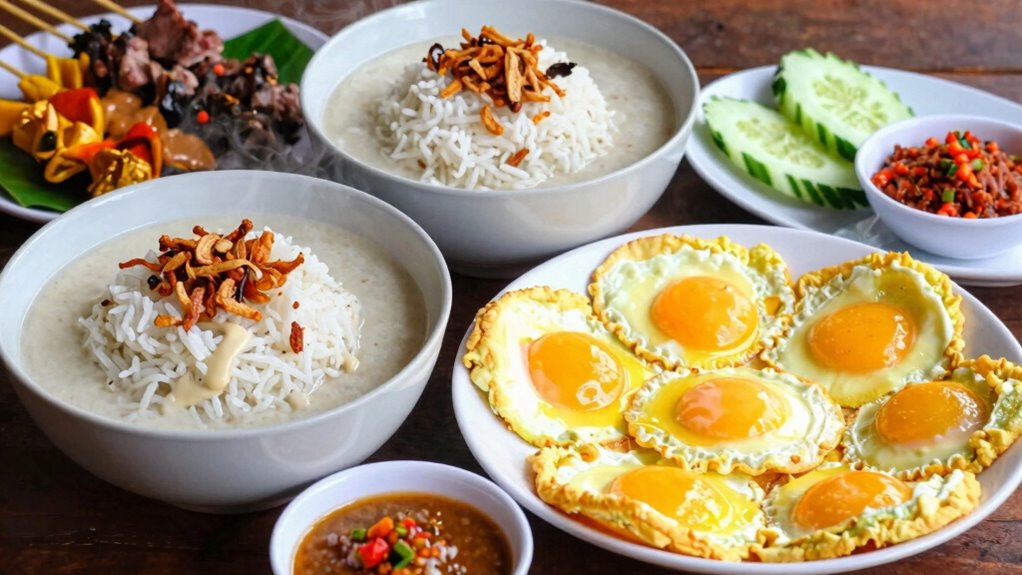
Indonesia’s breakfast traditions offer a vibrant glimpse into the country’s rich cultural diversity. When you start your day here, you’ll quickly learn that breakfast isn’t just about eating; it’s about embracing a set of customs that reflect local values and history. One of the most interesting aspects is the variety of traditional beverages you can enjoy. These drinks aren’t just thirst quenchers—they hold cultural significance and often have roots dating back centuries. For example, you might sip on *jamu*, a traditional herbal tonic believed to boost health and *vitality*. Or you might enjoy *teh manis*, a sweetened tea that’s a staple in many households. These beverages are more than drinks; they’re a reflection of local ingredients and healing traditions. When it comes to breakfast etiquette, Indonesians typically gather with family or friends, emphasizing community and shared experience. You’ll find that breakfast isn’t rushed; it’s a time to connect and show respect to elders and guests alike. It’s common to see elders serving the younger members first or inviting guests to help themselves, underscoring the importance of hospitality. Eating styles vary across regions, but a common thread is the appreciation for balance and harmony on the plate. For example, in Java, you might start your day with *nasi uduk*, fragrant rice cooked with coconut milk, served alongside spicy sambal, fried chicken, or boiled eggs. In Bali, *bubur injin*, black rice porridge, offers a hearty start, often enjoyed with fresh fruit or coconut toppings. Regardless of what you eat, it’s essential to follow local manners—using hands to eat certain dishes, being polite when accepting food, and showing gratitude after finishing your meal. These customs are ingrained in daily life and serve to strengthen bonds within communities. Additionally, understanding the diverse biodiversity of Indonesia can enrich your appreciation for the local ingredients used in these traditional dishes. Recognizing the culinary diversity of the archipelago highlights how regional ingredients influence breakfast choices. The way Indonesians approach breakfast demonstrates their respect for tradition, their love for sharing meals, and their appreciation for the diverse flavors that define the archipelago. So, next time you try an Indonesian breakfast, pay attention not just to the food but also to the subtle etiquette and cultural significance behind each sip and bite. Embracing these traditions will deepen your understanding of Indonesia’s unique cultural tapestry and make your morning meal all the more meaningful. With every traditional beverage and shared dish, you get a taste of Indonesia’s history, values, and warm hospitality.
As an affiliate, we earn on qualifying purchases.
Frequently Asked Questions
What Are Some Regional Variations of Indonesian Breakfast Dishes?
You’ll find regional variations in Indonesian breakfast dishes that showcase diverse street food and culinary heritage. In Sumatra, you might enjoy savory *nasi lemak* with spicy sambal, while in Java, *gudeg* features young jackfruit served with rice. Bali offers *bali breakfast* with fresh tropical fruits and *bali coffee*. Each region’s unique flavors reflect local ingredients and traditions, making Indonesian breakfast a rich, vibrant experience worth exploring.
How Do Breakfast Customs Differ Between Urban and Rural Areas?
You’ll notice that breakfast customs differ between urban and rural areas. In cities, breakfast etiquette is more formal, with people often grabbing quick, modern meals like toast or coffee, fitting busy morning routines. Rural areas emphasize traditional morning rituals, where families gather around communal dishes, sharing respect and hospitality. These differences reflect local lifestyles, but across both settings, a warm, respectful approach to breakfast helps start the day positively.
Are There Any Traditional Beverages Commonly Served With Breakfast?
You might think breakfast is just about rice or bread, but in Indonesia, traditional beverages steal the show. Their coffee culture offers rich, aromatic brews that energize your day, while herbal infusions provide soothing, health-boosting flavors. Ironically, these drinks often go unnoticed outside local circles, yet they perfectly complement the diverse, vibrant breakfast spreads. So, next time, indulge in these traditional sips and experience Indonesia’s authentic morning spirit firsthand.
What Are the Health Benefits of Traditional Indonesian Breakfast Foods?
You’ll find traditional Indonesian breakfast foods offer impressive health benefits. Many dishes are rich in nutritional content like fiber, vitamins, and minerals, supporting digestion and energy. They often cater to dietary restrictions, featuring plant-based ingredients and balanced flavors. By choosing these foods, you get wholesome, natural options that boost your immune system and keep you full longer, making your mornings both delicious and nourishing.
How Has Modernization Influenced Traditional Breakfast Practices?
Modernization impacts Indonesian breakfast practices by blending traditional flavors with culinary fusion, making dishes more accessible but sometimes losing their authentic charm. You might find breakfast stalls offering fusion foods that fuse local ingredients with international styles, broadening appeal but diluting cultural roots. While modernization keeps breakfast lively and innovative, it’s essential to preserve the essence of these traditions before they become just a passing trend.
As an affiliate, we earn on qualifying purchases.
Conclusion
Just as a master chef carefully crafts each dish, embracing Indonesian breakfast traditions enriches your mornings with vibrant flavors and stories. These culinary treasures are like hidden gems in a vast, colorful mosaic, waiting to be discovered. By savoring these customs, you become part of a timeless tapestry woven with history, culture, and community. So, take a bite, and let Indonesia’s breakfast traditions inspire your day, turning ordinary mornings into a soulful journey.
As an affiliate, we earn on qualifying purchases.
Indonesian breakfast serving set
As an affiliate, we earn on qualifying purchases.
As an affiliate, we earn on qualifying purchases.
NFL season / tailgating Picks
team gear
As an affiliate, we earn on qualifying purchases.