
In Indonesian cooking, herbs like turmeric, lemongrass, kaffir lime leaves, galangal, and daun salam shape the soul of the cuisine. These herbs not only add vibrant flavors and aroma but also carry traditional medicinal benefits. Cultivated with care and rooted in history, they reflect centuries of wisdom. If you want to discover more about their roles in flavor and health, you’ll find fascinating stories behind these beloved ingredients.

Get kitchen staples and gadgets delivered free — and shop member deals
- Fast, free delivery on millions of items
- Access to Prime Big Deal Days deals on October 6–7
- Prime Video, Amazon Music and more included
Key Takeaways
- Indonesian herbs like turmeric, lemongrass, and kaffir lime leaves are essential for authentic flavor and aromatic depth.
- These herbs are cultivated using traditional, organic methods that preserve their potency and medicinal qualities.
- Scientific studies validate their health benefits, including anti-inflammatory and digestive properties.
- Herbs hold cultural significance, symbolizing centuries-old culinary and medicinal traditions.
- Incorporating these herbs promotes holistic well-being, blending flavor, health, and cultural heritage in daily life.
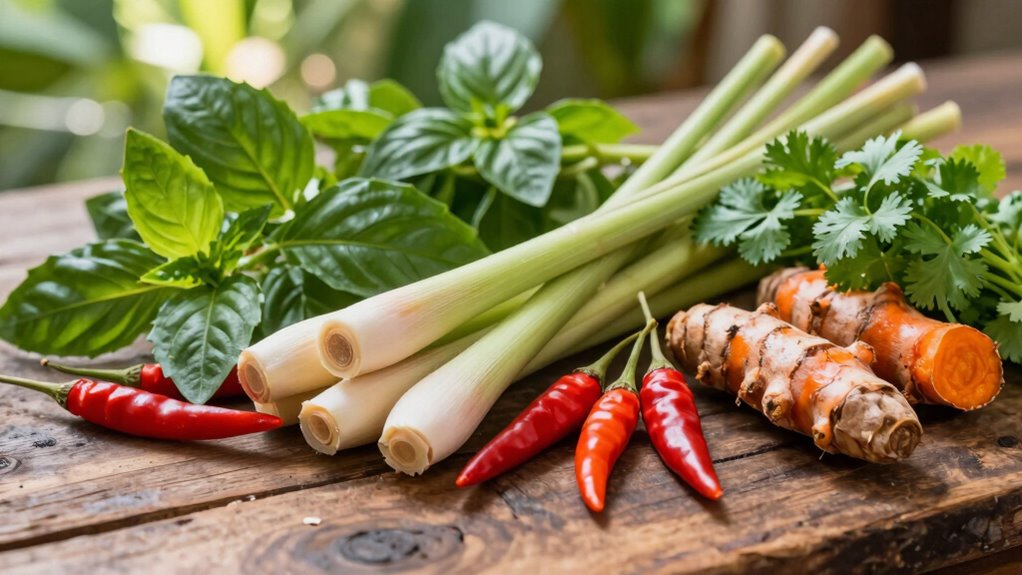
Indonesian cuisine is renowned for its vibrant flavors, and herbs play a crucial role in achieving that distinct taste. When you cook traditional Indonesian dishes, you often rely on a rich array of herbs that not only add flavor but also carry herbal health benefits. These herbs are more than just ingredients; they reflect centuries of traditional herb cultivation practices. By understanding these herbs, you can deepen your appreciation for the culinary and cultural heritage woven into every dish.
Indonesian herbs enrich dishes with vibrant flavors and centuries-old traditional health benefits.
In Indonesian cooking, herbs like turmeric, lemongrass, and kaffir lime leaves are staples. You might find yourself using fresh turmeric not just for its bright color and earthy flavor but also for its anti-inflammatory properties. Lemongrass, with its citrusy aroma, is another essential herb that aids digestion and offers calming effects. Kaffir lime leaves contribute a fragrant citrus scent that elevates curries and soups, while also providing antioxidants. These herbs are often cultivated in traditional herb gardens, where their cultivation follows age-old methods that guarantee their potency and purity. Traditional herb cultivation involves nurturing plants in specific soil conditions, using organic fertilizers, and harvesting at the right time to maximize flavor and health benefits. Understanding the traditional herb cultivation methods helps appreciate the authenticity and quality of these ingredients. Recognizing the significance of sustainable cultivation practices highlights the importance of preserving biodiversity and traditional knowledge in herb farming.
When you incorporate these herbs into your cooking, you’re engaging in a practice rooted in centuries of tradition. The herbal health benefits are well recognized in Indonesian culture, where herbs are used not only for flavor but also for their medicinal properties. For example, galangal, a close relative of ginger, is known for its digestive benefits and anti-inflammatory effects. Daun salam, or Indonesian bay leaf, adds depth to dishes and is believed to help with respiratory issues. These herbs are often harvested from local farms or home gardens, emphasizing the importance of traditional herb cultivation that preserves both flavor and health. Additionally, many of these herbs have been studied scientifically for their herbal health benefits, further validating their role in holistic well-being. Incorporating herbal medicine traditions into daily life reflects a holistic approach that has been passed down through generations. Moreover, the use of these herbs in daily cooking reinforces the cultural significance of natural remedies in Indonesian society.
Using herbs in Indonesian cuisine isn’t just about taste; it’s about embracing a holistic approach to well-being. Their herbal health benefits have been passed down through generations, ensuring that every meal is nourishing for the body and soul. As you prepare dishes with these herbs, you participate in a cultural tradition that values natural remedies alongside culinary excellence. Whether you’re simmering a rich curry or flavoring a simple rice dish, the herbs you include connect you to centuries of Indonesian culinary wisdom. This harmony of flavor, health, and tradition makes Indonesian herbs truly special, inviting you to explore their depths and incorporate their rich heritage into your own cooking.
As an affiliate, we earn on qualifying purchases.
Frequently Asked Questions
How Are Indonesian Herbs Traditionally Cultivated and Harvested?
You cultivate Indonesian herbs in traditional herb garden layouts, often planting them in specific sections based on their use. When harvesting, you pick herbs at their peak flavor, then use herb drying techniques like shade drying or sun drying to preserve them. These methods maintain the herbs’ potency, ensuring they’re ready for cooking. Regular harvesting encourages healthy growth and keeps your garden vibrant, authentic, and full of fresh, flavorful herbs.
Are There Regional Variations in Herb Usage Across Indonesia?
You’ll find regional variations in herb usage across Indonesia, reflecting diverse herb folklore and culinary symbolism. For example, Javanese cuisine emphasizes turmeric and galangal, while Sumatra favors lemongrass and kaffir lime leaves. These differences aren’t just flavor choices—they’re deeply rooted in local traditions and beliefs, making each region’s dishes uniquely vibrant. You’ll discover that understanding these variations enriches your appreciation of Indonesia’s rich culinary tapestry.
How Do Herbs Influence the Health Benefits of Indonesian Dishes?
Herbs considerably influence the health benefits of Indonesian dishes by offering diverse medicinal properties and herbal flavor profiles. When you include herbs like turmeric, ginger, and basil, you’re not only enhancing taste but also boosting immunity, reducing inflammation, and improving digestion. These herbs have natural medicinal properties that make your meals more nourishing and wholesome, turning everyday dishes into health-boosting choices rooted in traditional Indonesian culinary practices.
What Are Common Substitutes for Key Indonesian Herbs?
Think of herb flavor profiles like a symphony; if one instrument’s missing, the melody changes. When you lack key Indonesian herbs, modern herb alternatives can step in. Use cilantro instead of kemangi, basil for daun kemangi, or parsley as a substitute for daun jeruk purut. These options help maintain the vibrant flavors, ensuring your dishes stay authentic and delicious even when traditional herbs aren’t available.
How Do Herbs Contribute to the Preservation of Indonesian Culinary Heritage?
Herbs play a essential role in preserving Indonesian culinary heritage through herb symbolism and culinary rituals. You can see their significance in traditional ceremonies, where specific herbs symbolize health, prosperity, or protection. By incorporating these herbs into daily cooking and rituals, you keep cultural stories alive and honor ancestral practices. This continuity guarantees that the rich history and spiritual meaning behind Indonesian herbs remain vibrant and relevant for future generations.
As an affiliate, we earn on qualifying purchases.
Conclusion
By exploring the herbs that shape Indonesian cuisine, you discover more than just flavors—you uncover cultural stories and traditions. Imagine a chef in Bali perfecting a sambal, meticulously balancing turmeric and lemongrass to honor her ancestors. These herbs don’t just enhance dishes; they connect you to a rich history and vibrant community. Embrace them, and let your cooking become a soulful journey through Indonesia’s aromatic landscapes.
Kaffir lime leaves dried or fresh
As an affiliate, we earn on qualifying purchases.
As an affiliate, we earn on qualifying purchases.
As an affiliate, we earn on qualifying purchases.
NFL season / tailgating Picks
team gear
As an affiliate, we earn on qualifying purchases.