If you want to preserve nutrients best, steaming is your top choice. It retains water-soluble vitamins like C and B groups and keeps delicate flavors intact without using oils or high heat. Grilling, while tasty and smoky, can cause nutrient loss and charring, which may produce harmful compounds if overdone. To really optimize your meals, it’s helpful to understand how each method impacts both nutrition and flavor—more insights wait for you as you explore further.
Key Takeaways
- Steaming retains water-soluble vitamins (C, B vitamins) better than grilling, which can cause nutrient degradation.
- Grilling may lead to nutrient loss from high heat and charring if not carefully controlled.
- Steaming minimizes nutrient leaching and requires minimal fats, preserving nutrients effectively.
- Proper grilling techniques can retain nutrients, especially with lean meats and vegetables, despite potential risks.
- Overall, steaming is generally the best method for nutrient preservation, especially for delicate vitamins.
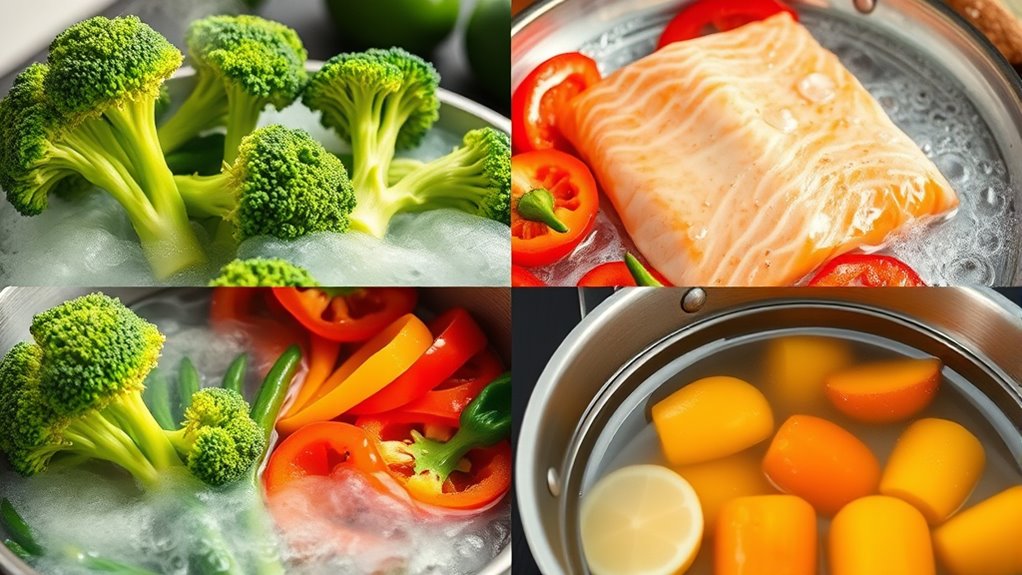
When choosing a cooking method, understanding how each technique affects flavor, texture, and nutrition can help you make better decisions in the kitchen. Two popular methods that often come up are steam cooking and grilling techniques. Both have unique benefits and drawbacks, especially when it comes to preserving nutrients in your food.
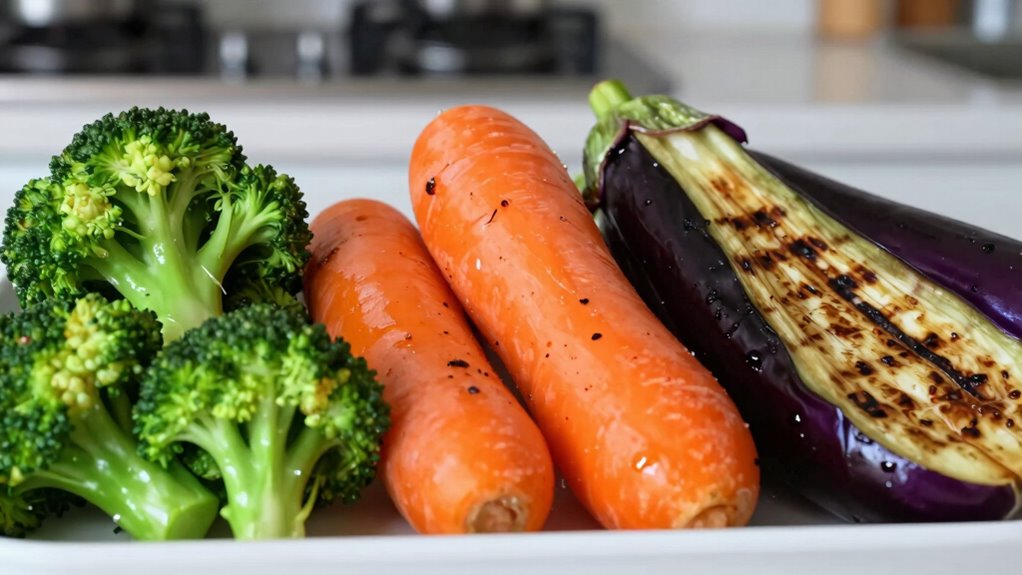
Steam cooking is celebrated for its ability to maintain the natural moisture and nutrients of ingredients. When you steam vegetables, fish, or even grains, you’re using hot vapor to cook food gently. This process minimizes nutrient loss, especially water-soluble vitamins like vitamin C and B vitamins, which can leach out into cooking water during boiling or other high-heat methods. Because steaming doesn’t involve direct contact with fats or oils, it also helps keep foods light and preserves their delicate flavors. Plus, it’s quick and easy to do, making it a healthy choice for everyday cooking.
Steaming preserves nutrients and delicate flavors, making it a quick, healthy cooking method.
On the other hand, grilling techniques offer a different set of benefits. When you grill, you’re exposing food to direct heat, often over an open flame or hot coals. This method imparts a smoky flavor and appealing char, which many find desirable. Grilling is particularly effective for meats, vegetables, and even fruits, giving them a distinct texture and taste that other methods can’t replicate. However, grilling can sometimes lead to nutrient loss, especially if food is overcooked or charred heavily, which may also produce potentially harmful compounds. To maximize nutrient preservation and minimize health risks, it’s best to control the temperature and avoid charring.
Both methods influence nutrient retention differently. For example, steaming retains most water-soluble vitamins because there’s little contact with water or excessive heat. Grilling, while offering flavor and texture benefits, might cause some vitamins to degrade due to high direct heat. But if done correctly, grilling can still be a nutritious option, especially when you choose vegetables or lean proteins and avoid charring.
In essence, your choice depends on what you’re aiming for: if you prioritize preserving nutrients with minimal fat, steaming is ideal. If you want flavor and a unique texture, grilling techniques are excellent, provided you manage heat and charring carefully. Knowing how each method affects your food helps you balance taste, nutrition, and health considerations. By understanding these differences, you can select the best cooking techniques tailored to your dietary goals and flavor preferences, making every meal both delicious and nourishing.
Frequently Asked Questions
How Does Pressure Cooking Affect Vitamin Retention in Vegetables?
Pressure cooking helps retain more vitamins in vegetables compared to other methods because it cooks quickly and uses less water. The high pressure speeds up cooking time, which minimizes nutrient loss. You’ll find that vitamin preservation is better with pressure cooking, especially for water-soluble vitamins like C and B. So, if you want to keep more nutrients, pressure cooking is a smart choice for vegetables.
Does Microwave Cooking Destroy More Nutrients Than Boiling?
Microwave cooking generally causes less nutrient loss than boiling because it’s more efficient and requires shorter cooking times. The quick process helps preserve vitamins and minerals, especially water-soluble ones like vitamin C. Boiling, on the other hand, exposes vegetables to heat longer, leading to greater nutrient loss through leaching into water. So, for better nutrient retention, microwave cooking is often the more effective method.
Are Raw Foods Always More Nutritious Than Cooked Ones?
You might think raw foods are always more nutritious, but that’s not always true. While raw nutrition often retains delicate vitamins and enzymes, cooked benefits like improved digestibility and increased antioxidant availability can outweigh raw advantages. Cooking can also destroy harmful bacteria, making your food safer. So, balance your diet with both raw and cooked foods to maximize nutrition and health benefits.
Which Cooking Method Best Preserves Antioxidants in Fruits?
You should choose steaming or microwaving to best preserve antioxidants in fruits. These methods maintain higher antioxidant stability because they use less water and shorter cooking times, which minimize nutrient loss. Avoid boiling, as it causes more antioxidant leaching into water, reducing fruit preservation. By using gentle methods like steaming or microwaving, you guarantee your fruits retain maximum antioxidants, keeping them nutritious and flavorful for longer.
How Do Different Cooking Oils Impact Nutrient Preservation?
You might think all cooking oils are equal, but olive oil and coconut oil impact nutrient preservation differently. Olive oil, rich in antioxidants, helps retain nutrients when used in low to medium heat, while coconut oil’s stability at high temperatures safeguards nutrients from degradation. Choosing the right oil for your cooking method ensures you maximize nutrient retention, so opt for olive oil for salads and coconut oil for high-heat frying.
Conclusion
So, next time you’re choosing how to cook your veggies, remember that steaming and microwaving often keep more nutrients intact than boiling or frying. Some say the idea that raw is always best isn’t entirely true—cooking can unveil nutrients too. Don’t just rely on one method; mix it up for variety and maximum health benefits. After all, the best way to preserve nutrients might be the one that makes you enjoy your food most!