
DIY meal kits are definitely changing how you cook at home by making meal prep easier, faster, and more customizable. They offer pre-portioned ingredients and step-by-step instructions, allowing you to tailor meals to your dietary needs and experiment with new cuisines. Plus, many focus on sustainability through local sourcing and eco-friendly packaging. If you want to discover how these innovations can transform your cooking experience, keep exploring the benefits and trends shaping the future of meal kits.
Key Takeaways
- DIY meal kits promote personalized cooking by offering pre-portioned ingredients and step-by-step instructions.
- They encourage experimentation with new ingredients and cuisines, making home cooking more versatile.
- Focus on local sourcing and eco-friendly packaging reduces environmental impact and promotes sustainability.
- Portion control minimizes food waste and allows customization to dietary preferences.
- Overall, they reshape home cooking by combining convenience, flexibility, and eco-conscious practices.
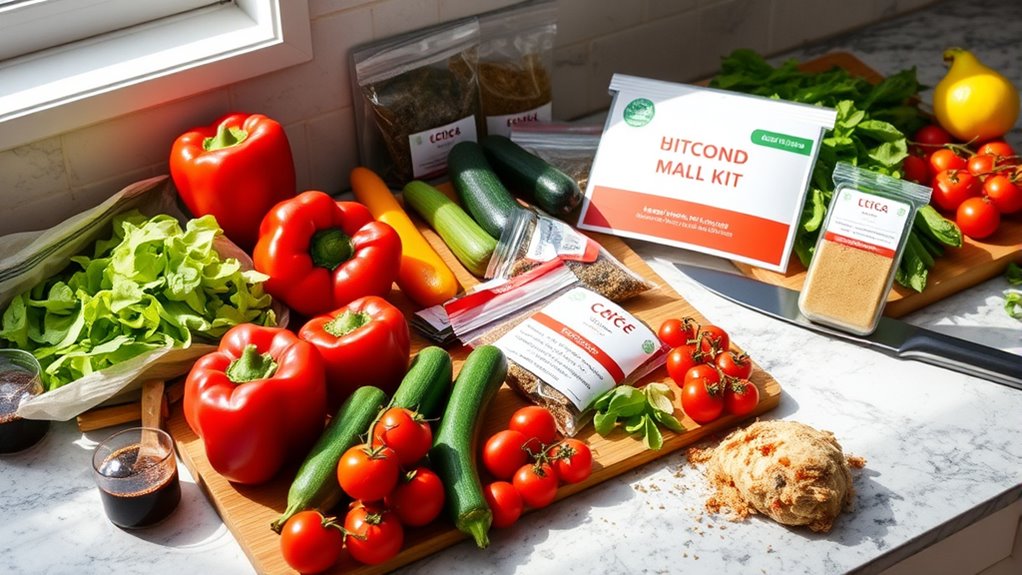
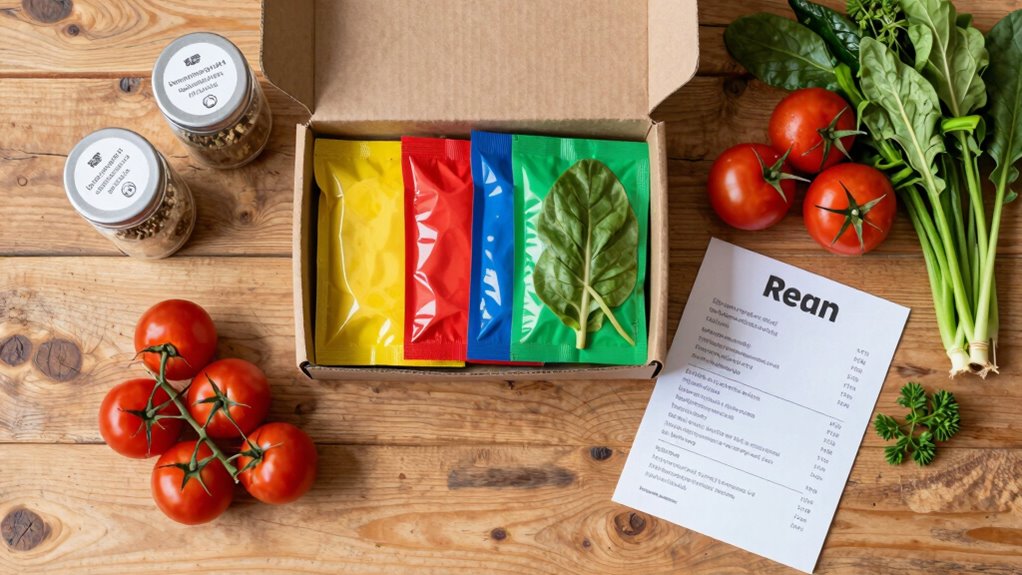
DIY meal kits have become a popular way to enjoy home-cooked meals without the hassle of meal planning or grocery shopping. These kits deliver pre-portioned ingredients and step-by-step instructions straight to your door, making it easier to cook fresh, delicious dishes at home. As more people turn to these kits, questions about their environmental impact and flexibility arise. You might wonder about sustainability concerns—are they eco-friendly? Do they generate unnecessary waste? The truth is, many DIY meal kit companies are actively working to reduce their carbon footprint by sourcing ingredients locally, minimizing packaging, and offering options to recycle or reuse the packaging materials. Some brands even prioritize sustainable practices by selecting organic or ethically sourced ingredients, which can help lessen the environmental impact compared to traditional grocery shopping. Additionally, incorporating smart indoor gardening into your meal preparation can further enhance the sustainability and freshness of your ingredients. This technology allows you to grow herbs and small vegetables at home, reducing reliance on packaged produce and lowering your overall environmental footprint. Embracing local sourcing can also support community farmers and reduce transportation emissions associated with food delivery.
One of the biggest perks of DIY meal kits is the customization options they offer. Unlike standard takeout or pre-packaged frozen meals, these kits allow you to tailor your meals to your tastes and dietary needs. Whether you’re vegetarian, gluten-free, or following a specific diet, you can select kits that match your preferences or modify recipes with included options. This flexibility not only enhances your dining experience but also empowers you to experiment with new ingredients and cuisines. Plus, because the ingredients arrive pre-measured, you waste less food, making your meal prep more efficient and sustainable. If you’re conscious about reducing food waste, this aspect alone makes DIY meal kits an attractive choice. Moreover, many companies are incorporating sustainable sourcing practices to further reduce their environmental impact and appeal to eco-conscious consumers. Furthermore, some brands are implementing transparency in their supply chains to build trust and promote responsible sourcing.
However, it’s worth considering that not all kits are created equal in terms of sustainability. Packaging can sometimes be excessive, especially if each ingredient comes individually wrapped or if the boxes are large relative to the contents. But many companies are actively working to improve this by using biodegradable packaging or encouraging customers to recycle. You also have the advantage of controlling portion sizes, which helps prevent leftovers from going to waste. The ability to customize recipes means you can choose meals that align with your dietary goals and nutritional needs, further reducing unnecessary waste or ingredients you won’t use. Moreover, some brands are exploring eco-friendly packaging materials to reduce environmental impact and support broader sustainability efforts. Implementing these innovations can significantly diminish the ecological footprint of meal kit delivery.
In the end, DIY meal kits are changing how you cook at home—offering a blend of convenience, personalization, and a chance to make more environmentally conscious choices. While there are some concerns about packaging waste, the ongoing efforts by companies to adopt sustainable practices mean you can enjoy these kits guilt-free. Plus, the freedom to customize your meals makes cooking more enjoyable and tailored to your lifestyle. As you explore different options, you’ll find that DIY meal kits aren’t just a trend—they’re reshaping the way you approach home cooking, making it more flexible, eco-friendly, and fun.
Frequently Asked Questions
How Do DIY Meal Kits Impact Local Food Producers?
DIY meal kits impact local food producers by boosting demand for local sourcing and small-scale suppliers. When you choose kits that prioritize fresh, local ingredients, you support nearby farmers and artisans. This creates a cycle of growth for small businesses, encouraging sustainable practices and maintaining local food diversity. Your choices directly influence the local economy, making it easier for small-scale suppliers to thrive and supply quality ingredients for your meals.
Are DIY Meal Kits Environmentally Sustainable?
You’re right to wonder if DIY meal kits are environmentally sustainable. They can be, since they often improve supply chain efficiency, reducing food waste. However, their packaging materials can be excessive, contributing to landfill waste. Did you know that packaging accounts for up to 70% of a meal kit’s environmental footprint? By choosing brands with eco-friendly packaging, you can enjoy convenience while helping reduce environmental impact.
What Safety Measures Are Involved in Preparing DIY Kits?
You should follow strict food safety measures when preparing DIY kits to prevent contamination. Always wash your hands thoroughly before handling ingredients, and use clean utensils and surfaces. Store perishable items properly, keep raw and cooked foods separate, and cook ingredients to the recommended temperatures. Check expiration dates, and avoid cross-contamination by organizing ingredients carefully. These steps help guarantee safe preparation and reduce the risk of foodborne illnesses.
How Do DIY Kits Accommodate Dietary Restrictions?
You might think DIY meal kits can’t handle all dietary restrictions, but they actually excel in personalization options. Many brands offer allergen management, allowing you to select or exclude ingredients based on allergies or preferences. This tailored approach guarantees you get meals suited to your needs, making cooking safer and more inclusive. So, yes, DIY kits are increasingly accommodating dietary restrictions, helping you enjoy meals without worry.
Can DIY Meal Kits Help Reduce Food Waste at Home?
Yes, DIY meal kits can help reduce food waste at home. They encourage better food storage by providing perfectly portioned ingredients, so you avoid buying excess or discarding leftovers. Plus, they influence your shopping habits, prompting you to buy only what’s needed for each meal. This streamlined approach minimizes waste and helps you become more mindful of your consumption, making cooking more efficient and eco-friendly.
Conclusion
So, are DIY meal kits changing how you cook at home? They’re making prep simpler, ingredients fresher, and meals more fun. They encourage you to try new recipes, learn new skills, and enjoy more quality time in the kitchen. Whether you’re seeking convenience or creativity, these kits invite you to cook more confidently, eat more mindfully, and enjoy more delicious moments. Ultimately, they’re transforming your cooking experience—one kit at a time.