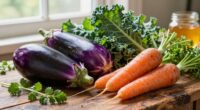
Using a slow cooker makes healthy eating easy by transforming nutrient-rich ingredients into flavorful, nourishing meals with minimal effort. Focus on adding vegetables, lean proteins, and beneficial spices like turmeric and ginger for maximum flavor and health benefits. Preparing large batches allows for quick meals throughout the week, reducing reliance on processed foods. If you want to explore more tips and delicious recipes, there’s plenty to discover that can enhance your healthy cooking journey.

Get kitchen staples and gadgets delivered free — and shop member deals
- Fast, free delivery on millions of items
- Access to Prime Big Deal Days deals on October 6–7
- Prime Video, Amazon Music and more included
Key Takeaways
- Incorporate nutrient-dense ingredients like vegetables, lean proteins, and spices to boost health benefits.
- Use slow cooking to preserve and enhance nutrient bioavailability and flavor development.
- Prepare large batches of healthy recipes for convenient, portion-controlled meals throughout the week.
- Layer ingredients thoughtfully and finish with fresh herbs or citrus to maximize flavor and nutrition.
- Understanding slow cooking science helps create flavorful, nutrient-rich meals with minimal effort and stress.
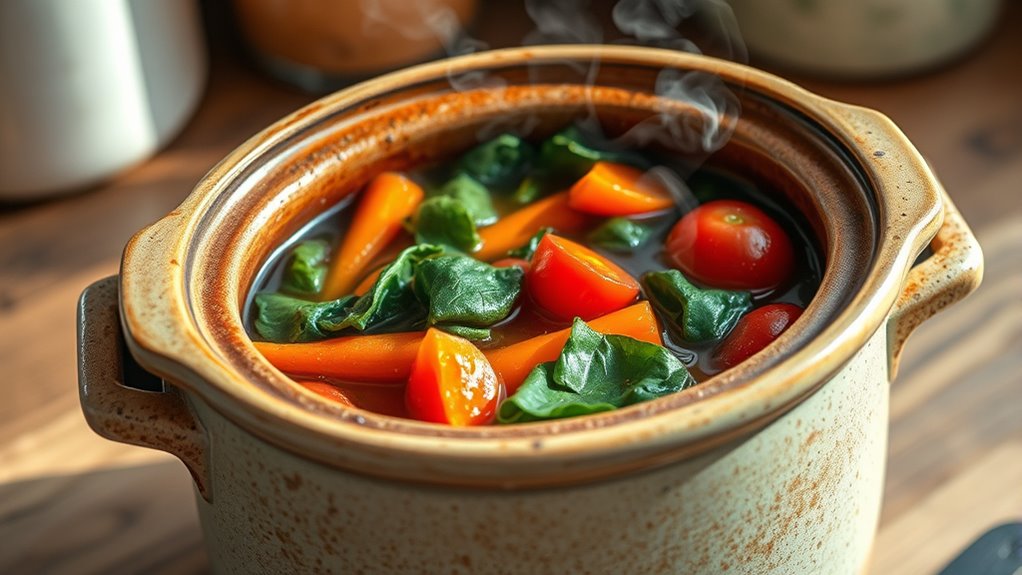
Slow cooking recipes are perfect for busy days when you want a flavorful, tender meal with minimal effort. When you’re short on time but still want to enjoy nutritious, satisfying dishes, a crockpot becomes your best friend. One of the biggest advantages of slow cooking is its ability to streamline meal prep. You can assemble your ingredients in the morning, set it to cook, and come home to a hot, ready-to-eat meal. This not only saves time but also reduces the stress of last-minute cooking decisions. Plus, slow cookers excel at melding flavors over hours, allowing you to experiment with diverse flavor combinations that elevate simple ingredients into wholesome, nutrient-rich dishes.
Slow cookers simplify meal prep and enhance flavors for nutritious, stress-free, and flavorful dishes.
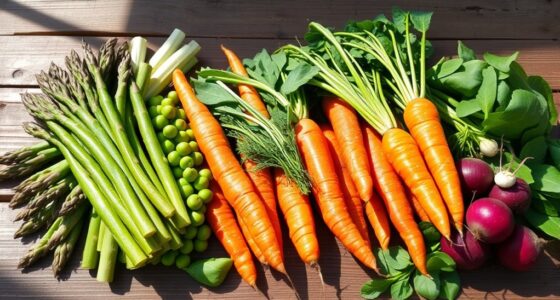
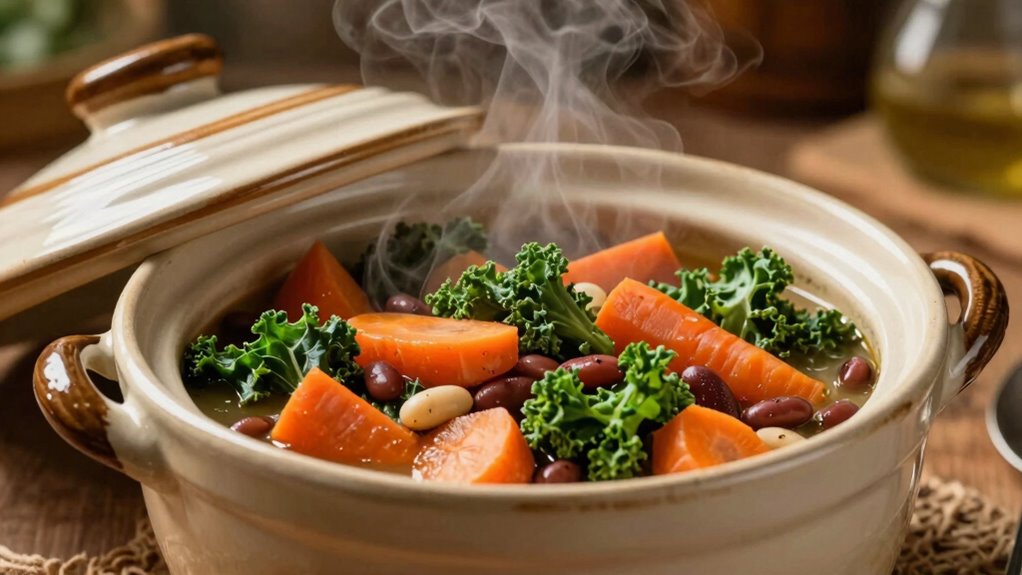
Incorporating nutrient-dense ingredients into your slow cooker recipes is straightforward, making it easy to stick to healthy eating goals. You can toss in a variety of vegetables—think carrots, spinach, bell peppers, and zucchini—along with lean proteins like chicken, turkey, or beans. These ingredients cook down into tender, flavorful bites, preserving their nutrients and making them easier to digest. The slow cooking process enhances the bioavailability of certain nutrients, meaning your body can absorb more vitamins and minerals from these dishes. When you plan your meals, consider combining ingredients intentionally to boost flavor profiles while maximizing health benefits. For example, pairing garlic and ginger with vegetables and chicken creates a savory, immune-boosting combo, while spices like turmeric and cumin add richness and anti-inflammatory properties.
Meal prep becomes even more efficient when you prepare large batches of nutrient-rich recipes and portion them out for the week. Slow cookers make this easy—simply cook a big pot of stew, chili, or curry, then divide it into containers for quick lunches or dinners. This approach not only saves time but also encourages healthier choices, as you’re less likely to reach for fast food or processed snacks. The versatility of slow cooking allows you to experiment with different flavor combinations, whether you prefer hearty, savory stews or lighter, herb-infused soups. By layering ingredients thoughtfully—such as adding herbs early for depth or finishing with fresh herbs and citrus—you create complex, satisfying meals that nourish your body and satisfy your taste buds.
Additionally, understanding the science of slow cooking can help you optimize nutrient retention and flavor development in your recipes. Ultimately, slow cooking supports a healthy lifestyle by making nutritious eating more accessible and enjoyable. With a little planning, you can create meals that are both delicious and packed with nutrients—all with minimal effort. It’s a practical way to stay consistent with your health goals while savoring flavorful, well-balanced dishes.
Frequently Asked Questions
Can I Cook Frozen Ingredients in a Crockpot Safely?
You shouldn’t cook frozen ingredients in a crockpot because it can jeopardize food safety. Frozen foods stay in the temperature danger zone for too long, allowing bacteria to grow. To keep your meals safe and delicious, thaw ingredients in the refrigerator first, then add them to your crockpot. This ensures even cooking and reduces the risk of foodborne illnesses, making your meal both healthy and safe.
How Do I Prevent Overcooking Vegetables in Slow Cooker Recipes?
Ever wonder how to keep your vegetables from turning mushy? To prevent overcooking, pay close attention to cooking duration and add vegetables at the right time. Thinner, delicate veggies need less time, so add them later. You can also cut them into larger chunks to preserve their texture. Stirring occasionally and checking periodically guarantees you achieve the perfect vegetable texture without overcooking.
Are There Specific Meat Cuts Best Suited for Slow Cooking?
You should choose tougher cuts like chuck roast, brisket, or pork shoulder for slow cooking. These cuts benefit from low and slow methods, breaking down connective tissues for tender results. Use proper cutting techniques to prepare the meat, and marinate it beforehand to enhance flavor and tenderness. This approach guarantees your meat remains juicy and flavorful, making your slow-cooked dishes truly delicious.
What Are Tips for Reducing Sodium in Crockpot Meals?
Did you know that reducing sodium intake by just 1,000 milligrams daily can markedly lower your blood pressure? To cut sodium in crockpot meals, use low sodium seasonings and avoid processed ingredients. Enhance flavor with fresh herbs like basil, thyme, and parsley, which add vibrant taste without extra salt. You’ll enjoy delicious, healthful meals while keeping your sodium levels in check, supporting your overall well-being.
How Can I Adapt Recipes for Dietary Restrictions Using a Slow Cooker?
To adapt recipes for dietary restrictions using a slow cooker, you should start by substituting ingredients to meet specific needs, like using plant-based proteins for vegetarians or low-sodium broths for heart health. You can also explore gluten-free options by swapping out wheat-based products with gluten-free grains or flours. This approach guarantees your meals are inclusive, tasty, and tailored to your dietary requirements.
Conclusion
By embracing slow cooking, you embrace convenience and nutrition, flavor and simplicity, health and ease. You choose to nourish your body, save your time, and enjoy delicious, nutrient-rich meals. You trust your crockpot to do the work, to bring out the best in fresh ingredients, to transform simple ingredients into satisfying dishes. In slow cooking, you find balance, in healthy eating, you find fulfillment, and in every meal, you find nourishment—mind, body, and soul.
Fall Picks
fall essentials
As an affiliate, we earn on qualifying purchases.