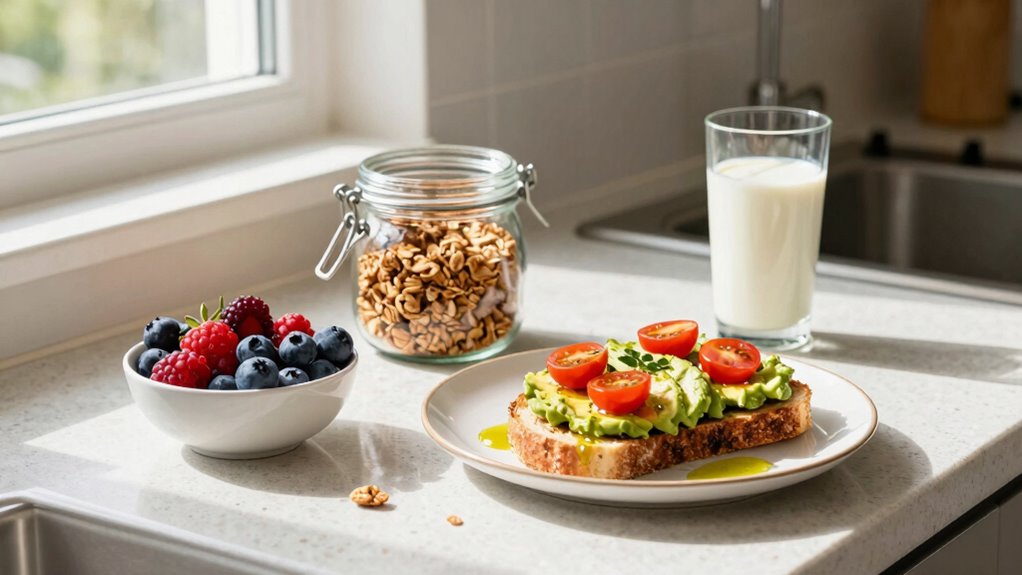

To make healthy eating feel less all-or-nothing, start by practicing mindful snacking—pay attention to what you eat and savor each bite to build a positive connection with food. Incorporate meal prepping to control ingredients and reduce stress during busy days, and diversify your diet with a variety of fruits and vegetables for better nutrition. Shift your mindset to see food on a spectrum, allowing flexibility and moderation. Gradually, small changes can lead to lasting habits that make healthy eating easier; discover how to apply these strategies effectively.

Get kitchen staples and gadgets delivered free with Prime
- Fast, free delivery on millions of items
- Prime Video, Amazon Music and more included
- Member-only deals all year
Key Takeaways
- Practice mindful snacking to enjoy food without guilt and recognize true hunger versus emotional cravings.
- Incorporate food diversity to promote balanced nutrition and prevent feelings of restriction.
- Shift mindset to see foods on a spectrum, allowing flexibility and occasional treats.
- Plan and prepare meals in advance to reduce decision fatigue and promote consistency.
- Focus on small, manageable changes over time to build sustainable healthy habits.
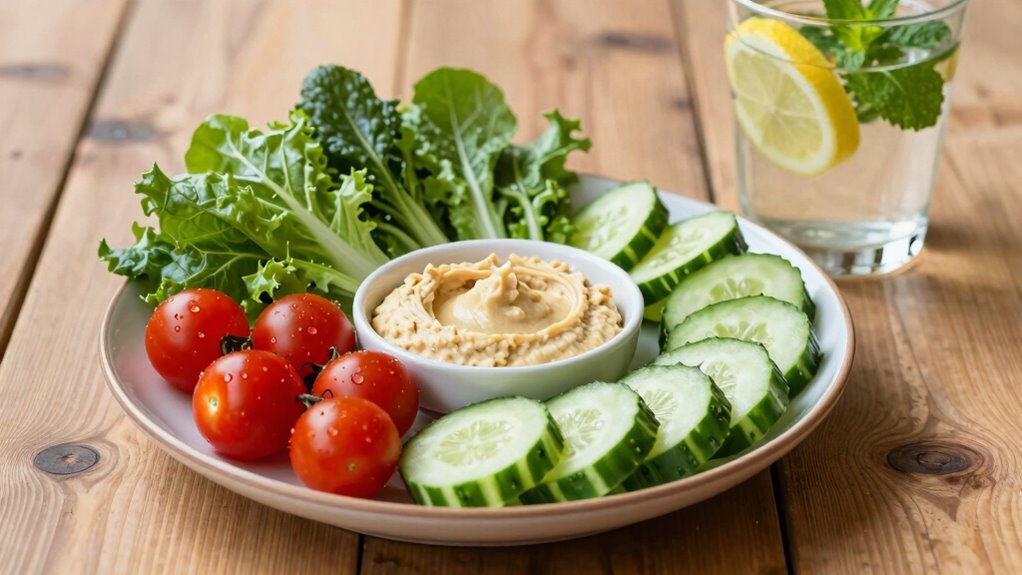
Are you looking for simple ways to improve your diet? Many people find themselves stuck in an all-or-nothing mindset, thinking that if they indulge a little or stray from their plan, they’ve failed entirely. But healthy eating doesn’t have to be perfect or rigid. Instead, you can develop a more relaxed approach that makes nourishing your body sustainable and enjoyable. One effective strategy is to incorporate mindful snacking into your routine. By paying attention to what you eat and savoring each bite, you create a positive connection to food without guilt. This mindfulness helps you recognize true hunger versus emotional cravings, making it easier to choose nourishing options without feeling deprived. When you practice mindful snacking, you’re less likely to overeat or binge on unhealthy treats, which often happens when you’re feeling restricted or overwhelmed.
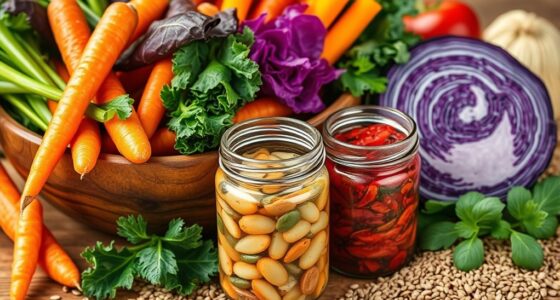
Another helpful tip is to focus on meal prepping. When you plan and prepare your meals in advance, you remove the guesswork and reduce the temptation to opt for convenience foods that might not align with your healthy goals. Meal prepping allows you to control ingredients, portion sizes, and nutritional content, making it easier to maintain a balanced diet without feeling like you’re constantly fighting cravings or stressing over what to eat next. It also saves you time during busy weekdays, so you’re less likely to skip meals or grab unhealthy snacks out of convenience. By preparing wholesome meals ahead of time, you create a steady supply of nourishing options that support your health, even on days when motivation wanes. Incorporating biodiversity into your food choices—such as choosing a variety of fruits, vegetables, and grains—can also enhance the nutritional value of your diet and support sustainable living practices. Additionally, understanding the importance of food diversity can help you make more informed choices that benefit both your health and the environment. Recognizing the significance of nutritional variety can also help prevent nutritional deficiencies, ensuring your body gets the full range of essential vitamins and minerals needed for optimal health.
Making healthy eating less all-or-nothing is also about shifting your mindset. Instead of viewing foods as either “good” or “bad,” see them on a spectrum. Allow yourself flexibility, like enjoying a slice of cake at a celebration or having a burger once in a while, without feeling guilty. This balanced perspective helps you avoid the cycle of restriction and bingeing, promoting a more sustainable approach. It’s also important to recognize that flexible eating is supported by research showing that moderation and variety contribute to long-term success. Remember, progress is about consistency, not perfection. Small, manageable changes—like swapping out processed snacks for fruits and nuts or setting aside time for meal prepping—add up over time. By adopting these habits, you’ll find that healthy eating becomes an integrated part of your lifestyle, rather than an all-or-nothing challenge that leaves you feeling defeated.
As an affiliate, we earn on qualifying purchases.
Frequently Asked Questions
How Can I Stay Motivated to Eat Healthily Long-Term?
To stay motivated long-term, focus on cultivating a balanced mindset and practicing mindful eating. Remind yourself that healthy eating isn’t about perfection but progress. Celebrate small victories, and don’t get discouraged by setbacks. Keep your goals realistic and enjoyable, and listen to your body’s signals. When you approach eating with awareness and self-compassion, maintaining motivation becomes natural, making healthy habits sustainable over time.
What Are Quick Healthy Snacks for Busy Days?
On busy days, quick healthy snacks are essential. You can do meal prep on weekends to have ready-to-eat options like cut veggies, fruit, or yogurt. Snack swaps, like choosing nuts over chips or hummus with whole-grain crackers, help keep you satisfied without sacrificing health. Keep these handy in your bag or fridge to curb temptations and stay energized throughout the day.
How Do I Handle Cravings Without Feeling Deprived?
Think of cravings as weather patterns—temporary and changeable. To handle them, practice mindful eating by pausing and savoring each bite, which helps you recognize true hunger versus emotional urges. Use craving management techniques like healthy substitutions or allowing small treats without guilt. This way, you enjoy what you want without feeling deprived, maintaining balance and making healthier choices easier and more sustainable.
Can I Indulge Occasionally Without Ruining My Progress?
Yes, you can indulge occasionally without ruining your progress by practicing moderation and balance. Focus on mindful indulgence—savor every bite and enjoy treats slowly, rather than feeling guilty. Allow yourself small, controlled indulgences, and then get back to your healthy habits. This approach helps prevent feelings of deprivation and keeps your overall goals on track, making healthy eating sustainable and enjoyable.
What Are Simple Ways to Improve My Eating Habits?
You can improve your eating habits by starting with simple steps like meal prep to control portions and ingredients. Practice mindful eating by paying attention to hunger cues and savoring each bite, which helps prevent overeating. Incorporate more fruits, vegetables, and whole grains into your meals gradually. These small changes make healthy eating manageable and sustainable, helping you enjoy food without feeling deprived or restricted.
meal prep containers for healthy meals
As an affiliate, we earn on qualifying purchases.
As an affiliate, we earn on qualifying purchases.
Conclusion
Remember, you don’t have to be perfect to enjoy healthy eating. Embrace progress over perfection, much like a trusty knight of old who knows even a humble shield can protect. Small, manageable changes add up over time, making healthy habits feel less like a medieval quest and more like a daily stroll. So, don your armor of patience and kindness with yourself, and savor the journey — after all, even the greatest heroes start somewhere.
variety of organic fruits and vegetables
As an affiliate, we earn on qualifying purchases.
As an affiliate, we earn on qualifying purchases.
food diversity cookbook or guide
As an affiliate, we earn on qualifying purchases.
As an affiliate, we earn on qualifying purchases.
NFL season / tailgating Picks
team gear
As an affiliate, we earn on qualifying purchases.