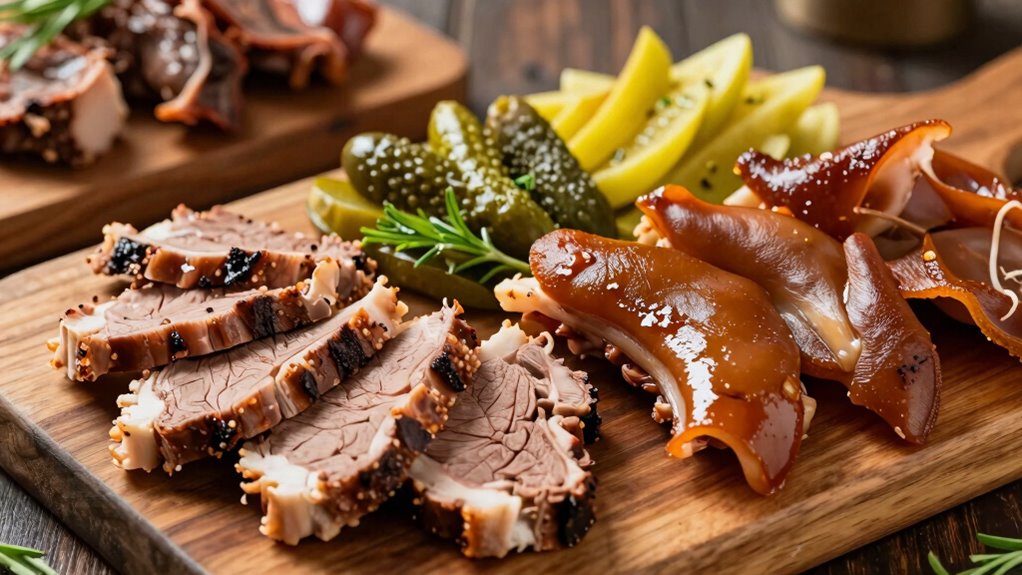

Nose-to-tail dining is about using every part of the animal, which helps you reduce waste and eat more sustainably. It encourages you to explore lesser-known cuts like liver, bones, and skin, transforming them into delicious dishes. This practice supports ethical sourcing and promotes responsible farming. By embracing this trend, you not only enjoy unique flavors but also contribute to a more eco-friendly food system. Discover how this approach can elevate your culinary experience as you explore further.
Listen free for 30 days with Audible
Thousands of audiobooks and originals — cancel anytime.
As an affiliate, we earn on qualifying purchases.
Key Takeaways
- Promotes sustainable eating by utilizing all parts of the animal, reducing waste and supporting eco-friendly practices.
- Inspires culinary innovation through creative recipes using lesser-known cuts like liver, tripe, and bone marrow.
- Encourages sourcing from ethical, local farms to ensure responsible farming and transparent supply chains.
- Teaches practical techniques such as braising, slow-cooking, and broth-making to maximize flavor and tenderness.
- Deepens appreciation for butchering craftsmanship and connects food choices to environmental and animal welfare values.
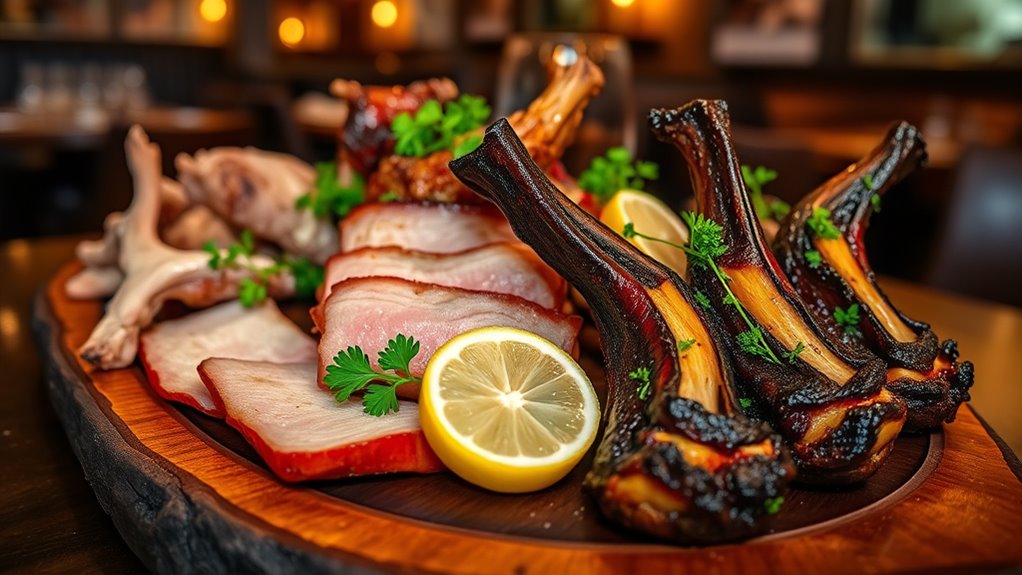
Have you ever considered how much culinary value lies in the entire animal? Embracing nose-to-tail dining invites you to see beyond traditional cuts and appreciate every part of the animal, transforming waste into a culinary treasure. This approach not only minimizes waste but also promotes sustainable sourcing, ensuring that farmers and butchers make the most of their livestock. By choosing nose-to-tail dishes, you’re supporting practices that respect animal welfare and reduce environmental impact, contributing to a more ethical and eco-friendly food system.
Embrace nose-to-tail eating to minimize waste and support sustainable, ethical food practices.
Culinary innovation plays a significant role in making nose-to-tail eating appealing and accessible. Chefs around the world are reimagining recipes, turning lesser-used cuts into gourmet delicacies, and showcasing the versatility of every part of the animal. Think beyond familiar steaks and roasts—try dishes featuring liver pâtés, crispy skin, tripe, or even bone marrow. These ingredients, once considered less desirable, are now prized for their rich flavors and unique textures. This shift not only broadens your palate but also encourages culinary creativity, inspiring you to experiment with new techniques and flavors. Exploring culinary techniques can help unlock the full potential of these ingredients and elevate your cooking.
Adopting a nose-to-tail mindset means you become more conscious of your food choices. It encourages you to seek out sources that prioritize sustainable sourcing, where animals are raised ethically and with respect for the environment. When you purchase from local farms or butchers committed to responsible practices, you’re helping to foster a food system that values transparency and ecological balance. Additionally, learning about butchering processes can deepen your understanding of how to utilize each part effectively and respectfully. This awareness can also lead you to explore specialty markets or participate in community-supported agriculture programs that emphasize sustainability.
In your kitchen, nose-to-tail cooking challenges you to think differently about traditional recipes. You might braise oxtails for a hearty stew, slow-cook beef cheeks for melt-in-your-mouth tenderness, or utilize bones to make flavorful broths that serve as the foundation for soups and sauces. These techniques elevate humble ingredients into culinary masterpieces, allowing you to savor the full spectrum of flavors and textures the animal has to offer. It’s about respecting the animal by making sure nothing goes to waste and appreciating the craftsmanship involved in transforming these cuts into delicious meals.
Furthermore, understanding the butchering process can deepen your appreciation for the skill involved and help you better utilize all parts of the animal. Ultimately, nose-to-tail dining isn’t just about reducing waste; it’s a celebration of culinary innovation that deepens your connection to food and the environment. By embracing this approach, you support sustainable sourcing and open yourself up to a richer, more diverse gastronomic experience. It’s a way to honor the animal, the farmers who raise it, and your own curiosity as a food lover enthusiastic to explore the full potential of every cut.
Top picks for "nose tail embrac"
As an affiliate, we earn on qualifying purchases.
Frequently Asked Questions
How Do I Learn to Prepare Unfamiliar Cuts Safely at Home?
To learn to prepare unfamiliar cuts safely at home, start by researching specific cooking techniques for each cut, like braising or roasting. Always prioritize kitchen safety by handling knives carefully, keeping work areas clean, and cooking meat to proper temperatures. Watch tutorials, read reputable recipes, and consider taking a class to build confidence. Practice regularly, and you’ll become more comfortable with nose-to-tail cooking while ensuring safety.
Are There Specific Dietary Restrictions Related to Nose-To-Tail Eating?
Nose-to-tail eating isn’t a one-size-fits-all approach; it’s more like a tailored suit. You should consider allergen considerations and religious restrictions before diving in. Some cuts may trigger allergies, and certain dietary laws might exclude specific offal. Always check ingredient sources and ask questions to guarantee you respect your dietary needs and beliefs. This way, you enjoy whole-animal dishes safely and thoughtfully.
How Can I Find Restaurants That Practice Sustainable Nose-To-Tail Dining?
To find restaurants practicing sustainable nose-to-tail dining, look for those emphasizing local sourcing and ethical farming. Use online platforms like Yelp or TripAdvisor, filtering reviews for sustainability practices. Check restaurant websites or social media for info on their sourcing and ethics. Ask staff directly about their commitment to whole animal use and local suppliers. Supporting establishments that prioritize these values helps promote responsible, nose-to-tail dining.
What Are the Cultural or Historical Origins of Nose-To-Tail Cuisine?
Did you know that nose-to-tail cuisine dates back centuries, rooted in cultural traditions and historical practices of resourcefulness? You’ll find it prominent in regions like France and the UK, where it was essential to use every part of the animal for sustenance. These practices reflect a respect for animals and a desire to minimize waste, shaping culinary traditions that emphasize sustainability and cultural heritage.
How Do I Store and Preserve Leftover Parts Effectively?
To store and preserve leftover parts effectively, focus on proper meat preservation and storage techniques. Wrap the leftovers tightly in plastic wrap or foil, then place them in airtight containers or vacuum-sealed bags to prevent freezer burn. Label with dates and store in the coldest part of your fridge or freezer. Keep temperature consistent, ideally below 40°F (4°C), to maintain freshness and prevent spoilage.
Conclusion
Embracing nose-to-tail dining not only reduces waste but also deepens your appreciation for every part of the animal. Did you know that in some cultures, up to 90% of the animal is utilized, compared to just 50% in others? By trying this trend, you’re supporting sustainable practices and enjoying unique flavors. So, next time you dine, consider exploring these lesser-known cuts—your palate and the planet will thank you.
NFL season / tailgating Picks
team gear
As an affiliate, we earn on qualifying purchases.