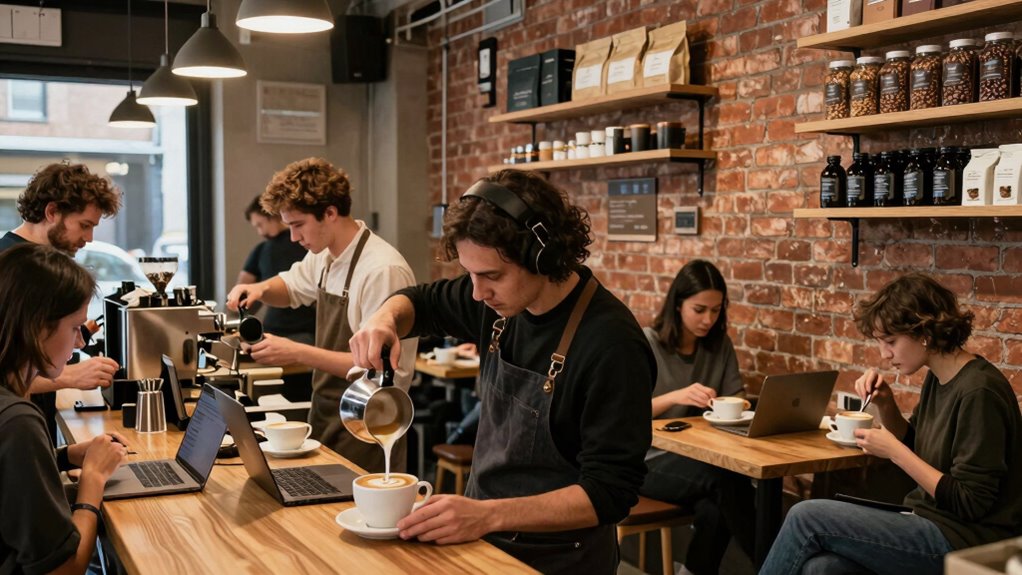

The third-wave coffee movement is taking over because it transforms your daily brew into an artisanal experience focused on quality, transparency, and storytelling. Instead of just a caffeine boost, you get to explore unique flavors from single origin beans and appreciate the craftsmanship of skilled baristas. This approach creates a meaningful connection to your coffee, making each cup more enjoyable. Keep exploring to discover how this new culture can deepen your coffee experience even further.

Get kitchen staples and gadgets delivered free with Prime
- Fast, free delivery on millions of items
- Prime Video, Amazon Music and more included
- Member-only deals all year
Key Takeaways
- Growing consumer desire for transparency and authenticity drives the popularity of third-wave coffee.
- Emphasis on single origin beans enhances flavor diversity and storytelling, attracting coffee enthusiasts.
- Barista artistry and craftsmanship elevate coffee from a beverage to a curated, experiential ritual.
- Education on sourcing, brewing, and flavor profiles fosters deeper consumer engagement.
- The movement aligns with broader trends of mindful consumption and appreciation of quality over quantity.
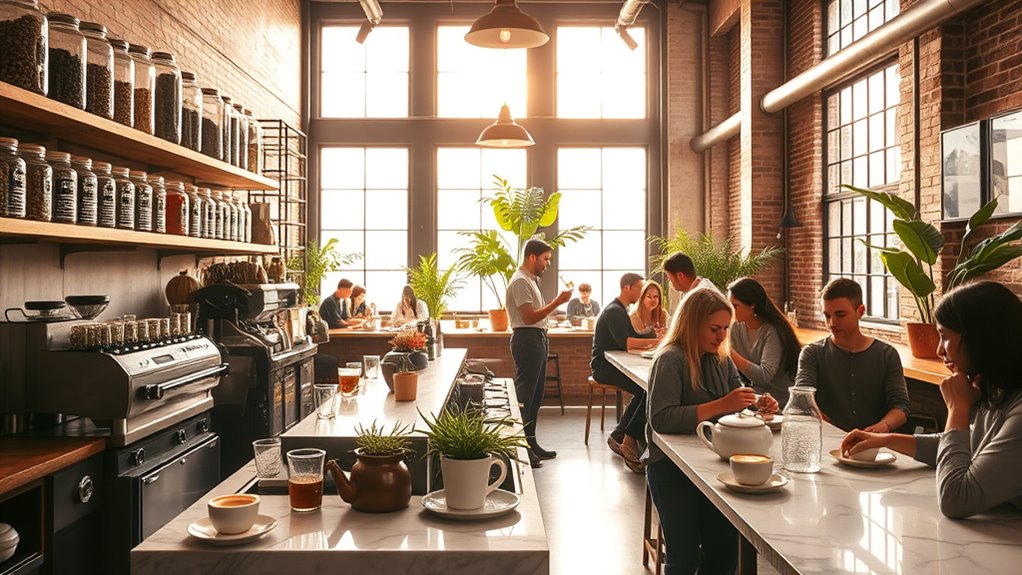
Over the past decade, coffee has transformed from a simple morning pick-me-up into a vibrant cultural phenomenon. You might have noticed it in your local cafes, where the focus isn’t just on caffeine anymore but on craft, quality, and storytelling. This shift is largely driven by third-wave coffee, which emphasizes transparency, sustainability, and a deeper appreciation for the beans themselves. When you walk into these specialty coffee shops, you’re likely to see displays of single origin beans, each sourced from specific farms or regions known for their distinct flavors. These beans are chosen carefully to showcase the unique characteristics imparted by their terroir, giving you a richer, more nuanced experience with every cup. The emphasis on single origin beans means that your coffee isn’t just a generic blend but a carefully curated product that tells a story about its origin, climate, and cultivation methods. This focus on traceability appeals to your desire for authenticity and connection to the source, elevating your coffee routine from routine to ritual.
At the heart of this movement is barista artistry. Baristas now don’t just brew coffee—they craft it. They’re trained in the nuances of extraction, milk texturing, and presentation, transforming each cup into a work of art. You’ll notice baristas taking time to explain the origin of the beans, the brewing technique, and even the flavor notes you can expect. Their skill transforms a simple beverage into an experience, engaging your senses and your curiosity. The artistry extends to latte art, where steamed milk becomes a canvas for intricate designs, turning your coffee into a visual delight. This craftsmanship fosters a deeper appreciation for the process, encouraging you to savor each sip instead of rushing through it. As you become more aware of the effort and expertise involved, your coffee-drinking becomes more intentional and meaningful.
This wave of third-wave coffee champions transparency and education. You’re encouraged to ask questions about the beans’ origin, roasting process, and brewing methods. Baristas often serve as guides, helping you understand how different single origin beans can vary in flavor and aroma. It’s not just about drinking coffee; it’s about experiencing and understanding it on a more profound level. As coffee culture continues to evolve, you’re part of a movement that values quality over quantity, craftsmanship over convenience. This shift invites you to explore new flavors, appreciate skilled barista artistry, and develop a richer connection to your daily brew—making every cup more than just caffeine, but a celebration of coffee’s artistry and its stories.
Frequently Asked Questions
How Did Third-Wave Coffee Originate?
You might find that third-wave coffee originated in the early 2000s when enthusiasts focused on bean sourcing and brewing techniques. They prioritized traceability, highlighting unique origins and quality. This movement emphasizes artisanal methods, with baristas experimenting with pour-over and other precise brewing techniques. By valuing the beans’ origin and craftsmanship, third-wave coffee transformed your coffee experience into a more refined, transparent, and innovative culture.
What Distinguishes Third-Wave Coffee From Traditional Coffee?
You’ll notice third-wave coffee focuses on artisanal brewing techniques and emphasizes coffee purity, setting it apart from traditional methods. About 60% of coffee shops now prioritize single-origin beans and precise extraction methods. This movement values transparency in sourcing and a deeper appreciation for flavor nuances. Unlike traditional coffee, third-wave brewers treat coffee as an artisanal craft, aiming to highlight each bean’s unique characteristics and deliver a more refined, authentic experience.
Which Regions Are Leading Third-Wave Coffee Movements?
You’ll find that regions like North America, particularly the U.S. and Canada, lead third-wave coffee movements through their focus on artisanal brewing and high-quality beans. European cities like Copenhagen and London also embrace regional trends, emphasizing craft and sustainability. These areas prioritize transparency, innovative techniques, and local sourcing, setting the pace for the global third-wave coffee scene. As a coffee enthusiast, you’ll notice a strong community dedicated to elevating every cup.
How Does Third-Wave Coffee Impact Local Economies?
You’ll find that third-wave coffee boosts local economies by supporting small businesses and creating more employment opportunities—statistics show a 15% growth in local coffee shops over the past three years. When you visit these specialty cafes, you help stimulate economic activity, promote local entrepreneurship, and keep profits circulating within your community. This movement not only elevates coffee quality but also strengthens the economic fabric of your neighborhood.
What Are the Health Benefits of Third-Wave Coffee?
You’ll enjoy health benefits from third-wave coffee, like increased coffee antioxidants that help fight free radicals, supporting your overall health. The caffeine benefits include improved focus, energy, and mood. Plus, high-quality beans often contain fewer additives and are less processed, so you get more natural nutrients. Drinking third-wave coffee mindfully can boost your alertness while providing antioxidants, making it a tasty way to support your wellness routine.
Conclusion
As you explore the third-wave coffee movement, it’s clear how much passion and craftsmanship are shaping today’s coffee scene. Did you know that specialty coffee sales have grown by over 20% in the past five years? This surge shows how consumers like you are valuing quality and sustainability. So, next time you sip your brew, remember you’re part of a cultural shift that’s elevating coffee into an art form.
NFL season / tailgating Picks
team gear
As an affiliate, we earn on qualifying purchases.