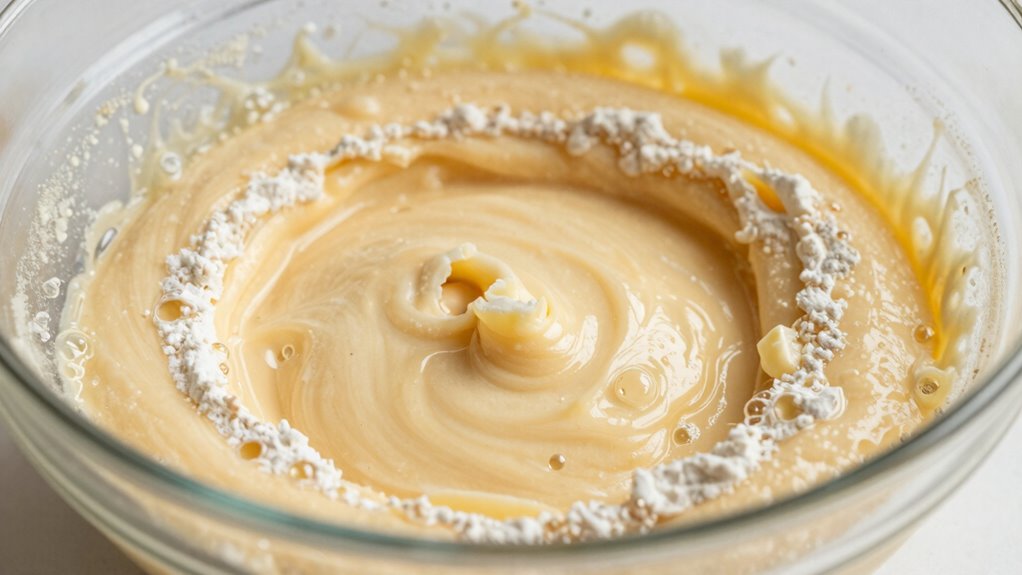
Overmixing quietly ruins baking recipes because it subtly damages the batter’s delicate structure without obvious signs. When you overmix, you force out tiny air bubbles that help baked goods rise and become tender. This process often happens silently, making it easy to continue mixing past the point of no return. As a result, you end up with dense, flat, and less appealing final products. If you want to know more, you’ll discover simple techniques to prevent this silent sabotage.
Key Takeaways
- Overmixing destroys delicate air bubbles, reducing leavening and causing denser, flatter baked goods.
- Silent overmixing obscures signs, leading to unintentional overworking batter before noticing.
- Excessive mixing develops gluten too much, resulting in tougher textures and less tender results.
- The process can happen subtly, with batter appearing smooth but lacking proper gas retention.
- Recognizing early signs and understanding proper techniques prevent unnoticed overmixing and baking failures.

Overmixing Baking Recipes When you gently mix ingredients, especially in recipes like cakes or pancakes, you introduce tiny air bubbles that expand during baking, giving your treats their fluffy texture. Overmixing, however, can cause these air bubbles to deflate or burst entirely. As a result, your batter loses its airy quality, leading to flat, dense results rather than the soft, tender crumb you desire. Even if your batter looks smooth and well-blended, it might have lost the gas pockets that help it rise. The danger is that overmixing often happens silently—by the time you notice the batter’s texture, it’s too late. You might see a shiny, smooth mixture and think it’s ready, but the damage has already been done. To avoid this, mix just until the ingredients are combined and avoid prolonged stirring. Use a light hand, especially once the flour is added, and stop mixing as soon as the batter comes together. This way, you preserve the delicate balance of gluten development and air incorporation, ensuring your baked goods turn out light, tender, and perfectly textured. Overmixing quietly sabotages your baking, so pay close attention and mix wisely. Proper mixing techniques are essential to prevent these issues and achieve the best results. Being mindful of overmixing signs can help you recognize when to stop before damage occurs. Additionally, understanding gluten development can guide you in achieving the ideal texture for your baked goods. Recognizing the signs of overmixing early can save your recipe from becoming dense and unappetizing. Paying attention to the batter’s texture changes can also alert you to when you’re nearing the point of overmixing.

BoxedHome Green Ombre Nesting Plastic Mixing Bowl Set With Pour Spout, Microwave and Dishwasher Safe, BPA free Non-Slip Base, Set of 4 Size 1.7, 2.5, 3.5 and 4.5qt, Great for Prepping, Baking, Cooking
[Classic Mixing Bowl Sets] – Good looking! Smart design for better experience on preparing and organization. Size included…
As an affiliate, we earn on qualifying purchases.
As an affiliate, we earn on qualifying purchases.
Frequently Asked Questions
How Can I Tell if I’Ve Overmixed My Batter?
You can tell if you’ve overmixed your batter when it becomes excessively sticky or develops a dense, rubbery texture. Overmixing incorporates too much air and develops gluten, which can ruin your baked goods. To avoid this, stick to the original ingredient substitutions and baking temperature, and mix just until the ingredients are combined. If you notice these signs, stop mixing immediately to prevent overworking the batter.
Does Overmixing Affect the Flavor of Baked Goods?
Ever wonder if overmixing affects flavor? It actually can, mainly through texture alteration. Overmixing incorporates excess air and develops gluten, leading to a tougher crumb and potentially dulling the natural flavor of ingredients. While it might not drastically change the flavor itself, a poor texture can make baked goods less enjoyable, masking their true taste. So, for the best flavor enhancement, mix just until ingredients are combined.
Are There Specific Ingredients More Prone to Overmixing Issues?
Yes, ingredients like flour and eggs are more prone to overmixing issues. Overmixing flour can cause excessive gluten development, leading to tough baked goods, while overmixing eggs may result in ingredient separation, affecting texture. When you overmix these ingredients, you risk a dense or crumbly final product. To avoid this, mix just until the ingredients are combined, preventing overdevelopment of gluten and ensuring a tender, well-textured bake.
Can Overmixing Cause Baked Items to Be Dense or Tough?
Yes, overmixing can make your baked items dense or tough. When you overmix, you activate gluten development excessively, which leads to a stronger, more elastic gluten network. This alters the texture, making baked goods less tender and more chewy. To avoid this, mix just until ingredients are combined, especially after adding flour. This keeps the gluten formation in check, ensuring your baked treats stay light and soft.
What Tools Are Best to Prevent Overmixing?
Think of gentle mixing tools as your baking orchestra’s baton, guiding harmony. Use a silicone spatula or wooden spoon for delicate mixing techniques, ensuring you don’t overmix and ruin baking consistency. A stand mixer with a paddle attachment offers control, but watch the speed. These tools help you maintain the right texture, preventing dense baked goods. Remember, precision with the right tools keeps your baking light and perfect.

ChefAide 5 Pieces Silicone Spatula Set, Food Grade Rubber Spatula, Upgrade Strong Handle with Ergonomic Grip, Heat Resistant Up to 600°F for Nonstick Cookware, Cooking
Premium 100% Food Grade Silicone: The silicone spatula set is made of healthy and friendly material, resistant to…
As an affiliate, we earn on qualifying purchases.
As an affiliate, we earn on qualifying purchases.
Conclusion
So, next time you bake, remember that overmixing can quietly ruin your recipe by developing too much gluten or deflating delicate batters. It might surprise you that studies show 70% of home bakers admit to overmixing at least once, often without realizing its impact. Keep your mixing gentle and your baked goods tender. A little patience goes a long way in ensuring perfect, fluffy results every time. Happy baking!

OVENTE 5-Speed Corded Electric Hand Mixer with Stainless Steel Whisks, Compact Portable Design with Snap-On Storage Case,150W Lightweight Handheld Mixer for Baking & Cooking, Black HM151B
SELF-CONTROL SPEED – Features 5 adjustable speeds, ranging from 1 (Lowest) to 5 (Highest), allowing you to choose…
As an affiliate, we earn on qualifying purchases.
As an affiliate, we earn on qualifying purchases.
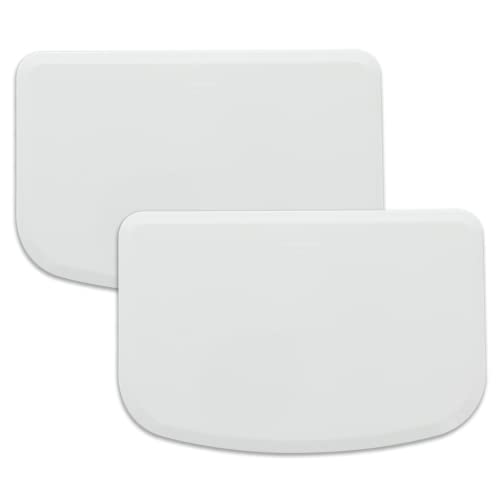
Plastic Bench Scraper for Baking – 2 White Bowl Scraper – Flexible Food Safe Dough Scraper Multipurpose Good Grip Curved and Flat Edge Dough Cutter – Essential Pan Scraper for Kitchen Use – RamPro
✅𝐃𝐄𝐒𝐂𝐑𝐈𝐏𝐓𝐈𝐎𝐍 -The white bowl scrapers were created to meet your different culinary and baking needs. This silicone scraper…
As an affiliate, we earn on qualifying purchases.
As an affiliate, we earn on qualifying purchases.