
Choosing between steaming, boiling, or blanching depends on what you want to preserve in your food. Steaming gently uses indirect heat to keep nutrients, color, and texture intact. Boiling submerges food in hot liquid, which can lead to nutrient loss but is quick for pasta or potatoes. Blanching briefly cooks vegetables to preserve their quality before freezing. Keep exploring these methods to discover how each can best enhance your dishes and maintain healthy ingredients.
Key Takeaways
- Steaming uses indirect heat with steam, preserving nutrients, color, and texture without submerging food in water.
- Boiling submerges food in rapidly bubbling water, suitable for pasta and grains, but can lead to nutrient loss.
- Blanching briefly boils food and then cools it in ice water, preserving color, texture, and slowing spoilage enzymes.
- All three methods are gentle, with steaming being the most nutrient-preserving, followed by blanching, then boiling.
- Choosing between them depends on food type and desired texture, with steaming and blanching offering more delicate cooking options.
Gentle cooking methods are ideal for preserving the natural flavors, textures, and nutrients of your ingredients. When you choose techniques like sous vide precision or poaching, you’re intentionally minimizing heat exposure to maintain the integrity of your food. Sous vide precision, in particular, allows you to cook vacuum-sealed ingredients at a precise, consistent temperature, ensuring even cooking without the risk of overcooking or losing moisture. This method is excellent for delicate proteins like fish or poultry, as it keeps them tender and flavorful while retaining nutrients that might otherwise be lost with high-heat methods.
Poaching techniques, on the other hand, involve cooking food gently in liquid just below boiling point. This approach is perfect for fragile items like eggs, fruit, or seafood, because it prevents the toughening or drying out that can happen with more aggressive cooking methods. When you poach, you control the temperature carefully, often around 160 to 180°F (70 to 80°C), which allows the food to cook evenly and stay moist. The key is maintaining a steady, gentle simmer and avoiding vigorous boiling, which can damage delicate textures. Poaching is also versatile—you can use broth, wine, or seasoned water to add extra flavor, making it both a gentle and flavorful way to cook.
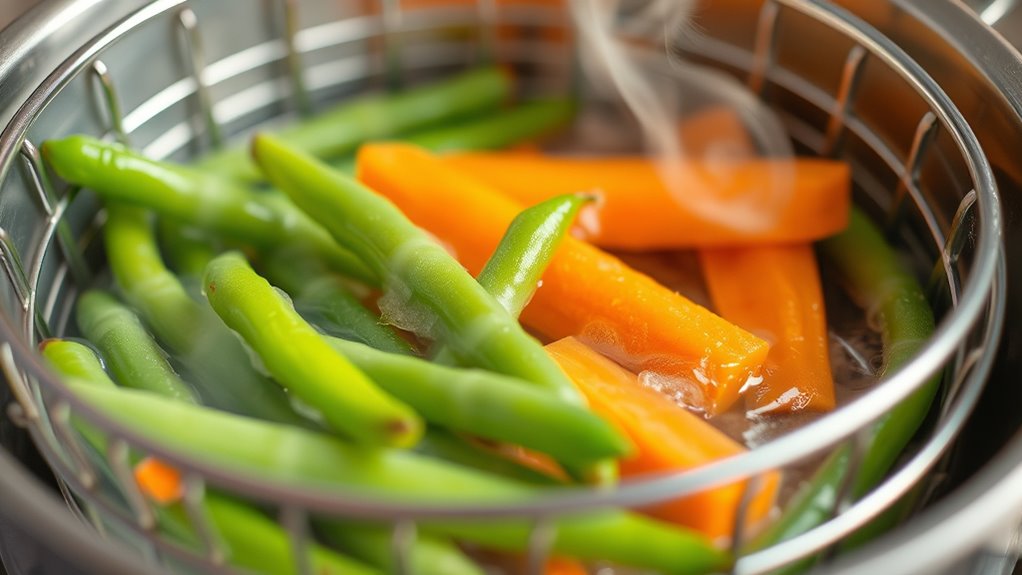
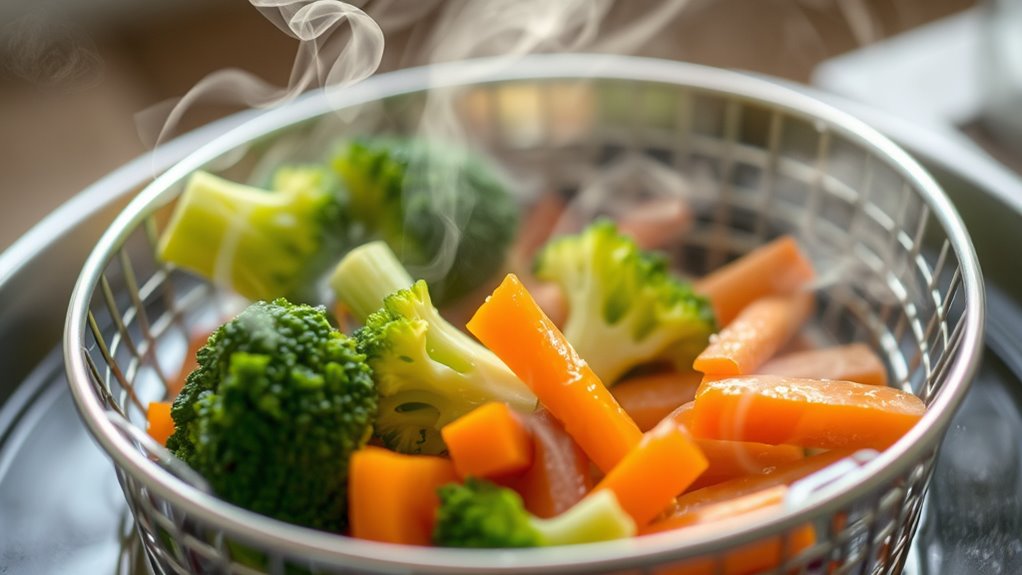
Steaming is another gentle method that relies on indirect heat. When you steam, you elevate your ingredients above boiling water, allowing steam to envelop and cook them evenly. This method is especially good for vegetables, seafood, and dumplings, as it preserves color, texture, and nutrients better than boiling. Unlike boiling, which can cause nutrients to leach into the water, steaming keeps most of these nutrients intact within the food itself. It’s quick, efficient, and doesn’t require added fat, making it a healthy choice.
Boiling and blanching are slightly more aggressive but still considered gentle compared to frying or roasting. Boiling involves submerging food in a rapidly bubbling liquid, often used for pasta, potatoes, or grains. Blanching, however, involves briefly boiling food and then plunging it into ice water to halt the cooking process. This method is excellent for preparing vegetables before freezing or further cooking, as it preserves color and texture and slows enzyme action that can cause spoilage. Additionally, understanding the cooking process and how heat affects food helps in choosing the most appropriate gentle method to preserve nutrients and quality.

OVENTE 2-Tier Electric Food Steamer, 5 Quart Stainless Steel Stackable Steam Cooker with 400W Power, 60-Minute Timer & Auto Shut-Off, Dishwasher Safe, Healthy Vegetable & Seafood Steamer, Silver FS62S
HEALTHY & OIL-FREE COOKING – Enjoy nutrient-rich meals with steam cooking that preserves vitamins, color, texture, and natural…
As an affiliate, we earn on qualifying purchases.
As an affiliate, we earn on qualifying purchases.
Frequently Asked Questions
How Do I Choose the Best Gentle Cooking Method for Vegetables?
To choose the best gentle cooking method for vegetables, consider their texture and flavor preservation. Steaming is ideal for delicate vegetables, as it keeps their texture tender and flavor intact. Boiling can cause nutrient loss, so use it for firmer vegetables if you plan to cook them longer. Blanching works well for quick prep and freezing, maintaining color and freshness. Pick the method based on how you want the texture and flavor to turn out.
Can I Combine Steaming and Boiling in One Cooking Process?
Yes, you can combine steaming and boiling in one cooking process by using multi-step gentle techniques. Start with steaming to preserve nutrients and flavor, then finish with boiling for texture or softness. This approach allows you to adapt your cooking method to different vegetables or desired results. By blending these cooking method combinations, you optimize tenderness, taste, and nutritional value, making your vegetable dishes more delicious and healthful.
What Are Common Mistakes to Avoid When Gentle Cooking?
To avoid mistakes when gentle cooking, don’t overcook vegetables, which can lead to mushiness and nutrient loss. Keep an eye on timing, as ignoring it may result in undercooked or overdone dishes. You should also use the right temperature and method for each ingredient, and avoid rushing the process. By paying attention to these details, you’ll preserve flavors, textures, and nutrients, ensuring your dishes turn out perfectly.
How Does Gentle Cooking Affect Nutrient Retention?
Gentle cooking helps preserve nutrients by minimizing heat exposure and reducing nutrient loss. You retain more vitamins, minerals, and antioxidants, which are sensitive to high temperatures and prolonged cooking. By using gentle methods, you protect antioxidant retention, ensuring your vegetables stay nutritious and flavorful. This way, you get the maximum health benefits from your ingredients, making your meals both tasty and nutrient-rich.
Are There Specific Cookware Recommendations for Steaming or Blanching?
Like a trusted friend, your steaming equipment should be sturdy and easy to use. For steaming, invest in a bamboo steamer or a stainless-steel basket that fits your pot. For blanching, use a large, deep pot with a fitted strainer or blanching tools designed for quick immersion. These tools guarantee even cooking and help you preserve nutrients, making your gentle cooking both simple and effective.

Tenta Kitchen Pasta Strainer Boiling Blanching Colander Vegetable Steamer Basket Stainless Steel Fryer Basket with Removable handle Insert for Veggie Fish Seafood Cooking and heat food 7 Inch
[No Sink Needed]: The Tenta Tenta kitchen Pasta Strainer Insert Boil Basket you can drain cooked pasta and…
As an affiliate, we earn on qualifying purchases.
As an affiliate, we earn on qualifying purchases.
Conclusion
So, next time you’re deciding whether to steam, boil, or blanch, remember that each method offers unique benefits, but all gently preserve nutrients and flavor. *Notably*, some studies suggest that steaming might retain more vitamins than boiling because it minimizes nutrient leaching. Ultimately, choosing the right method depends on your desired texture and taste. Trust your instincts and experiment—these gentle techniques can turn simple ingredients into delicious, healthy meals with little effort.

Anova Culinary Sous Vide Precision Cooker 3.0 (WiFi), 1100 Watts, Stainless Steel
Pros have been doing it for years, and now you can too. Sous vide (pronounced sue-veed) is a…
As an affiliate, we earn on qualifying purchases.
As an affiliate, we earn on qualifying purchases.

BELLA Two Tier Food Steamer with Stackable Baskets & Removable Base for Fast Simultaneous Cooking – Auto Shutoff & Boil Dry Protection, 7.4 QT, Black
STEAMING MADE SIMPLE: With 7.4 quarts of cooking capacity & two separate steaming containers, you can cook a…
As an affiliate, we earn on qualifying purchases.
As an affiliate, we earn on qualifying purchases.