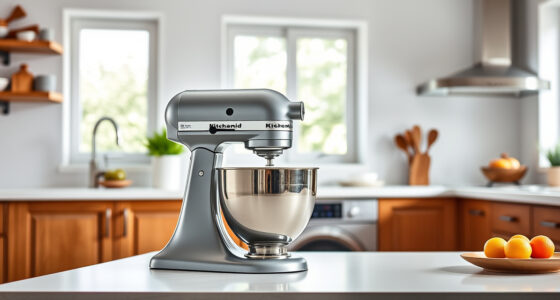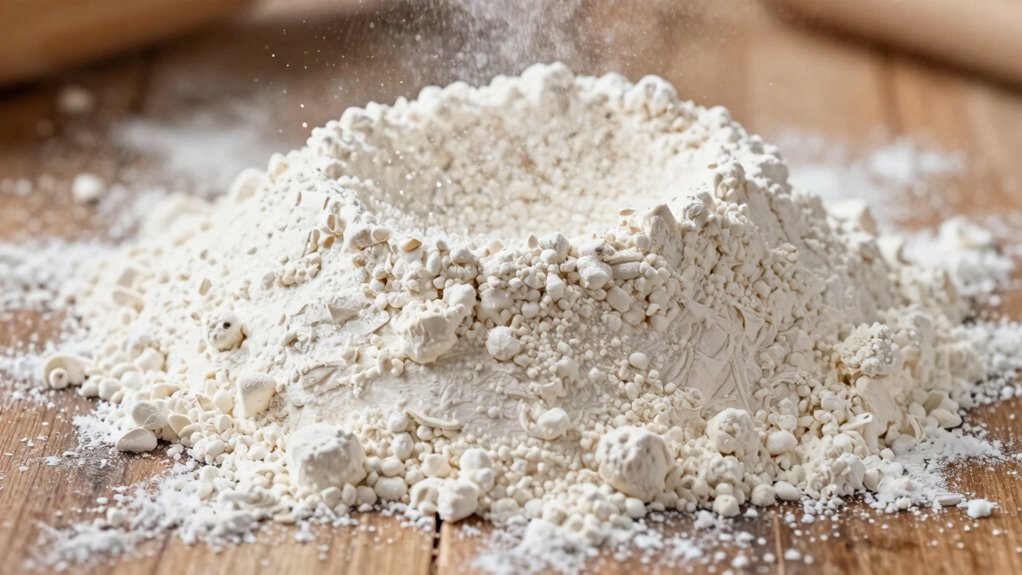

Using fresh-milled flour in baking boosts the flavor and aroma of your baked goods, making them taste richer and more vibrant. It also improves how your dough responds, rises, and develops a better crumb structure. You’ll notice enhanced texture and a fresher feel with every bake. Plus, you gain greater control over the process, ensuring better results. Keep exploring to discover how grain choices and milling techniques can elevate your baking even further.

Get kitchen staples and gadgets delivered free — and shop member deals
- Fast, free delivery on millions of items
- Access to Prime Big Deal Days deals on October 6–7
- Prime Video, Amazon Music and more included
Key Takeaways
- Enhances flavor and aroma, resulting in more vibrant baked goods.
- Improves dough responsiveness, leading to better rising and crumb structure.
- Preserves oils, enzymes, and nutrients for richer taste and nutritional benefits.
- Allows for greater control over texture, flavor, and baking outcomes.
- Adds a fresh, rustic quality that elevates the overall baking experience.
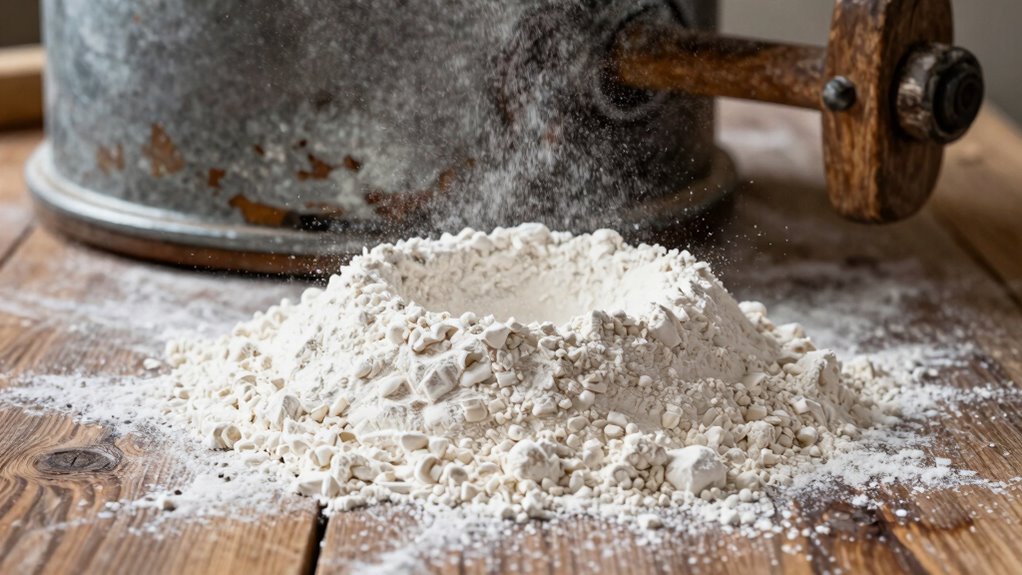
Using fresh-milled flour in baking can greatly enhance the flavor and texture of your baked goods. When you choose to mill your own flour, you’re making a conscious decision to prioritize freshness and quality, which directly impacts the final product. The key to accessing these benefits begins with careful grain selection. Opting for high-quality grains, whether they’re hard red wheat, soft white wheat, or specialty grains like spelt or emmer, allows you to tailor your flour to specific baking needs. The type of grain you select influences not only the flavor profile but also the texture and nutritional content of your baked items. For example, hearty whole grains lend a robust, nutty flavor, while softer grains produce lighter, fluffier textures. Your choice of grains sets the foundation for superior baked goods, and paying attention to their origin, freshness, and milling potential makes all the difference.
Once you’ve selected your grains, the milling techniques you use play a pivotal role in determining the quality of your flour. Unlike commercial flour, which is often heavily processed and stored for long periods, fresh milling preserves indispensable oils, enzymes, and nutrients that contribute to richer flavors and improved baking performance. The way you mill—whether using a stone mill, impact mill, or burr grinder—affects the grind size and consistency, which in turn influences how your flour interacts with liquids and leavens in baking. Fine, consistent milling creates a flour that mimics store-bought varieties but retains more of the grain’s natural oils and flavor compounds. Coarser milling, on the other hand, can add texture and a rustic appeal to bread or muffins. Developing milling techniques—such as controlling temperature, adjusting grind settings, and maintaining equipment—are indispensable for achieving peak results. Additionally, understanding how grain freshness impacts baking can help you optimize your process and produce superior baked goods. Being aware of grain storage practices can also help you maintain the quality of your grains over time and prevent spoilage. Proper storage methods, like keeping grains in a cool, dry, airtight container, ensure that their nutritional content remains intact.
Incorporating freshly milled flour into your recipes means you’re engaging in a process that emphasizes quality from the start. The freshness ensures better flavor, more nutrients, and a more vibrant aroma that commercial flours often lack. You’ll notice your doughs and batters respond differently—rising better, developing richer flavors, and exhibiting improved crumb structure. This approach also gives you control over the entire process, allowing you to experiment with different grains and milling methods to craft baked goods that are both delicious and uniquely your own. Fundamentally, your attention to grain selection and milling techniques transforms ordinary baking into a craft, delivering superior taste and texture that only fresh-milled flour can provide.
stone grain mill for fresh-milled flour
As an affiliate, we earn on qualifying purchases.
As an affiliate, we earn on qualifying purchases.
Frequently Asked Questions
How Long Does Fresh-Milled Flour Stay Fresh?
Fresh-milled flour stays fresh for about 1 to 2 weeks when stored properly. To maximize its shelf life, keep it in an airtight container in a cool, dark place or in the fridge. Proper storage tips help prevent it from going rancid or losing flavor. For longer storage, consider freezing it, but always bring it to room temperature before baking to maintain quality and freshness.
Can I Substitute Fresh-Milled Flour for Store-Bought Flour?
Yes, you can substitute fresh-milled flour for store-bought, but beware—what you gain might surprise you. The flavor enhancement and texture improvement from fresh-milled flour can elevate your baked goods to new heights. However, its moisture content and freshness vary, so you might need to tweak your recipe. Don’t be afraid to experiment; the unique qualities of fresh-milled flour could transform your baking experience.
Does Fresh-Milled Flour Affect Dough Hydration?
Yes, fresh-milled flour affects dough hydration. It has higher hydration absorption due to its intact bran and germ, which can absorb more water. This results in wetter doughs that may need adjustments in liquid amounts. Additionally, the increased bran content can impact dough elasticity, making it slightly more challenging to develop a smooth, elastic dough. You might need to experiment to find the perfect balance for your baking.
Is There a Difference in Gluten Development?
Gluten grows stronger with fresh-milled flour, creating a more resilient gluten structure. You’ll notice improved dough elasticity, making it easier to knead and shape. Because fresh flour retains more natural enzymes, it promotes active gluten development, resulting in a chewier, more flavorful loaf. So, yes, there’s a real difference in gluten development—your baked goods benefit from the vibrant energy of freshly milled grains.
How Does Milling Process Influence Flour Nutrition?
Milling process considerably impacts flour nutrition by affecting nutrient retention and enzyme activity. When you mill fresh flour, it retains more nutrients like vitamins and minerals because less processing destroys these compounds. Additionally, the enzyme activity remains higher, aiding in better dough fermentation and flavor development. This means your baked goods benefit from fresher, more nutritious flour that enhances overall texture, taste, and nutritional value, making your baking healthier and more vibrant.
As an affiliate, we earn on qualifying purchases.
Conclusion
Using fresh-milled flour in baking is like opening a window to a world of richer flavors and better nutrition. You’ll notice the difference in your bread’s texture and aroma, making every loaf feel like a warm hug. Embrace the freshness, and your baked goods will stand out with vibrant taste and health benefits. So, don’t settle for store-bought—discover the magic that freshly ground flour brings to your kitchen.
As an affiliate, we earn on qualifying purchases.
high-quality grain storage containers
As an affiliate, we earn on qualifying purchases.
As an affiliate, we earn on qualifying purchases.
NFL season / tailgating Picks
team gear
As an affiliate, we earn on qualifying purchases.