Many nutrition myths make simple eating seem complicated, like believing strict rules or quick fixes are needed for health. You might think timing meals precisely or taking supplements will speed up results, but these often distract from balanced, whole foods. Focusing on moderation, listening to your hunger cues, and letting go of restrictive diets lead to sustainable habits. If you want to understand how these myths hold you back and learn straightforward ways to eat well, keep exploring further.
Key Takeaways
- Believing rigid meal timing and strict diets over intuitive eating complicates simple, balanced nutrition.
- Overemphasis on supplements distracts from whole foods as primary nutrition sources.
- Myths about quick fixes and miracle products undermine sustainable, moderate eating habits.
- Obsessing over calorie counting and nutrient timing adds unnecessary stress, ignoring natural hunger cues.
- Simplifying healthy eating by focusing on variety and moderation avoids unnecessary complexity and confusion.

Have you ever wondered whether all those diet tips and food advice you hear are actually true? It’s easy to get overwhelmed by conflicting information about what to eat, when to eat, and how to supplement. One common myth is that meal timing is critical for weight loss or muscle gain. Some say you must eat every few hours, while others insist that fasting or skipping meals can boost metabolism. The truth is, your body doesn’t operate on a strict clock. What matters most is your overall daily intake and consistency, not precisely when you eat. If you’re hungry, eat; if you’re not, don’t force yourself to snack just because a certain “ideal” time has passed. The emphasis on meal timing often distracts you from focusing on balanced, nutritious foods and meeting your caloric needs. Instead of stressing over timing, aim for regular, wholesome meals that satisfy you and support your activity levels. Additionally, your body’s natural hunger signals are a reliable guide, emphasizing the importance of listening to your physiological cues. Developing an understanding of your body’s natural rhythms can help you maintain a more intuitive and sustainable eating pattern. Recognizing how your body’s internal signals influence your hunger and fullness can promote healthier eating habits over time. It’s also helpful to understand that your internal cues are influenced by your overall hormonal balance, which can vary based on factors like sleep, stress, and diet. Moreover, understanding these internal mechanisms can empower you to make more mindful and personalized food choices.
Similarly, supplement claims are often misleading. You might see ads promising rapid fat loss, muscle gains, or enhanced energy with a pill or powder. These claims often sound too good to be true—and they usually are. Many supplements lack solid scientific backing, and some can even be harmful. It’s tempting to believe you need them to reach your goals, but most of your nutrition should come from real, whole foods. Supplements can fill gaps in your diet, but they shouldn’t replace healthy eating habits. Remember, if a product claims to dramatically change your body overnight, it’s probably overselling. Trustworthy nutrition is built on consistent, balanced eating habits rather than quick fixes or miracle pills.
The biggest myth that keeps simple eating complicated is the idea that you need to follow strict rules or complicated routines to be healthy. The truth is, healthy eating is straightforward—prioritize whole foods like vegetables, fruits, lean proteins, whole grains, and healthy fats. Avoid obsessing over every calorie or nutrient and focus on variety and moderation. You don’t need to cut out entire food groups or follow extreme diets to see results. Instead, listen to your body’s hunger cues, enjoy your meals, and be patient with your progress. Letting go of these myths will free you from unnecessary stress and help you develop a sustainable, enjoyable approach to eating. Remember, simplicity often leads to the best results.

Dr. Berg Whole Food Multivitamin with Minerals – Daily Multivitamin for Men and Women – Includes Premium Whole Food Fruits and Vegetable Blend with Folate, Alpha-lipoic Acid and More – 60 Capsules
𝗪𝗛𝗢𝗟𝗘 𝗙𝗢𝗢𝗗 𝗠𝗨𝗟𝗧𝗜𝗩𝗜𝗧𝗔𝗠𝗜𝗡 – Formerly known as Keto Energy, this multivitamin is packed full of vitamins, minerals, superfoods…
As an affiliate, we earn on qualifying purchases.
As an affiliate, we earn on qualifying purchases.
Frequently Asked Questions
How Do Nutrition Myths Influence Children’s Eating Habits?
Nutrition myths shape children’s eating habits by influencing their preferences and perceptions. When parents believe and share these myths, they may push unhealthy foods or restrict healthy ones, impacting child preferences. Your role is essential; by providing accurate info and modeling good eating habits, you can counteract myths. This helps children develop balanced habits and avoid the confusion caused by misleading nutrition advice.
Are Detox Diets Truly Beneficial or Just Marketing Scams?
Detox diets often seem beneficial, promising rapid health boosts, but they’re mostly marketing scams. While some detox benefits might include temporary weight loss or feeling refreshed, these diets usually deprive your body of essential nutrients. Your body naturally detoxifies itself through the liver and kidneys. Instead of falling for marketing scams, focus on balanced eating, staying hydrated, and exercising regularly for sustainable health benefits.
What’s the Impact of Social Media on Nutrition Misinformation?
Social media profoundly impacts your nutrition knowledge by spreading misinformation through influencer credibility and algorithm influence. When influencers promote fad diets or unproven health tips, it can mislead you into unhealthy choices. The algorithm influence amplifies these messages, making them seem popular and trustworthy. You need to critically evaluate sources, question influencer claims, and rely on credible nutrition information to avoid falling for misleading diet trends.
Can You Trust Celebrity-Endorsed Health Claims?
You shouldn’t fully trust celebrity-endorsed health claims, especially since studies show 60% of people are skeptical about supplement ads. Celebrity influence often skews perceptions, making their endorsements more about marketing than facts. They lack the scientific backing needed for trustworthy health advice. Instead, rely on credible sources and consult healthcare professionals to make informed choices, avoiding the misleading hype that celebrity endorsements can sometimes promote.
How Do Cultural Beliefs Shape Nutrition Misconceptions?
Cultural beliefs and rituals considerably influence your understanding of nutrition, often leading to misconceptions. Traditional beliefs may endorse specific foods as healing or taboo, shaping your dietary choices based on cultural norms rather than scientific evidence. These cultural influences can reinforce myths, making it harder to adopt balanced eating habits. Recognizing that cultural rituals shape your perceptions helps you critically evaluate nutritional advice and focus on evidence-based choices for better health.

A Parent's Guide to Intuitive Eating: How to Raise Kids Who Love to Eat Healthy
As an affiliate, we earn on qualifying purchases.
As an affiliate, we earn on qualifying purchases.
Conclusion
So, next time you’re about to follow a trending diet or dismiss a food as “bad,” remember: the biggest myth might be how much you think you know. The truth about simple eating isn’t hidden in complicated rules or secret superfoods—it’s in questioning what you’re told. But here’s the catch: uncovering these truths might just change everything you thought you understood about nutrition. Are you ready to see what lies beneath the myths?
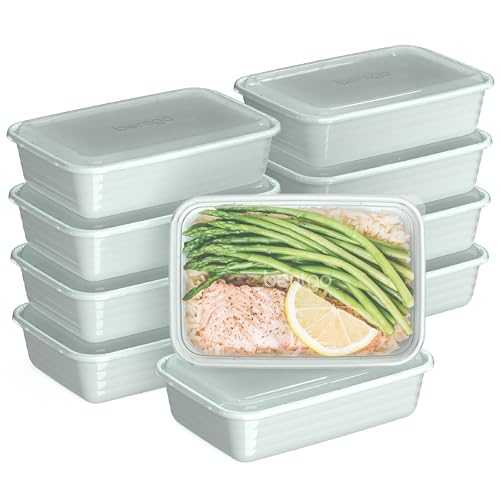
Bentgo Prep – 20-Piece 1-Compartment Reusable Meal Prep Containers with Lids, PFAS & BPA Free Materials, Durable, Microwave, Freezer, & Dishwasher Safe To Go Food Storage (Mint)
#1 Brand Pick for Meal Prep Containers: Bentgo is the top pick for meal prep containers!* This lightweight,…
As an affiliate, we earn on qualifying purchases.
As an affiliate, we earn on qualifying purchases.
hunger cue tracking app
As an affiliate, we earn on qualifying purchases.
As an affiliate, we earn on qualifying purchases.