

Listening to your body’s needs is at the heart of intuitive eating. Trust your natural hunger and fullness signals instead of following strict diets or external rules. Slow down during meals, savor each bite, and observe how different foods make you feel. Recognize emotional triggers and honor your cravings without guilt. By doing so, you create a more satisfying and balanced relationship with food. Keep exploring these practices to deepen your connection with your body’s wisdom.
Key Takeaways
- Trust and observe your hunger and fullness cues to guide eating decisions naturally.
- Practice mindful eating by slowing down, savoring each bite, and paying attention to how foods affect your body.
- Recognize emotional triggers that influence eating, and develop alternative coping strategies like journaling or deep breathing.
- Honor your cravings without guilt, understanding that all foods can fit into a balanced, non-restrictive diet.
- Cultivate awareness of bodily responses to food to create sustainable, satisfying, and intuitive eating habits.

Have you ever wondered if there’s a way to enjoy food without guilt or restrictions? Intuitive eating offers that freedom, encouraging you to trust your body’s signals rather than following external diets. At its core, it’s about reconnecting with your natural hunger and fullness cues, but it also involves developing mindful digestion. When you pay close attention to how food feels in your body, you become more aware of your true needs, rather than eating out of habit or emotional triggers. Mindful digestion means slowing down, savoring each bite, and noticing how different foods affect your energy and comfort levels. This practice helps you tune into your body’s responses, making eating a more conscious and satisfying experience. Instead of rushing through meals or eating mindlessly, you learn to observe the sensations of hunger and fullness, which can prevent overeating and promote better digestion. By practicing mindful digestion, you gain insight into what foods truly nourish you, both physically and emotionally. Incorporating proper food preparation techniques can further enhance your ability to listen to your body’s signals and improve digestion.
However, it’s important to recognize that emotional triggers often influence eating habits. Stress, boredom, loneliness, or anxiety can prompt you to reach for comfort foods, sometimes regardless of actual hunger. Intuitive eating invites you to become more aware of these emotional triggers so you can address them differently. Rather than using food as a quick fix, you learn to pause, identify what you’re feeling, and explore healthier ways to cope. This might involve taking a walk, practicing deep breathing, journaling, or simply giving yourself permission to feel your emotions instead of suppressing them with food. Over time, this awareness helps reduce emotional eating and builds a healthier relationship with food.
Trusting your body also means respecting its signals and avoiding the guilt often associated with cravings or indulgences. When you listen to your body’s needs, you realize that all foods can fit into a balanced approach, as long as you pay attention to your internal cues. There’s no need for strict rules or deprivation—just a compassionate awareness of what your body is asking for at any moment. By integrating mindful digestion and understanding emotional triggers, you create a more sustainable and joyful way to eat. It’s about honoring your body’s wisdom, allowing you to enjoy food fully without shame or restriction. This process empowers you to develop a healthier, more intuitive connection with your body’s needs, making every meal an opportunity for nourishment and self-care.

Ninja Air Fryer Toaster Oven Combo | 8-in-1 Functionality | Flip Up & Away for Storage Space | Air Fry Basket, Sheet Pan, Wire Rack & Removable Crumb Tray |1800 Watt | Stainless Steel | SP151
RECLAIM YOUR COUNTER SPACE: Takes up 50% less space when you flip it up and away to store...
As an affiliate, we earn on qualifying purchases.
Frequently Asked Questions
How Can I Start Practicing Intuitive Eating Today?
You can start practicing intuitive eating today by cultivating mindful awareness around your hunger and fullness cues. Begin paying attention to how your body feels before, during, and after meals. Incorporate simple meal planning to guarantee balanced choices, but stay flexible. Trust your body’s signals instead of external rules, and enjoy eating without guilt. This approach helps you reconnect with your natural appetite and develop a healthier relationship with food.
What if I Struggle to Identify My Body’s Hunger Signals?
If you struggle to identify your body’s hunger signals, start by practicing mindful awareness. Pause during the day and check in with yourself, asking if you’re truly hungry or just bored or stressed. Pay close attention to your hunger cues, like a growling stomach or low energy. Over time, this helps you better recognize genuine hunger, making it easier to respond appropriately and honor your body’s needs.
Can Intuitive Eating Help With Emotional Eating?
Coincidences often reveal that intuitive eating can indeed help with emotional eating. By cultivating mindful awareness, you learn to recognize emotional triggers rather than respond automatically. This practice enhances emotional regulation, allowing you to differentiate between physical hunger and emotional needs. Over time, you develop healthier coping strategies, reducing emotional eating’s hold on you. Embracing this approach fosters a compassionate relationship with food and your emotions.
How Do I Handle Social Situations When Practicing Intuitive Eating?
When practicing intuitive eating in social situations, focus on mindful socializing by staying present and aware of your body’s cues. Don’t feel pressured to eat just because others do; listen to your hunger and fullness signals. Seek peer support by sharing your goals with trusted friends who respect your choices. This approach helps you enjoy social events without guilt, maintaining your intuitive eating journey confidently.
Is Intuitive Eating Suitable for Weight Loss Goals?
Absolutely, intuitive eating can help with weight loss by freeing you from calorie counting and diet restrictions that often lead to frustration. Instead of obsessing over every bite, you listen to your body’s signals, which naturally guide you to healthier choices and portion sizes. This sustainable approach reduces the cycle of deprivation and bingeing, making weight loss feel more like a gentle, natural process rather than a harsh diet battle.
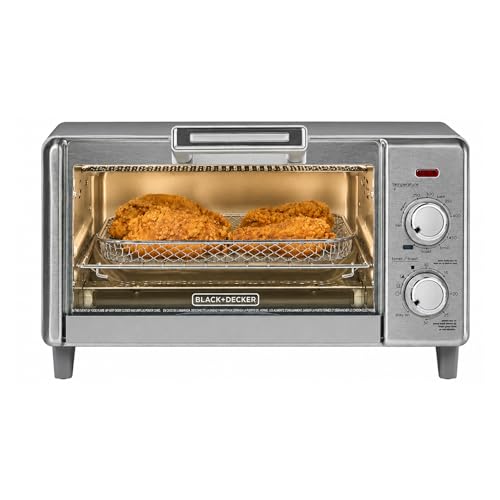
BLACK+DECKER Crisp 'N Bake Air Fry Countertop Convection Toaster Oven, Medium Capacity, 4-Slice, 5-in-1, Fits 9” Pizza, 30-Min Timer, Bake, Broil, Air Fry, Toast, Keep Warm, Stainless Steel
5-IN–1 MULTIFUNCTIONAL COOKING- Enjoy versatile cooking with Air Fry, Bake, Broil, Toast, and Keep Warm settings. Perfect for...
As an affiliate, we earn on qualifying purchases.
Conclusion
Now that you’re learning to trust your body’s signals, a whole new world of eating awaits. But will you always listen, even when temptation whispers differently? The more you practice, the more you’ll uncover hidden truths about your cravings and habits. Are you ready to embrace this journey and release a deeper connection with your body? The next step could change how you see food—and yourself—forever. Are you prepared to take it?
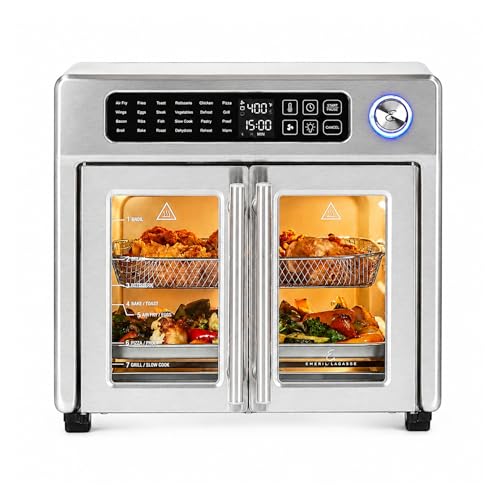
Emeril Lagasse Extra Large French Door Air Fryer Toaster Oven Combo, 24 Cooking Functions and Digital Controls, 7 Accessories Included, Stainless Steel Finish, 26QT Capacity
A VERSATILE AIR FRYER AND MULTI-COOKER COMBO: Elevates practically any meal, from air frying quick after-school snacks to...
As an affiliate, we earn on qualifying purchases.

Nuwave Bravo Air Fryer Toaster Smart Oven, 12-in-1 Countertop Convection, 30-QT XL Capacity, 50°-500°F Temperature Controls, Top and Bottom Heater Adjustments 0%-100%, Brushed Stainless Steel Look
MAKE ADJUSTMENTS ON-THE-FLY – Want hotter temperature or need to cook it longer? No problem. Simply adjust on-the-fly...
As an affiliate, we earn on qualifying purchases.