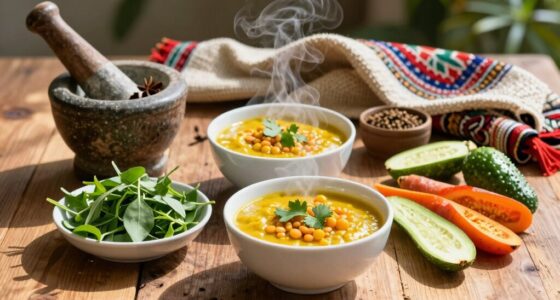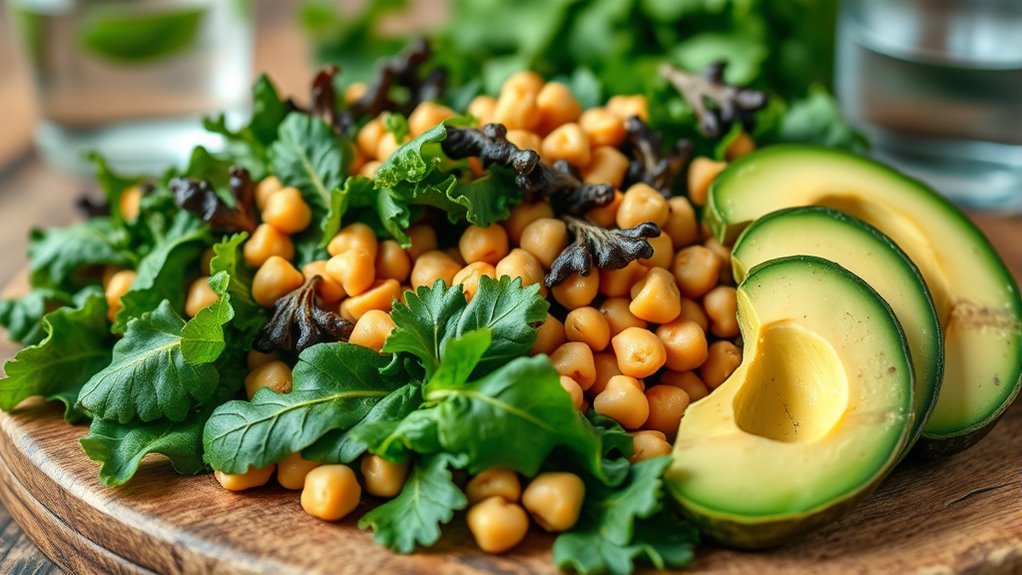

Many believe plant-based proteins are nutritionally inadequate or can’t support muscle growth, but science says otherwise. Modern research shows plant proteins can be just as digestible and effective as animal sources when properly paired and varied. Combining different plant foods ensures complete amino acid profiles, helping you build and maintain muscle. If you’re curious about how to maximize plant proteins for your health and fitness, keep exploring the facts supported by science.

Get kitchen staples and gadgets delivered free — and shop member deals
- Fast, free delivery on millions of items
- Access to Prime Big Deal Days deals on October 6–7
- Prime Video, Amazon Music and more included
Key Takeaways
- Plant proteins can be as effective as animal proteins for muscle growth when properly paired and consumed in sufficient quantities.
- Modern research shows many plant-based proteins have high digestibility and bioavailability, supporting effective nutrient absorption.
- Combining different plant sources, such as beans and grains, creates complete amino acid profiles necessary for muscle repair.
- A well-planned plant-based diet provides all essential amino acids, debunking myths that it cannot support muscle building.
- Scientific evidence confirms that athletes can build and maintain muscle on plant-based diets using diverse protein sources and powders.
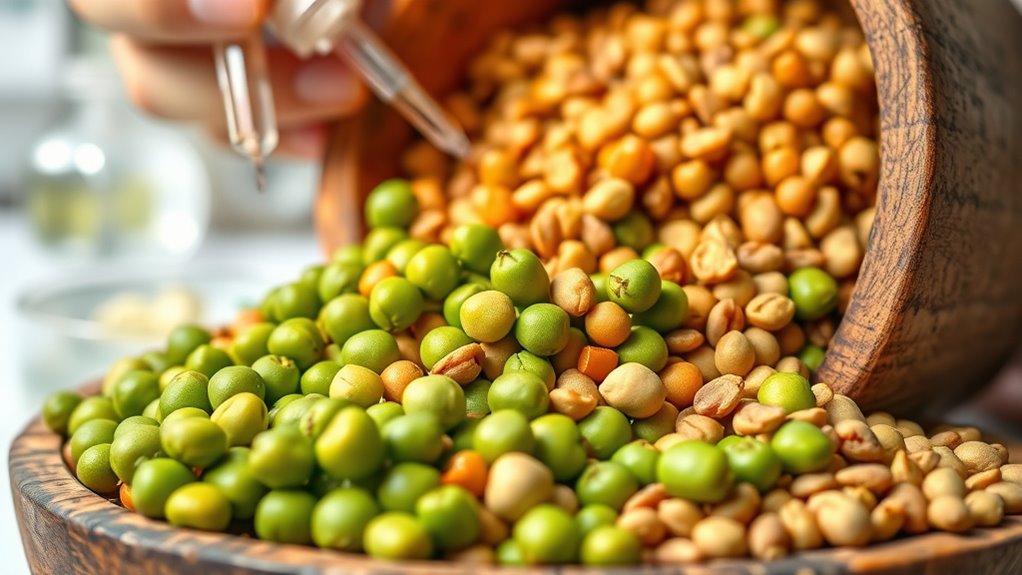
Many people believe that plant-based proteins can’t provide enough nutrition or muscle-building power, but these myths often stem from outdated information. In reality, plant proteins can be just as effective as animal sources when it comes to supporting your health and fitness goals. The key lies in understanding how your body absorbs protein and how different sources compare in amino acid profiles. Protein absorption is the process by which your body breaks down food into amino acids, the building blocks of muscle and tissue repair. While some assume plant proteins are less digestible, recent studies show that many plant-based options have high digestibility scores, meaning your body can efficiently absorb and utilize them. Additionally, the importance of proper amino acid intake cannot be overstated, as it ensures your body has all essential nutrients for muscle synthesis. Another common misconception revolves around amino acid profiles. Animal proteins are often labeled as complete because they contain all nine essential amino acids in adequate amounts. However, many plant proteins are considered incomplete, lacking one or more of these amino acids. The good news is that by combining various plant sources—like beans and rice or hummus and whole wheat—you can create a complete amino acid profile. This approach ensures your body gets all the nutrients it needs for muscle synthesis and repair. You don’t need to rely solely on animal products to meet your amino acid requirements; plant-based diets can be perfectly balanced through mindful pairing and variety. Furthermore, the idea that plant-based proteins can’t support muscle growth is outdated. Scientific evidence demonstrates that athletes and fitness enthusiasts can build and maintain muscle on plant-based diets. The key is consuming enough total protein and ensuring diverse sources to cover all amino acid needs. For instance, legumes are rich in lysine, while grains provide methionine—together, they complement each other, maximizing muscle repair and growth. You might also consider plant-based protein powders derived from peas, rice, or hemp, which are formulated to deliver concentrated amounts of essential amino acids, making it easier to meet your daily protein targets.
Frequently Asked Questions
How Do Plant Proteins Compare to Animal Proteins in Muscle Building?
When comparing plant and animal proteins for muscle building, plant amino acids may seem less complete, but consuming a variety of plant sources guarantees you get all essential amino acids. Protein digestibility can vary, but many plant proteins are highly digestible. You can effectively build muscle by combining different plant proteins, making them just as beneficial as animal proteins, especially when you pay attention to overall intake and amino acid profiles.
Can Plant-Based Diets Provide All Essential Amino Acids?
Think of your diet as a puzzle, and plant-based foods as the pieces. Yes, soy protein and other plant sources have diverse amino acid profiles, but they can be incomplete alone. That’s why mixing foods like beans and grains creates a full spectrum, ensuring you get all essential amino acids. With strategic planning, your plant-based diet can fully support your nutritional needs, like a well-orchestrated symphony.
Are Plant Proteins Truly Complete Proteins?
You might wonder if plant proteins are truly complete proteins. While some contain all essential amino acids, plant protein absorption varies, and amino acid variability exists among sources. However, by combining different plant foods, you can guarantee you get all necessary amino acids. So, yes, plant proteins can be complete when you diversify your diet, supporting your health without relying solely on animal products.
Do Plant-Based Proteins Contain Enough Iron and Zinc?
Like a trusty knight wielding a smartphone, you might wonder if plant-based proteins pack enough iron and zinc. Rest assured, many plant-based supplements offer ample amounts, and when paired properly, they boost your nutrient intake. While some plant proteins have lower protein absorption rates, combining diverse sources like beans and seeds can bridge the gap. You’ll find that with mindful choices, your plant-based diet meets your iron and zinc needs confidently.
How Do Plant Proteins Impact Long-Term Health Outcomes?
You might wonder how plant proteins affect your long-term health. Consuming plant-based proteins can improve fiber digestion and support a healthy gut microbiome, which are essential for overall well-being. Over time, these benefits may lower your risk of chronic diseases like heart disease and diabetes. By including a variety of plant proteins, you promote better digestion and gut health, leading to positive long-term health outcomes.
Conclusion
Just like a skilled gardener tending a diverse, thriving garden, you see that plant-based proteins aren’t just simple seeds but vibrant blooms full of potential. Don’t let myths be weeds choking your curiosity. Embrace the truth, nurture your knowledge, and watch your understanding grow strong and resilient. With science as your guide, you can confidently harvest the benefits of plant proteins, turning your dietary garden into a colorful, nourishing paradise.
NFL season / tailgating Picks
team gear
As an affiliate, we earn on qualifying purchases.