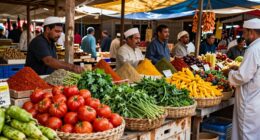

Slow food champions mindful eating, sustainability, and supporting local farms, while fast food prioritizes speed and convenience. With slow food, you savor meals, appreciate craftsmanship, and help preserve cultural and culinary traditions. It encourages eco-friendly practices and healthier choices, fostering stronger community ties. If you want to understand how slow food can transform your eating habits and benefit the planet, there’s much more to discover below.
Key Takeaways
- Slow food emphasizes mindful, traditional preparation, while fast food prioritizes quick, convenience-driven meals.
- Slow food supports sustainable farming and local sourcing; fast food relies on mass production and processed ingredients.
- Slow food fosters community, cultural preservation, and biodiversity; fast food promotes uniformity and globalized tastes.
- Slow food encourages seasonal, fresh ingredients and cooking at home; fast food emphasizes speed and ready-to-eat options.
- The “slow movement” aims to build resilient, environmentally friendly food systems versus the speed and disposability of fast food.
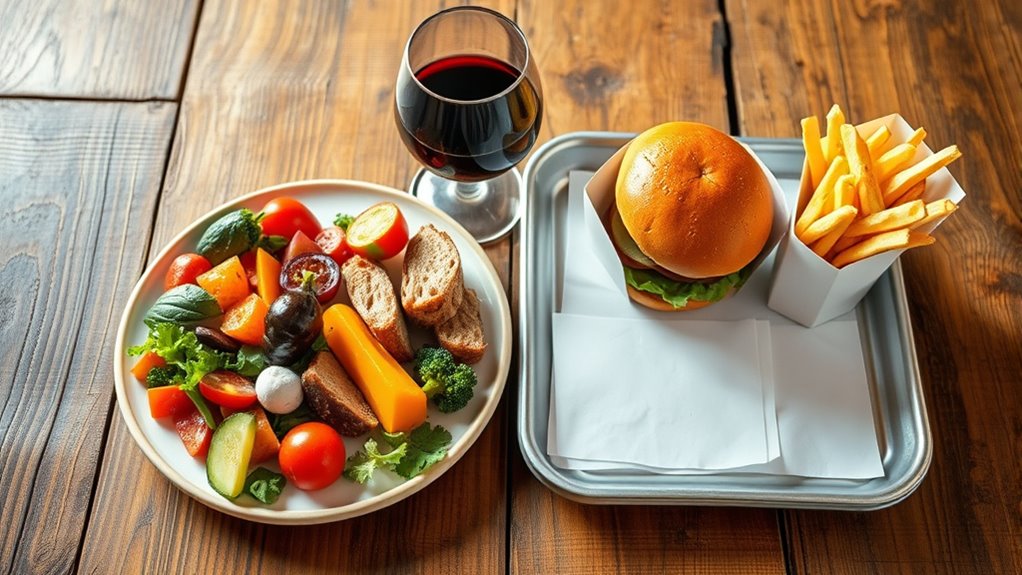
In today’s busy world, it’s easy to opt for fast food, but slowing down to enjoy slow food can transform your eating experience. Slow food emphasizes mindful consumption, supporting sustainable farming practices that prioritize environmental health and local economies. When you choose slow food, you’re often selecting ingredients from farms that use eco-friendly methods, reducing your ecological footprint. This approach encourages urban eating that connects city dwellers with regional producers, fostering a sense of community and awareness about where your food comes from. Instead of processed meals designed for convenience, slow food invites you to savor fresh, thoughtfully prepared dishes, making every bite more meaningful.
Choosing slow food means savoring fresh, mindful meals that support sustainability and community connection.
By engaging in slow food practices, you support sustainable farming, which aims to preserve biodiversity, improve soil health, and minimize chemical use. This isn’t just about eating; it’s about fostering a lifestyle that respects the planet and its resources. When you prioritize slow food, you’re contributing to a system that values quality over quantity, ensuring that farmers are compensated fairly and that the land remains productive for future generations. Urban eating becomes more than grabbing a quick snack—it becomes a conscious act of reconnecting with local food sources, supporting small-scale farmers, and reducing the carbon footprint associated with long-distance food transportation.
The slow food movement encourages you to explore local markets, participate in community-supported agriculture, and learn about the origins of your ingredients. It’s about making informed choices rather than succumbing to the fast-paced, convenience-driven culture of fast food. This shift can also influence how you plan your meals, inspiring you to cook at home, experiment with seasonal produce, and appreciate the time it takes to prepare wholesome dishes. Not only does this improve your health, but it also strengthens the bonds between consumers and producers, creating a more resilient food system. Additionally, choosing slow food can introduce you to sustainable farming methods, which are vital for maintaining the health of the environment and ensuring food security for future generations. Incorporating seasonal eating into your routine can further enhance your connection to the land and reduce the reliance on energy-intensive imports.
In contrast to fast food’s emphasis on speed and uniformity, slow food celebrates diversity, tradition, and craftsmanship. It invites you to slow down and enjoy the process, from farm to table, fostering a deeper appreciation for the effort involved in producing your meal. By embracing slow food, you contribute to a more sustainable future, support local economies, and cultivate a more mindful approach to eating. Whether you’re dining in or cooking at home, the slow movement offers a fulfilling alternative that nourishes your body, mind, and the planet alike. Supporting local food systems also helps to build resilient communities that can better withstand economic or environmental challenges. It also encourages cultural preservation, helping to maintain culinary traditions and regional flavors that might otherwise be lost in a fast-food culture. Recognizing the importance of biodiversity in food production can further reinforce the benefits of slow food choices.

Riveira Dark Bamboo Wooden Spoons for Cooking 6-Piece, Apartment Essentials Wood Spatula Spoon Nonstick Kitchen Utensil Set Premium Quality Housewarming Gifts for Everyday Use
PREMIUM ORGANIC MATERIAL – Unlike the cheap wooden spoons found on the market today, this deluxe assortment of…
As an affiliate, we earn on qualifying purchases.
As an affiliate, we earn on qualifying purchases.
Frequently Asked Questions
How Can Individuals Support the Slow Food Movement Locally?
You can support the slow food movement locally by shopping at community markets and choosing produce from local farmers. This helps promote sustainable farming practices and keeps money within your community. Attend farm-to-table events, learn about where your food comes from, and share these experiences with others. Your choices encourage a food culture that values quality, tradition, and environmental responsibility, making a positive impact right in your neighborhood.
What Are the Environmental Impacts of Slow Versus Fast Food?
They say “you are what you eat,” and that’s true for the environment too. Slow food generally has a lower carbon footprint because it emphasizes local, sustainable ingredients and reduces packaging waste. Fast food’s reliance on mass production and disposable packaging increases environmental harm. By choosing slow food options, you support sustainable packaging practices and lessen your ecological impact, helping create a healthier planet.
Can Fast Food Be Sustainable or Eco-Friendly?
Yes, fast food can be more sustainable or eco-friendly if it incorporates practices like urban farming and reduces food waste. By sourcing ingredients locally through urban farming, you cut down transportation emissions and support local ecosystems. Also, minimizing food waste means less landfill contribution. If fast food chains adopt these strategies, they can lessen their environmental impact and become more aligned with sustainability goals.
How Does Slow Food Influence Community Health?
Imagine your community as a garden, blossoming with health and vigor. Slow food nurtures this garden by promoting sustainable practices that enhance community well-being. It encourages shared meals and local ingredients, which boost nutritional benefits and foster stronger bonds. As a result, you experience healthier lifestyles, reduced chronic illnesses, and a vibrant, connected community that flourishes from the roots of mindful eating and collective care.
What Challenges Does the Slow Food Movement Face Worldwide?
You’ll find that the slow food movement faces challenges like preserving cultural traditions amid globalization and managing complex supply chains. These issues make it hard to keep local flavors alive and guarantee fresh, sustainable ingredients. You might also struggle with higher costs and limited accessibility, which can hinder widespread adoption. Overcoming these hurdles requires balancing cultural preservation with efficient supply chain practices to promote a more sustainable, community-focused food system.

OGGN Wooden Oval Serving Bowl 8.5"x4" – Handcrafted Wooden Salad Bowl for Kitchen, Rustic Mixing Bowl, Natural Neem Soup Server, Antique Snack Dish, Organic Dinnerware, Farmhouse Cookware
HANDCRAFTED NEEM WOOD SERVING BOWL: This beautifully carved wooden bowl is made from natural neem wood, known for…
As an affiliate, we earn on qualifying purchases.
As an affiliate, we earn on qualifying purchases.
Conclusion
So, next time you’re choosing between slow and fast food, ask yourself: are you prioritizing quality and sustainability or convenience? Embracing the slow movement means savoring better food, supporting local producers, and making mindful choices. Isn’t it worth taking a moment to enjoy your meal and contribute to a healthier planet? Remember, your food choices shape the world around you—so why not choose consciously and make a lasting impact?

5 PCS Large Fruit Containers for Fridge – Leakproof Food Storage Containers with Removable Colander – Dishwasher & microwave safe Produce Containers Keep Fruits, Vegetables, Berry, Meat Fresh longer
5 packs : You will get 5 fridge storage containers with colander size from 300 ml to 4200…
As an affiliate, we earn on qualifying purchases.
As an affiliate, we earn on qualifying purchases.

TOP XIAN 5-Layer Worm Compost Bin, 85L Worm Composter for Indoor & Outdoor, Starter Kits for Vermicomposting Starter, Garden Worm Composting Bin for Recycling Food Waste (Black)
85L COMPOST BIN: TOP XIAN NEW Worm Composters are made of high-quality black PP plastic, the total capacity…
As an affiliate, we earn on qualifying purchases.
As an affiliate, we earn on qualifying purchases.