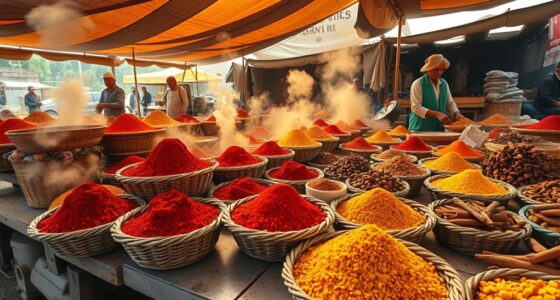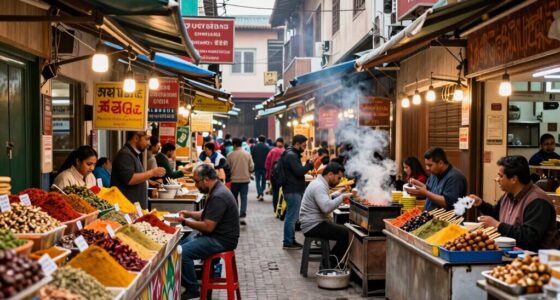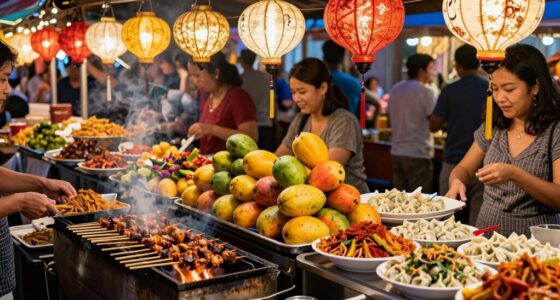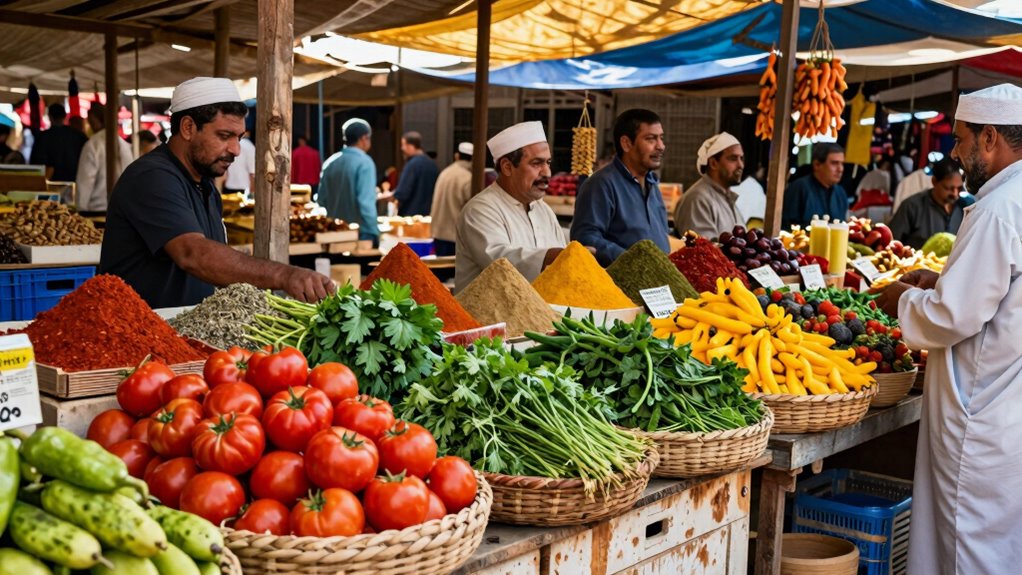

Visiting local markets during your culinary journey immerses you in authentic flavors and vibrant culture. You get to interact directly with vendors, learning stories, techniques, and the history behind each ingredient. This lively setting reveals regional diversity and fosters community connections. You’ll discover unexpected foods and traditions that can’t be found in cookbooks. Keep exploring to uncover even more tastes and stories that truly make your experience memorable.
Key Takeaways
- Market visits offer authentic cultural insights by showcasing regional flavors, ingredients, and traditional food practices firsthand.
- They deepen understanding of local cuisine through interactions with vendors and tasting fresh, unfiltered regional foods.
- Markets foster community connections, highlighting social bonds, shared stories, and cultural practices beyond typical tourist experiences.
- They reveal regional biodiversity and farming practices, emphasizing sustainability and the origin of ingredients.
- Spontaneous encounters and hidden vendors create memorable culinary discoveries and personal stories that enrich travel experiences.
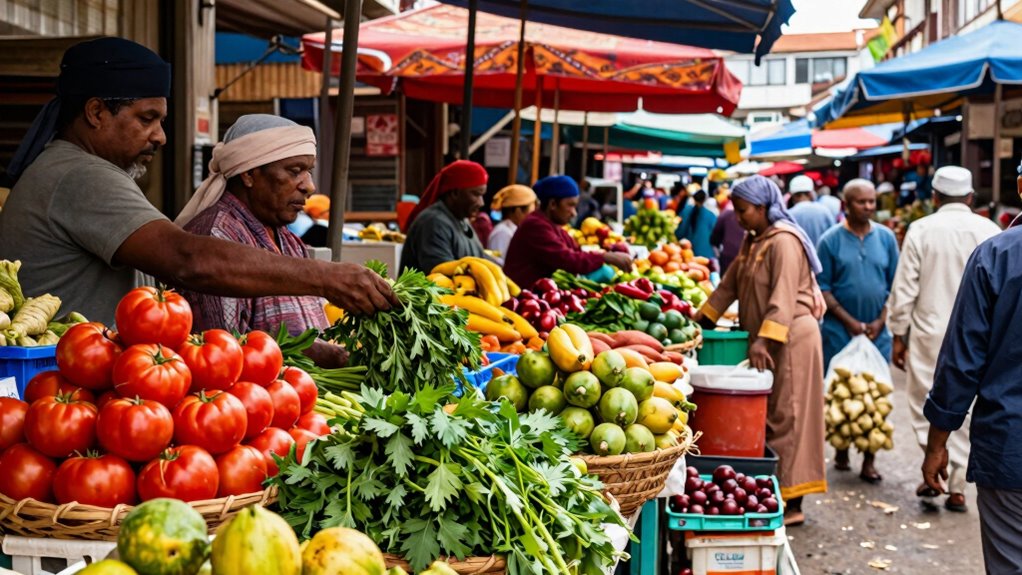
Exploring local markets is a cornerstone of culinary travel, offering an authentic glimpse into a region’s flavors and food culture. When you step into these bustling spaces, you immediately become part of the local scene. You get to interact directly with vendors, who often serve as living repositories of tradition and culinary knowledge. These local vendor interactions aren’t just transactions; they’re opportunities to learn about the ingredients, cooking techniques, and stories behind the food. This direct engagement makes your experience more personal and memorable, transforming simple shopping into a cultural exchange.
As you walk through vibrant stalls filled with colorful produce, spices, and prepared foods, you start to understand what makes the region’s cuisine unique. Each vendor has their own story, their own way of preparing and presenting their products, which adds depth to your understanding of local flavors. You might ask about a particular spice or ingredient, and in doing so, uncover centuries-old culinary traditions that you wouldn’t find in a cookbook or restaurant menu. These authentic food experiences are what truly set market visits apart from other culinary adventures. They allow you to taste the essence of a place in its raw, unfiltered form.
The energy of a local market is contagious. You’ll find locals bargaining, sharing recipes, and exchanging stories. This lively atmosphere helps you see how food connects people and sustains communities. It’s in these interactions that you gain insight into the culture beyond what’s written in guidebooks. You start to see the importance of seasonal ingredients, the regional specialties, and the everyday practices that shape the local palate. It’s not just about buying ingredients; it’s about immersing yourself in the community’s way of life. Visiting markets also offers a window into biodiversity, highlighting the variety of ingredients that thrive in different regions and how they contribute to regional cuisines.
Furthermore, market visits often lead to unexpected culinary discoveries. You might stumble upon a hidden gem—a vendor making a traditional snack or a fruit you’ve never seen before. These spontaneous encounters often become the highlight of your trip, offering a taste of authenticity you can’t get anywhere else. Visiting markets also provides an opportunity to observe local farming practices, showcasing how the ingredients are cultivated and brought to market. You leave the market with more than just souvenirs; you carry stories, flavors, and connections that deepen your appreciation for the region’s cuisine. Ultimately, it’s these genuine interactions and real food experiences that make market visits the most enriching part of your culinary journey.

Rhine Christmas Market Cruise Guide 2025-2026: Plan the Perfect Holiday River Journey with City Stopovers, Festive Foods, and Local Shopping Tips
As an affiliate, we earn on qualifying purchases.
As an affiliate, we earn on qualifying purchases.
Frequently Asked Questions
How Do You Navigate Language Barriers at Local Markets?
You navigate language barriers by learning basic phrases and using gestures to communicate. Respect cultural etiquette, like greeting vendors politely and smiling, which helps build trust. Carry a translation app or phrasebook for tricky words. When bargaining, observe local bargaining techniques and stay friendly, even if you don’t speak perfectly. This approach shows your respect for their culture and makes the experience more enjoyable and authentic.
What Safety Tips Should You Follow During Market Visits?
Did you know that 60% of travelers face safety issues during market visits? To stay safe, follow cultural etiquette by asking permission before photographing vendors or their goods. Keep an eye on your belongings and avoid flashy jewelry that could attract attention. Respect local customs, stay aware of your surroundings, and move confidently. These simple safety tips guarantee you enjoy your market experience while staying secure and respectful of the community.
How Can You Support Local Vendors Ethically?
You can support local vendors ethically by practicing cultural appreciation and prioritizing ethical sourcing. Respect their traditions, ask permission before taking photos, and engage genuinely with their stories. Choose vendors who prioritize sustainable practices and fair trade. By consciously supporting businesses that value community and environmental health, you help preserve local culture and promote responsible tourism, ensuring your culinary experience benefits both the vendors and the broader community.
Are Market Visits Suitable for Travelers With Dietary Restrictions?
Of course, market visits are perfect for travelers with dietary restrictions—who wouldn’t want to navigate a maze of ingredient transparency? While you might need to ask about dietary accommodations, these visits offer genuine insight into local produce and traditions. Just stay alert, ask questions, and you’ll discover delicious options tailored to your needs. After all, exploring markets is about immersing yourself and respecting local ingredients—restrictions included.
What Are the Best Times to Visit Markets for Authentic Experiences?
You should visit markets early in the morning or during peak hours to soak up authentic vibes. Morning visits often let you see fresh produce and local rituals, while late mornings or afternoons may coincide with cultural festivals or cooking classes happening nearby. These times give you genuine insights into local traditions, flavors, and daily life, making your culinary travel truly immersive and unforgettable.

Simply Organic Mini Spices Gift Set (12 FLAVORS)-by AUUOO
As an affiliate, we earn on qualifying purchases.
As an affiliate, we earn on qualifying purchases.
Conclusion
So, next time you’re exploring a new city, don’t just stick to restaurants—dive into the local markets. They’re where authentic flavors come alive and stories are told through vibrant sights and smells. Did you know that over 70% of travelers say market visits markedly enhance their culinary experience? Embrace these bustling hubs, and you’ll gain a deeper understanding of the culture, making your trip truly unforgettable. Market visits are, undeniably, the heart of culinary adventure.

WISELIFE Reusable Grocery Bags with Handles – 3 Pack, 35L Large Shopping Bags for Groceries, Water-Resistant & Foldable Grocery Totes for Lasting Use for Kitchen, Market, Car Trunk, Picnic (Gray)
Extra-Large 35L Capacity: Measuring 16.1×10.2×13.0, each spacious collapsible grocery tote bag accommodates up to 35L of groceries, household…
As an affiliate, we earn on qualifying purchases.
As an affiliate, we earn on qualifying purchases.

Moon Oaxaca: Archaeological Sites, Best Beaches, Food & Festivals (Moon Latin America & Caribbean Travel Guide)
As an affiliate, we earn on qualifying purchases.
As an affiliate, we earn on qualifying purchases.