🔍 Read the full analysis: Roasted Chestnuts At Home: The Caldarroste Method Without The Street Cart on Mad Tasting

Get kitchen staples and gadgets delivered free with Prime
- Fast, free delivery on millions of items
- Prime Video, Amazon Music and more included
- Member-only deals all year
TL;DR
A Mad Tasting guide describes how to make caldarroste, Italian roasted chestnuts, at home using a skillet, oven or grill. It advises choosing fresh nuts, scoring every shell before cooking, and checking tenderness rather than relying on a fixed cooking time.
Mad Tasting has published a home-cooking guide to making caldarroste, or Italian roasted chestnuts, with a skillet, oven or grill instead of the perforated pan and live fire associated with street carts. The guide focuses on choosing fresh chestnuts, scoring every shell before heating and cooking until the flesh is tender, offering readers a seasonal snack they can prepare with common kitchen equipment.
According to the Mad Tasting guide, chestnuts should feel heavy for their size and have firm, glossy shells without holes, mold or soft patches. The guide says nuts that rattle may have shrunk inside their shells, and advises discarding chestnuts with sour or musty smells. It recommends keeping fresh nuts cool in a breathable bag in the refrigerator and using them soon. The guide also distinguishes edible sweet chestnuts from inedible horse chestnuts and advises buyers to use a food seller and check what they are buying.
Before roasting, the guide recommends making a deep, visible cut in every shell, such as an X on the rounded side. It says scoring lets steam escape as the nuts heat and creates an opening that can help with peeling. For safer cutting, the guide advises using a stable cutting board, keeping hands dry and fingers clear of the blade. Brief soaking is optional; if chestnuts are soaked, the guide says to dry them well before cooking.
For a small batch, the guide recommends a heavy skillet over medium heat, with the nuts turned or shaken regularly. It presents an oven as practical for a larger batch and a grill as an option for a more fire-like flavor that requires close attention. The guide also mentions an air fryer for a small batch. It advises arranging chestnuts in a single layer and turning them as needed. Cooking time varies with nut size, freshness and equipment, so the guide recommends checking for a soft, tender center rather than relying on a set number of minutes.
Seasonal kitchen guide · Mad Tasting
Roasted Chestnuts at Home: The Caldarroste Method Without the Street Cart
Bring the autumn street-food ritual into your kitchen. Choose sound chestnuts, score every shell, and use the cooking method you can watch closely—then judge doneness by a tender center.
“Choose the heat you can monitor. Let the chestnut tell you when it is ready.”
Home method, not a cart replicaFour routes from kitchen to warmth
Use the equipment that fits your batch and lets you keep an eye on the nuts. A home skillet, oven, grill, or air fryer offers convenience, though none exactly recreates a perforated cart pan over live fire.
Heavy skillet
Cook over medium heat. Turn or shake the pan regularly so the chestnuts heat more evenly.
A handful · active attentionHome oven
Spread chestnuts in a single layer on a tray. Turn them as needed and check individual nuts for tenderness.
More nuts · tray-friendlyGrill
Can add more fire-like notes, but needs close attention as nuts brown and cook at different rates.
Monitor closelyAir fryer
Arrange nuts in one layer and turn them as needed. Check for a soft center rather than following a fixed time.
Compact applianceStreet-cart style, at home
Direct heat can bring toasted notes and scattered char. Household equipment approximates the experience; it does not precisely reproduce the cart pan and flame.
Flavor varies by setupChoose carefully, store cool
- Feel the weight. Choose chestnuts that feel heavy for their size.
- Inspect the shells. Look for firm, glossy shells without holes, mold, or soft patches.
- Listen and smell. Rattling can mean the nut has shrunk inside; discard nuts with sour or musty odors.
- Keep them fresh. Store in a breathable bag in the refrigerator and use soon.
Know which chestnut you have
Edible sweet chestnuts are not horse chestnuts. Buy from a food seller and check what you are purchasing; horse chestnuts are inedible.
Score first. Every shell.
Make a deep, visible cut—such as an X on the rounded side—before roasting. The opening gives steam a way to escape and creates a useful starting point for peeling.
Stabilize
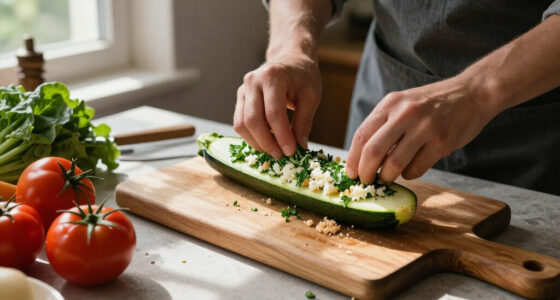
Use a stable cutting board. Keep hands dry and fingers clear of the blade.
Score
Cut a deep, visible X into every shell before heating.
Dry well
Soaking is optional. If you soak, dry the nuts well before cooking.
Roast & turn
Use a single layer where practical; turn or shake regularly.
Check & peel
Cool enough to handle, test tenderness, then peel while warm.
Doneness is a texture check
Size, freshness, and equipment change how quickly chestnuts cook. The guide gives no single time or temperature for each method, so use the clock only as a prompt to check.
Return it to the heat
Carefully remove one chestnut with tongs and let it cool enough to handle safely. Check whether its center is soft and easy to bite. Put firm nuts back to cook and check again—mixed-size chestnuts may finish at different times.
What caldarroste means
Caldarroste are Italian roasted chestnuts, traditionally cooked in a perforated pan over a live fire and sold hot from street carts in autumn and winter. At home, the aim is a comforting seasonal snack made with common equipment—not an exact recreation of cart cooking.
Perforated pan + fire
Direct heat can create toasted or smoky notes and scattered charred spots.
Use what you can watch
Skillet, oven, grill, or air fryer can cook chestnuts without a cart or wood fire.
Wrap & peel warm
The guide overview recommends wrapping roasted chestnuts and peeling while warm, when shells are easier to remove.
Chestnut questions, answered
Do chestnuts need scoring?
Yes. Score every shell before heating. The opening releases steam and helps you begin peeling.
Which method should I choose?
A skillet suits a handful, an oven works well for a larger batch, and a grill can add fire-like flavor but needs close attention. An air fryer is another small-batch option.
How can I tell they are ready?
Check that the center is soft and easy to bite. If it is firm, return the nut to the heat and check again.
How should fresh nuts be stored?
Keep them cool in a breathable bag in the refrigerator and use soon. Discard nuts with mold, soft patches, or sour or musty smells.
Does a home method taste exactly like a street cart?
No exact match is promised. Household equipment can cook chestnuts, but the guide does not quantify how closely each method matches live-fire flavor.
Is there one cooking time?
No. Chestnut size, freshness, and equipment affect cooking. Check the texture instead of relying on a fixed number of minutes.
Making Street-Style Chestnuts at Home
The Mad Tasting guide adapts a seasonal street-food preparation for a home kitchen, without requiring a cart, wood fire or specialized equipment. It offers several approaches depending on batch size and what equipment readers have: a skillet for a handful, an oven for more nuts, or a grill for a taste closer to open-fire cooking.
The guide’s safety advice is central to its instructions. It says chestnuts must be scored before they are heated and cautions readers to stabilize each nut rather than cut it while it rolls. It also recommends checking for tenderness, accounting for differences among nuts and appliances. The guide presents these methods as an approximation of street-cart cooking, not an exact recreation of its equipment or flavor.
Products Worth Considering

Le Creuset Enamemed Cast Iron Oval Dutch Oven, 5 qt., White/Crucible

Le Creuset Signature 6.5-Quart Deep Round Dutch Oven with Light Gold Crucible Knob, Enameled Cast Iron, Bleu Riviera

Le Creuset Enameled Cast Iron Round Bread Oven, 9.5-Inch, Cerise
As an affiliate, we earn on qualifying purchases.
From Cart Pan to Kitchen
The Mad Tasting guide describes caldarroste as Italian roasted chestnuts traditionally cooked in a perforated pan over a live fire and sold hot from street carts in autumn and winter. It notes that direct heat can produce toasted or smoky notes and scattered charred spots. The guide says a solid skillet, home oven or ordinary grill can cook chestnuts, but does not precisely reproduce a cart’s pan and flame.
The source is a cooking guide, not a report of a new product, restaurant opening or policy change. It provides preparation advice and compares home methods, but supplies no dated announcement, named chef or tested cooking temperatures. Its central recommendation is to choose an approach the cook can monitor and judge readiness by the chestnut’s center.
Timing and Results Vary
The Mad Tasting guide does not provide a single cooking time or temperature for each method. It says results vary with chestnut size and freshness, as well as the oven or other equipment, and recommends checking that the flesh is soft and easy to bite. The guide does not quantify how closely each home method matches the flavor of chestnuts cooked over a live fire.
The supplied guide text ends during its roasting instructions, after noting that mixed-size chestnuts may finish at different times. Its overview introduces wrapping and peeling while warm and handling leftovers, but the detailed steps for those subjects are not included in the source material provided here. No independent testing or expert comments accompany the supplied material.
Check, Rest and Peel Warm
The Mad Tasting guide recommends turning or shaking chestnuts regularly during cooking and inspecting them for opened cuts and browning. It advises removing a nut carefully with tongs, letting it cool enough to handle safely, then checking whether its center is soft and easy to bite. Return any firm chestnuts to the heat and check them again; the guide warns that nuts in the same batch may not finish together.
The guide’s overview recommends wrapping the roasted chestnuts and peeling them while warm, when the shells are easier to remove. Readers should consult the full source instructions for additional advice on holding or storing leftovers, because those detailed steps are not present in the supplied text.
Key Questions
What does caldarroste mean?
Caldarroste are Italian roasted chestnuts, traditionally cooked over a live fire and sold hot from street carts in autumn and winter, according to the Mad Tasting guide.
Do chestnuts need to be scored before roasting?
Yes. The Mad Tasting guide says to cut a visible opening, such as an X, into every shell before heating. It explains that scoring gives steam a way to escape and provides a starting point for peeling.
Which method should I use at home?
The Mad Tasting guide says a skillet suits a small batch, an oven is convenient for a larger tray, and a grill can add a more fire-like flavor but needs close attention. It also lists an air fryer for a small batch. Results and cooking times vary by equipment.
How can I tell when roasted chestnuts are ready?
The Mad Tasting guide recommends checking that the center is tender and easy to bite, rather than relying only on a fixed time. If a chestnut is still firm, return it to the heat and check again.
How should fresh chestnuts be stored before roasting?
The Mad Tasting guide recommends keeping fresh chestnuts cool in a breathable bag in the refrigerator and using them soon. It advises discarding nuts with mold, soft patches or a sour or musty smell.
Source: Mad Tasting