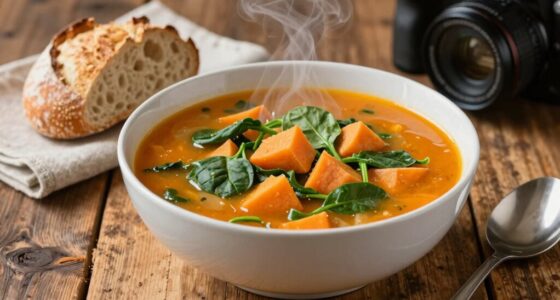
Lucky New Year foods are rich in symbolism and vary across cultures to attract prosperity, health, and happiness. For example, black-eyed peas and greens in Western traditions symbolize wealth, while long noodles in Asian cultures stand for longevity. Dishes shaped like gold ingots or mochi represent prosperity and resilience. These foods go beyond nourishment—they carry wishes for a successful year ahead. Keep exploring to discover more meaningful traditions and how they can inspire your celebrations.

Get kitchen staples and gadgets delivered free with Prime
- Fast, free delivery on millions of items
- Prime Video, Amazon Music and more included
- Member-only deals all year
Key Takeaways
- Traditional New Year foods often symbolize prosperity, health, and longevity, with regional variations highlighting cultural significance.
- Black-eyed peas and leafy greens in Western traditions represent wealth and abundance.
- Asian New Year dishes like long noodles, mochi, and dumplings symbolize longevity and prosperity.
- Foods shaped like gold ingots or broken to represent cutting short longevity are common symbols of wealth.
- Incorporating lucky foods enhances cultural connection and symbolizes hopes for a prosperous year ahead.
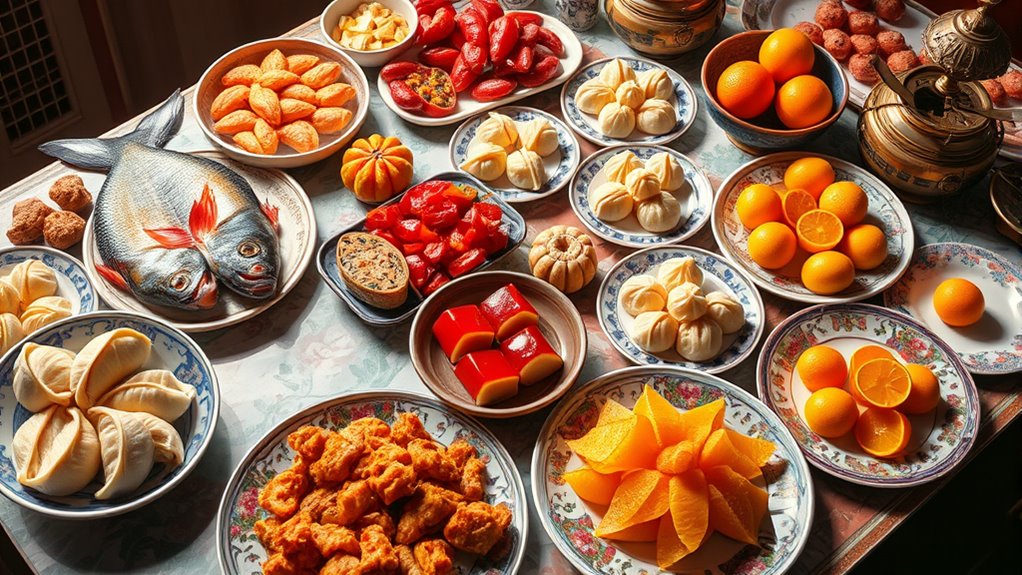
Have you ever wondered why certain foods are believed to bring good luck in the New Year? It’s because each dish often carries specific meanings, known as fortune symbols, which are thought to influence your upcoming year. These symbols vary widely across cultures, giving rise to fascinating regional variations in traditional New Year’s foods. For example, in some places, eating a particular type of food is believed to attract wealth, happiness, or health, depending on the symbolism attached to it. These customs have been handed down through generations, blending history, superstition, and cultural identity into the foods we enjoy at this time of year.
Many cultures believe specific foods bring luck and prosperity in the New Year through meaningful symbols.
In many Western countries, one of the most well-known lucky foods is the black-eyed pea, often served in a dish called Hoppin’ John in the southern United States. It’s considered a fortune symbol for prosperity because peas are small and round, reminiscent of coins. Eating black-eyed peas on New Year’s Day is believed to bring financial abundance for the year ahead. Similarly, foods like cabbage or kale are popular in various regions because their leafy greens symbolize folded money or wealth. The more you eat, the more abundance you might attract, according to these traditions. These regional variations highlight how the same idea—using food as a fortune symbol—takes different forms depending on local customs and history.
In many Asian cultures, rice and noodles are central to New Year celebrations. They symbolize longevity and good fortune. For instance, long, unbroken noodles represent a wish for a long life, and breaking them is thought to cut that future short. In Japan, ozoni—a traditional soup containing mochi and vegetables—is often eaten during the New Year because the rice cake (mochi) is a symbol of resilience and good luck. In China, dumplings shaped like ancient gold ingots are popular, symbolizing wealth and prosperity. These regional variations show how foods can be more than just nourishment—they’re powerful symbols meant to influence the year’s fortunes. Additionally, understanding cultural symbolism can deepen your appreciation for these traditions. Incorporating traditional foods into your celebrations can help foster a sense of connection to these meaningful customs. Recognizing the symbolic significance of these dishes can enhance the spiritual aspect of your festivities.
Many of these energy-efficient foods are also part of these cultural traditions, highlighting a harmony between symbolism and sustainability. By understanding these regional variations, you can appreciate the rich cultural tapestry behind our New Year’s culinary customs. So, next time you sit down to your celebratory meal, remember that the dishes on your plate might be more than just delicious—they could be your wish for a prosperous year ahead.
Frequently Asked Questions
Are There Specific Colors Associated With Lucky New Year Foods?
Yes, specific colors are associated with lucky New Year foods through color symbolism, which varies across cultures. You might find red foods representing good luck and happiness in many traditions, while gold or yellow signifies wealth and prosperity. Cultural variations influence these choices, so in some regions, green symbolizes growth, and black can be considered protective. Embracing these colorful foods can help you welcome a prosperous year filled with positive energy.
Can Eating Certain Foods Guarantee Prosperity?
Like planting a seed, eating certain foods can set a tone for prosperity, but they don’t guarantee it. The symbolic food significance varies across cultures, with some believing that specific dishes attract wealth and luck. While cultural food variations emphasize tradition and hope, your mindset and actions matter more for long-term success. Enjoy these foods for their meaning, but remember, prosperity comes from your efforts, not just your plate.
Do These Traditions Vary Across Different Cultures?
Yes, these traditions do vary across different cultures due to regional differences and cultural variations. You’ll find that each culture has its own special foods believed to bring luck and prosperity. For example, some nations eat noodles for longevity, while others prefer lentils for wealth. These regional differences reflect unique beliefs and customs, making New Year food traditions diverse and fascinating worldwide.
Are There Any Foods to Avoid During New Year Celebrations?
You should avoid unlucky foods and forbidden ingredients during New Year celebrations because they can bring bad luck or misfortune. For example, in some cultures, cutting noodles or eating certain fish is believed to cut your luck short. Stay away from foods like certain lentils or black foods that symbolize bad luck. By steering clear of these, you set a positive tone for a prosperous year ahead.
How Do These Food Traditions Influence Modern New Year Celebrations?
You’re influenced by these food traditions through symbolic food meanings that bring good luck and prosperity. Regional food variations add unique flavors to your celebrations, making each experience special. These traditions encourage you to include specific dishes, like black-eyed peas or noodles, aligning with cultural beliefs. By embracing these customs, you connect with your heritage and enhance your New Year’s festivities, fostering hope and positivity for the year ahead.
Conclusion
As you welcome the new year, embracing these lucky foods can set a flavorful tone for prosperity ahead. Think of each dish as a seed you plant for good fortune, growing with your hopes and intentions. By honoring these traditions, you’re not just eating; you’re inviting luck to dance into your life. So, enjoy the feast and let the symbols of prosperity serve as a guiding light for the year to come.
Columbus Day / Indigenous Peoples' Day Picks
long weekend sales
As an affiliate, we earn on qualifying purchases.