
TL;DR

Get kitchen staples and gadgets delivered free with Prime
- Fast, free delivery on millions of items
- Prime Video, Amazon Music and more included
- Member-only deals all year
A Good Housekeeping report recommends eight foods for fall Mediterranean-style meals: butternut squash, lentils, pears, kale, citrus, walnuts, olive oil and pomegranate. The suggestions focus on seasonal ingredients and practical ways to use them; the report does not establish that adding any one food will prevent or treat disease.
Good Housekeeping has published a fall food guide recommending eight ingredients for Mediterranean-style meals, including butternut squash, lentils, pears, kale, citrus, walnuts, olive oil and pomegranate. The report pairs seasonal cooking suggestions with nutrition information, but its health references describe potential benefits or associations, not proof that these foods prevent or treat disease.
The list spans vegetables, fruit, legumes, nuts and cooking oil. The report suggests roasting butternut squash with olive oil and herbs, blending it into soup, or adding it to salads and pasta. It describes squash as a source of fiber and vitamins, including beta carotene. Lentils can be used in soups, stews or warm salads; the report notes their plant-based protein, fiber and iron.
For produce, the article recommends pears as a snack or dessert and suggests pairing them with walnuts and feta in a salad. It says kale works in salads, soups and stews, and recommends massaging it with olive oil and lemon to soften the leaves. Lemons and oranges can add acidity and sweetness to fall dishes; cited examples include lemon in lentil, kale and orzo stew, or orange slices with squash and white beans.
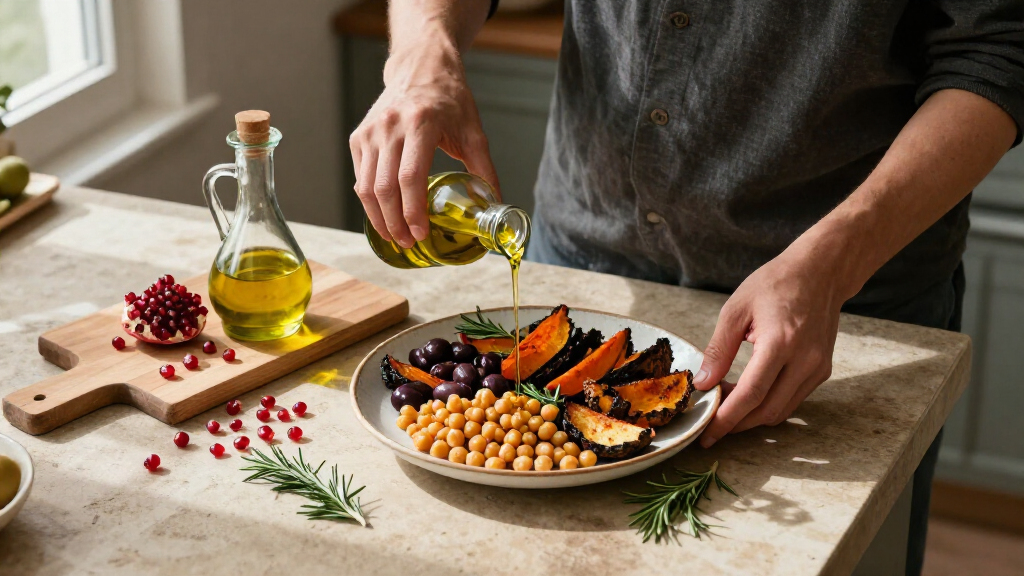
The remaining picks are walnuts, olive oil and pomegranate. The report suggests walnuts over oatmeal or yogurt and in salads, and olive oil in cooking, dressings or as a finishing drizzle. Pomegranate seeds can top roasted vegetables, grain bowls, hummus or yogurt. These are serving ideas rather than a prescribed meal plan, and the source does not specify portions or individual dietary needs.
Seasonal Choices for Everyday Meals
The guide gives readers a practical way to bring a Mediterranean-style pattern into cool-weather cooking: combine vegetables, legumes, fruit, nuts and olive oil in familiar meals rather than relying on a single ingredient. That can help with meal planning as seasonal produce changes, while offering options for soups, salads, grain bowls and snacks.
Its health claims need careful reading. The report describes nutrients in these foods and cites possible benefits or links, but those statements do not show that eating a particular item guarantees better health. A food list is not a substitute for medical advice, and the article does not assess how these choices fit a person’s allergies, medical conditions or overall diet.
Products Worth Considering
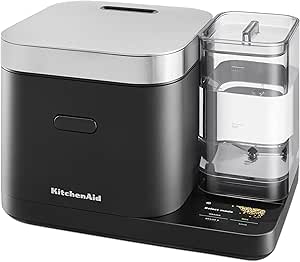
KitchenAid 8-Cup Grain and Rice Cooker with Integrated Scale, Black Matte

Vitamix 5200 Professional-Grade Blender, 64 oz. Container, Black
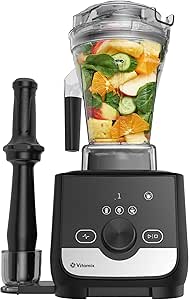
Vitamix Ascent X3 Professional-Grade Blender, 3 Programs, Shadow Black
As an affiliate, we earn on qualifying purchases.
How the Fall List Is Framed
The source is a Good Housekeeping seasonal nutrition report organized around foods that are available or useful in fall. It presents the Mediterranean diet through examples of ingredients and combinations, including legumes with citrus, greens with olive oil, and fruit with nuts. Its focus is food selection and preparation, not a new clinical study or formal dietary guideline.
The article includes comments attributed to Stuart about squash and to Shaw about pairing citrus with beans and lentils. The supplied source material does not give their full names, professional credentials or the underlying research for every health statement. The list should consequently be understood as editorial guidance, not an independently verified ranking of the “best” foods.
“Fall is the perfect time to enjoy butternut squash, a fantastic addition to the Mediterranean diet.”
— Stuart, as quoted in Good Housekeeping
Limits of the Nutrition Claims
The source does not provide a publication date, full details for the experts quoted, or citations for each health claim in the supplied material. It also does not set out serving sizes, compare the foods with alternatives, or explain how the suggested meals should be adjusted for different health needs.
Statements about inflammation, heart health and other conditions should not be read as proof of cause and effect. The report’s references to possible benefits and associations leave the size and certainty of any benefit unclear; no specific outcome for an individual reader is established.
Putting the Suggestions Into Practice
Readers can use the list as a starting point for seasonal meals, choosing ingredients that suit their budget, preferences and dietary needs. A simple approach is to pair a legume such as lentils with vegetables and a citrus-based dressing, or add fruit and nuts to a salad. The report itself does not announce a follow-up study, policy change or next publication milestone.
Anyone with food allergies or a condition that affects diet should check ingredients and seek advice from a qualified health professional when needed. The article’s food suggestions do not replace individualized guidance.
Key Questions
Which foods does the fall guide recommend?
It highlights butternut squash, lentils, pears, kale, lemons and oranges, walnuts, olive oil and pomegranate as ingredients for Mediterranean-style fall meals.
Does the report show that these foods prevent disease?
No. It describes nutrients and potential benefits or associations, but the supplied report does not establish that eating these foods prevents or treats disease.
How does the guide suggest using lentils?
It recommends lentils in soups, stews and salads, including a warm salad with roasted root vegetables. It also notes that lentils provide plant-based protein, fiber and iron.
What are some suggested ways to use citrus?
The report suggests adding lemon to lentil, kale and orzo stew or pairing orange slices with squash and white beans. Citrus can also add flavor to dressings and salads.
Is this a formal nutrition plan?
No. It is a seasonal food guide with ingredient and serving ideas, not a prescribed meal plan. It does not provide portion targets or advice tailored to individual medical needs.
Source: goodhousekeeping.com