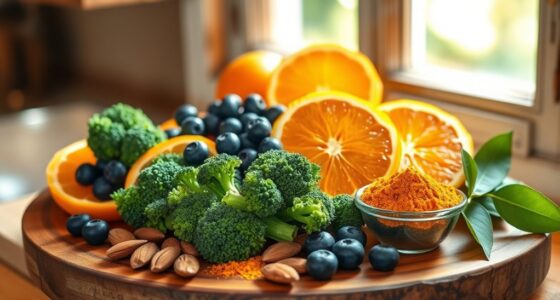

Eating a variety of fermented foods like yogurt, sauerkraut, and kefir introduces beneficial probiotics that help strengthen your gut microbiome and boost overall health. The more diverse your fermented foods, the richer the microbial community you supply your gut. This variety improves digestion, supports your immune system, and can even influence your mood. If you want to learn how to choose or prepare fermented foods that best support your gut, you’re in the right place.

Get kitchen staples and gadgets delivered free with Prime
- Fast, free delivery on millions of items
- Prime Video, Amazon Music and more included
- Member-only deals all year
Key Takeaways
- Fermented foods introduce beneficial probiotics that enhance gut digestion and immune health.
- Consuming a variety of fermented foods increases microbial diversity for a resilient microbiome.
- Traditional, homemade fermentation methods often yield richer, more diverse beneficial bacteria than store-bought options.
- Different fermentation techniques influence the types and diversity of microbes present in fermented foods.
- A diverse probiotic spectrum from fermented foods supports overall gut balance and better stress management.
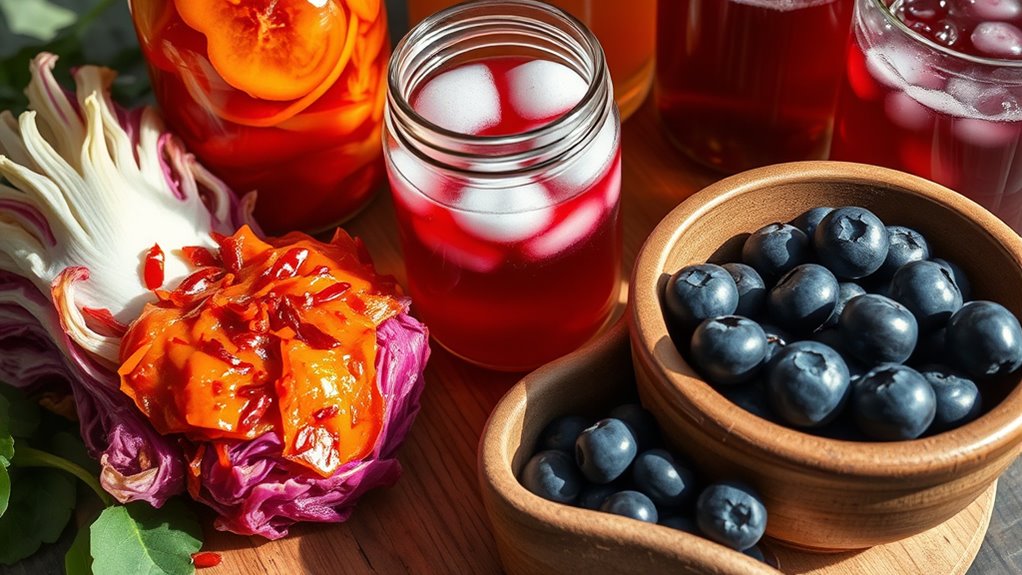
Have you ever wondered how the foods you eat influence your gut health? One way to boost your microbiome is by including fermented foods in your diet. These foods are packed with beneficial bacteria that can improve digestion, support immune function, and even influence your mood. But not all fermented foods are created equal. The key lies in understanding probiotic diversity and the fermentation techniques used to produce these foods. When you choose a variety of fermented options, you’re exposing your gut to a broader spectrum of beneficial microbes, which can lead to a more resilient and balanced microbiome.
Probiotic diversity refers to the range of different beneficial bacteria present in your gut. The more diverse your microbiome, the better your body can handle stress, digest food efficiently, and fend off harmful pathogens. Fermented foods like yogurt, kefir, sauerkraut, kimchi, and kombucha are excellent sources of probiotics. However, not all products boast the same diversity. Some store-bought options may contain only a handful of bacterial strains, while traditional, homemade ferments often harbor a richer variety. This diversity results from different fermentation techniques, which influence the microbial composition. Fermentation techniques can also impact the health benefits and safety of fermented foods. Additionally, microbial community diversity is a crucial factor in creating a robust microbiome that supports overall health.
Choosing traditional or homemade fermented foods boosts probiotic diversity for a healthier microbiome.
Fermentation techniques encompass the specific methods used to transform raw ingredients into fermented foods. These techniques can include spontaneous fermentation, where naturally occurring microbes ferment the food, or controlled fermentation, where specific bacterial cultures are added. For example, making sauerkraut involves shredding cabbage and fermenting it in salt brine, encouraging naturally present bacteria to thrive. In contrast, commercial yogurts are typically fermented using specific bacterial strains like Lactobacillus bulgaricus and Streptococcus thermophilus. The fermentation technique you choose impacts the probiotic diversity of the final product. Traditional methods tend to preserve a broader range of microbes, while commercial processes often focus on specific, well-studied strains for consistency and shelf stability. Additionally, the technology used in fermentation can influence the microbial diversity and health benefits of the final product. Incorporating fermentation practices that prioritize microbial variety can further enhance the gut health benefits of your fermented foods. Recognizing the role of microbial ecosystem can help you make more informed choices about the foods you consume.
Frequently Asked Questions
Can Fermented Foods Help With Specific Health Conditions?
Yes, fermented foods can help improve specific health conditions by supporting gut health and immune support. When you include foods like yogurt, sauerkraut, or kefir in your diet, they introduce beneficial probiotics that enhance your digestive system. This balance can reduce inflammation, alleviate symptoms of digestive disorders, and strengthen your immune response. Regularly consuming fermented foods may contribute to overall wellness and help manage certain health issues more effectively.
How Much Fermented Food Should I Consume Daily?
You should aim for about one to two servings of fermented foods daily, based on general dietary guidelines. A serving size typically includes a cup of yogurt, a half-cup of sauerkraut, or a small piece of kefir cheese. Keep in mind, individual tolerance varies, so start with small amounts and gradually increase. Listen to your body and consult a healthcare professional if you have specific health concerns.
Are There Any Risks or Side Effects of Eating Fermented Foods?
While fermented foods are generally safe, there are some risks and allergies to watch for. You might experience mild digestive discomfort or allergic reactions if you’re sensitive. Contamination concerns can occur if they’re improperly prepared or stored, so always choose reputable sources. Consuming them in moderation helps minimize these risks. If you notice adverse symptoms, consult a healthcare professional to verify fermented foods suit your individual health needs.
Do Fermented Foods Contain Probiotics That Survive Digestion?
Yes, many fermented foods contain probiotics that can survive digestion, especially if they’re raw and unpasteurized. These probiotics help support your gut flora and can boost your digestive enzymes, improving digestion. When you eat fermented foods, you’re introducing beneficial bacteria that may reach your intestines alive, promoting a healthier microbiome. Just choose high-quality, minimally processed options to maximize their probiotic benefits and support your overall gut health.
How Do Different Fermentation Methods Affect Probiotic Content?
Different fermentation techniques markedly influence probiotic diversity in foods. For example, traditional lacto-fermentation preserves a wide range of probiotics, while pasteurization can kill beneficial bacteria. You’ll find that raw, unpasteurized methods usually yield higher probiotic content, enhancing your gut health. By choosing specific fermentation techniques, you can maximize probiotic diversity, ensuring you get the most benefit from your fermented foods and supporting a healthier microbiome.
Conclusion
By adding fermented foods to your diet, you’re releasing a powerhouse of beneficial microbes that can transform your gut health. Think of your microbiome as a tiny army working tirelessly behind the scenes—fermented foods fuel this army like rocket fuel, boosting your immunity and digestion. So, start small and enjoy the delicious journey. Before you know it, your gut will be thriving like a jungle bursting with life—an unstoppable force for your overall well-being!
Halloween Picks
halloween
As an affiliate, we earn on qualifying purchases.