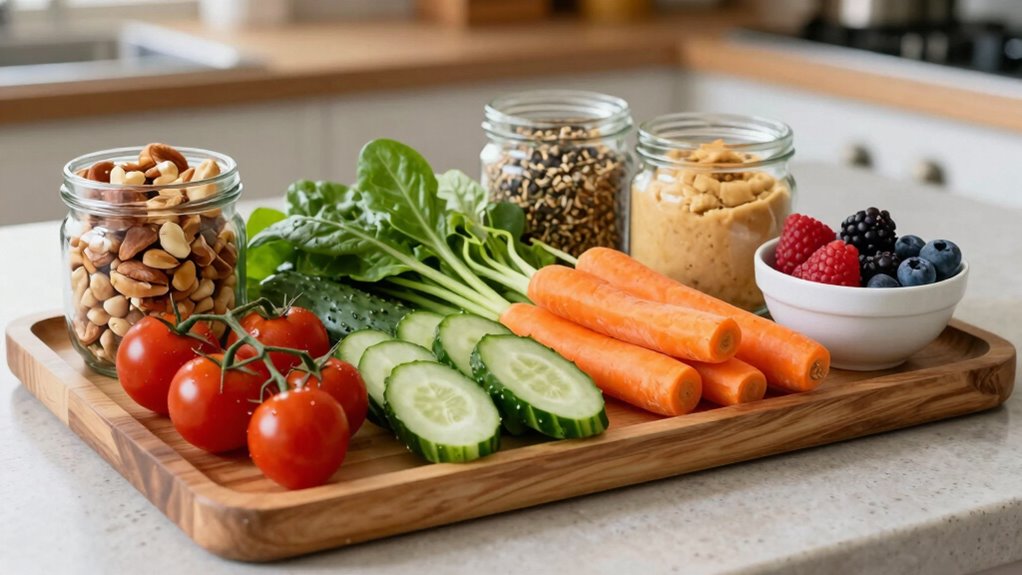

To cut out processed foods and embrace clean eating, start by planning your meals with fresh, minimally processed ingredients like vegetables, lean proteins, and whole grains. Shop mainly around the store’s perimeter—produce, dairy, meats—and avoid aisles with packaged snacks. Dedicate time weekly to meal prep, which helps control ingredients and portions. Gradually develop a taste for natural flavors, and stay mindful of additives and preservatives. If you continue exploring, you’ll find simple tips to make this progression easier and more sustainable.
Key Takeaways
- Focus on whole, minimally processed foods like vegetables, lean proteins, and whole grains to reduce intake of processed items.
- Plan and prepare meals in advance to control ingredients and avoid convenient processed options.
- Shop the perimeter of the store, selecting fresh produce, meats, dairy, and whole grains while avoiding processed snack aisles.
- Read labels carefully to identify additives, preservatives, and unnecessary chemicals in packaged foods.
- Gradually replace processed foods with simple, natural alternatives to develop healthier eating habits over time.
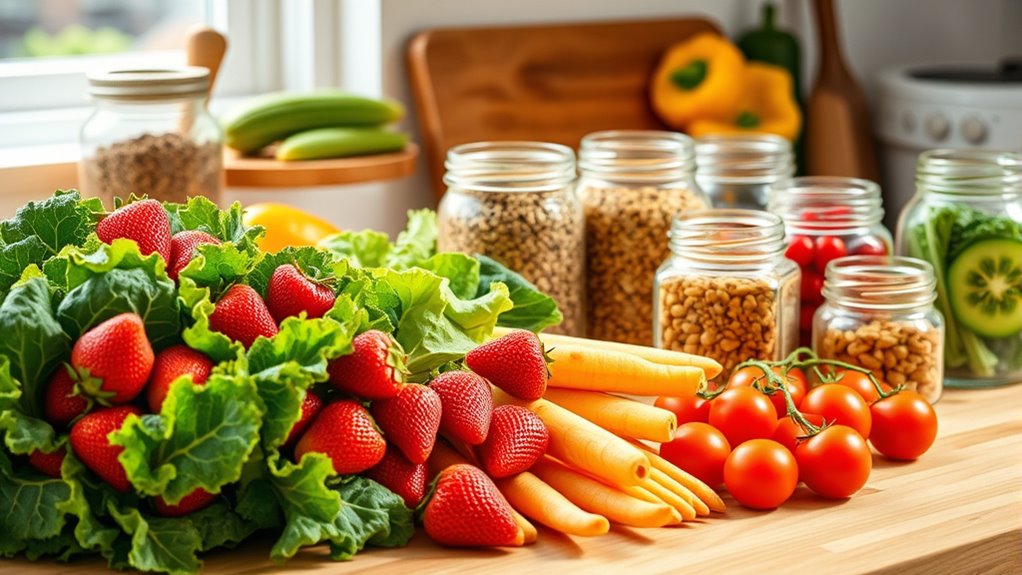
Have you ever wondered what it really means to eat clean? It’s more than just avoiding junk food or skipping desserts. Eating clean involves choosing whole, minimally processed foods that nourish your body and support your health. One of the simplest ways to start is by planning your meals ahead of time through meal prepping. When you dedicate a little time each week to prepare your meals, you minimize the temptation to reach for quick, processed options. Instead, you can focus on fresh vegetables, lean proteins, whole grains, and healthy fats. Meal prepping also helps you control portions and ingredients, ensuring you’re not unknowingly consuming additives, preservatives, or excess sugar often found in packaged foods.
Grocery shopping plays a fundamental role in adopting a clean eating lifestyle. When you step into the store with a clear plan, it’s easier to avoid aisles filled with processed snacks, sugary cereals, and convenience foods. Instead, head straight to the perimeter where fresh produce, dairy, meats, and whole grains are typically located. Make a list based on your meal prep plan to stay focused and avoid impulsive buys. Choosing whole foods over packaged ones means you’re consuming fewer additives and more nutrients, which supports better digestion, energy levels, and overall health. Being aware of processing methods can help you identify foods that are less refined and closer to their natural state. Additionally, understanding food additive labels can help you make smarter choices and avoid unnecessary chemicals. Incorporating knowledge about piercings and their healing process can also inspire mindfulness and patience, much like adopting healthy eating habits requires consistency and care.
Switching to clean eating doesn’t happen overnight, but small, consistent changes can make a significant impact. As you become more intentional with your grocery shopping and meal prepping, you’ll start to notice how much better you feel after eating real, unprocessed foods. Over time, you’ll develop a taste for fresh flavors and learn to cook simple, healthy meals that satisfy your palate. This shift also encourages mindfulness about what you put into your body, leading to healthier habits that last a lifetime. Additionally, understanding the importance of contrast ratio in food presentation can help you appreciate how vibrant, appealing meals can motivate healthier choices. Learning about nutrient density can further enhance your understanding of which foods provide the most nutritional benefit for the least calories, supporting your clean eating goals.

KOMUEE 30 oz 5 Pack Glass Meal Prep Containers 2 Compartments, Glass Food Storage Containers with Lids, Airtight Lunch Box, Microwave, Oven and Freezer Safe
HIGH QUALITY GLASS: Made from premium borosilicate glass, these meal prep containers are designed for use in freezer,…
As an affiliate, we earn on qualifying purchases.
As an affiliate, we earn on qualifying purchases.
Frequently Asked Questions
How Can I Transition to Clean Eating Gradually?
You can shift to clean eating gradually by starting with small changes, like updating your shopping list to include whole foods. Incorporate meal prep to make healthier meals easier and more consistent. Focus on replacing processed snacks with fresh fruit or nuts, and slowly swap out refined ingredients. By taking these steps one at a time, you’ll build sustainable habits without feeling overwhelmed, making your clean eating journey enjoyable and manageable.
Are Organic Foods Always Better Than Non-Organic?
Organic foods aren’t always better than non-organic options, but they do offer specific benefits like fewer pesticides and potentially higher nutrient levels. You should weigh organic benefits against non-organic concerns, such as pesticide residues and environmental impact. While organic choices can support health and sustainability, non-organic foods are often more affordable and accessible. Decide based on your budget, priorities, and what’s available in your area.
What Are Healthy Snack Options on a Clean Diet?
You can enjoy healthy snack ideas like fresh fruit, raw nuts, Greek yogurt, or veggie sticks with hummus. For snack prep tips, portion out snacks ahead of time to avoid overeating and keep healthy options accessible. Incorporate whole foods and avoid processed snacks to stay on track with your clean diet. These simple choices support your goal of eating clean while satisfying your cravings in a nutritious way.
How Do I Handle Eating Out While Maintaining Clean Eating?
When eating out, plan ahead by looking at restaurant menus and choosing healthier options like grilled proteins and vegetables. You can also do meal prep by bringing your own clean snacks or sides. Don’t hesitate to ask for modifications, like extra veggies or no sauces. Staying mindful of restaurant choices helps you stick to your clean eating goals without feeling deprived or overwhelmed.
Can Clean Eating Help With Specific Health Issues?
You might find that clean eating offers surprising detox benefits and boosts immune support, which can help with specific health issues like inflammation or fatigue. As you focus on whole, nutrient-dense foods, your body naturally detoxifies and strengthens its defenses. This proactive approach can lead to better energy levels, clearer skin, and an overall improved sense of well-being, making it easier to address your health concerns effectively.
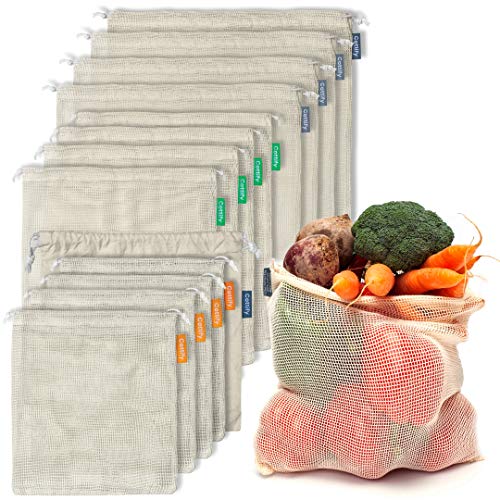
12+1 Reusable Produce Bags Grocery Washable, Organic Cotton Mesh Produce Bags, Double-Stitched & Tare Weigh, Mesh bags for vegetables, Cotton Produce Bags Reusable Washable, Produce bag 4xS, 4xM, 4xL
🍏 LIGHTWEIGHT AND STRONG: The weight of these reusable vegetable bags for refrigerator is among the lowest on…
As an affiliate, we earn on qualifying purchases.
As an affiliate, we earn on qualifying purchases.
Conclusion
By choosing whole, unprocessed foods, you take control of your health. Imagine Sarah, who swapped her snack bars for fresh fruit and noticed more energy and better digestion within weeks. Small changes like this add up and make a big difference. Clean eating isn’t about perfection but progress. Start simple—your body will thank you for it. Remember, every healthy choice brings you closer to feeling your best every day.
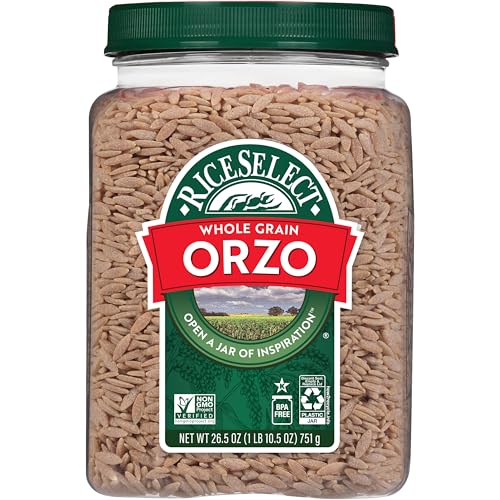
RiceSelect Whole Grain Orzo Rice-Shaped Pasta, Non-GMO, Kosher, 26.5oz Jar (Pack of 1)
ENRICH YOUR KITCHEN with RiceSelect Whole Wheat Orzo, our premium small pasta. Much like your favorite pastas, our…
As an affiliate, we earn on qualifying purchases.
As an affiliate, we earn on qualifying purchases.

Additives in Your Food: How to Spot Harmful Ingredients, Avoid Dangerous Additives, and Take Control of Your Health Through Smarter Eating
As an affiliate, we earn on qualifying purchases.
As an affiliate, we earn on qualifying purchases.