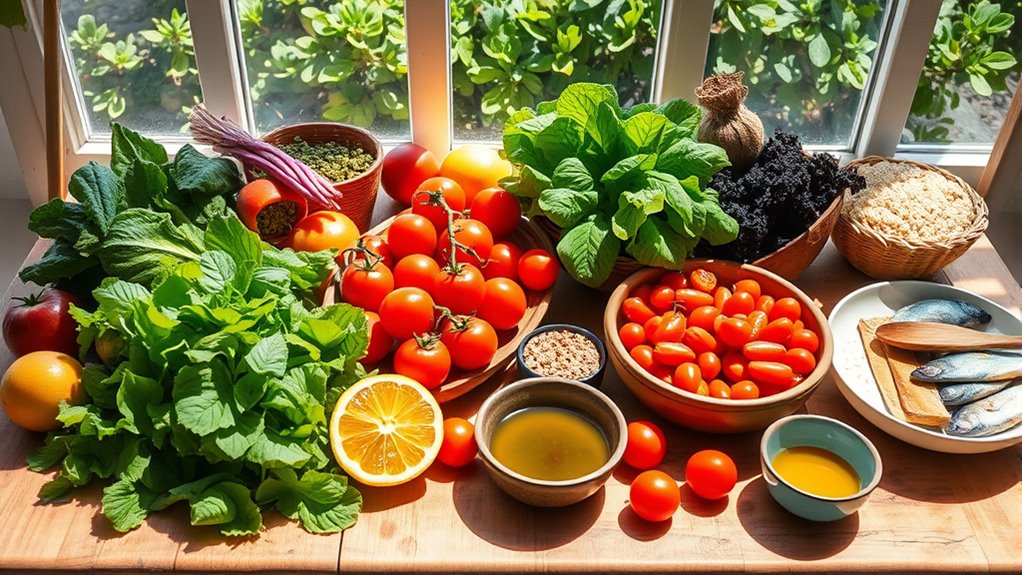

To boost your longevity like Blue Zone communities, focus on eating natural, minimally processed foods rich in herbs, such as oregano and thyme, which add flavor and health benefits. Prioritize plant-based proteins like beans, lentils, and nuts to support heart health and reduce inflammation. Aim for colorful, nutrient-dense meals that promote satiety and balance. If you want to discover more simple lifestyle tips inspired by long-lived cultures, keep exploring these easy, natural choices.

Get kitchen staples and gadgets delivered free with Prime
- Fast, free delivery on millions of items
- Prime Video, Amazon Music and more included
- Member-only deals all year
Key Takeaways
- Emphasize natural, minimally processed plant-based foods rich in nutrients and antioxidants.
- Incorporate Mediterranean herbs like oregano, thyme, and rosemary to enhance flavor and health benefits.
- Prioritize legumes, beans, and nuts as primary protein sources for heart health and reduced inflammation.
- Practice mindful eating with colorful, simple meals that promote satiety and balanced nutrition.
- Adopt sustainable, traditional eating habits that support longevity and overall well-being.
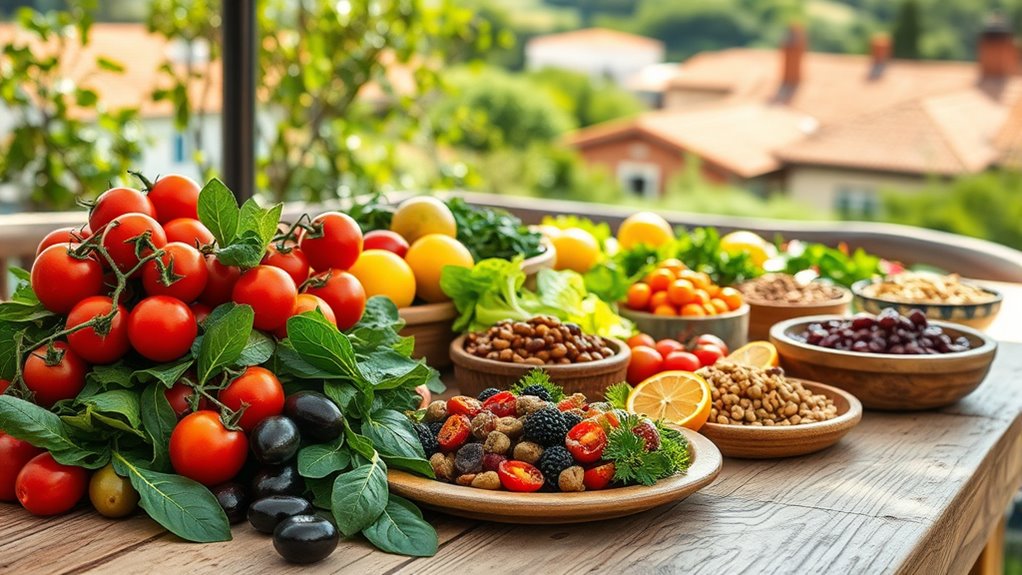
Blue Zone diets refer to the eating patterns followed by communities around the world known for their exceptional longevity and vibrant health. These regions, such as Sardinia, Okinawa, and Ikaria, reveal a clear emphasis on natural, minimally processed foods that nourish both body and mind. One of the key features of these diets is the prominent use of Mediterranean herbs, which add flavor and health benefits without the need for excessive salt or unhealthy fats. Herbs like oregano, thyme, rosemary, and basil aren’t just flavor enhancers; they are packed with antioxidants and anti-inflammatory compounds that support longevity and reduce disease risk. Incorporating these herbs into your meals can make healthy eating both enjoyable and sustainable, helping you stick to your goals over the long term.
Another cornerstone of Blue Zone eating habits is the reliance on plant-based proteins. Instead of heavily processed meats or refined carbohydrates, these communities prioritize legumes, beans, lentils, and nuts as primary protein sources. These plant-based proteins are nutrient-dense, offering essential amino acids, fiber, vitamins, and minerals, all while being lower in saturated fats. This shift away from animal products is not only linked to better heart health but also to reduced inflammation and a lower risk of chronic illnesses. When you incorporate more plant-based proteins into your diet, you’re giving your body the fuel it needs to function *ideally* without the excess fats and toxins often associated with traditional Western diets. Additionally, these diets promote mindful eating habits, encouraging a more intentional approach to food consumption that supports overall well-being.
The emphasis on whole foods and plant-based ingredients in Blue Zone diets encourages mindful eating habits. Meals are often simple, colorful, and rich in variety, making it easier to consume a broad spectrum of nutrients. Using Mediterranean herbs to season vegetables, grains, and legumes enhances flavor naturally, reducing the need for added salt or sugar. This approach promotes satiety and satisfaction, helping you avoid overeating and unhealthy snacking. By adopting these practices, you not only improve your nutritional intake but also cultivate a more balanced and sustainable relationship with food.
Ultimately, the lessons from Blue Zone diets center on embracing natural, plant-forward eating patterns that celebrate herbs and plant-based proteins. These strategies are accessible, enjoyable, and rooted in centuries of tradition. Incorporating Mediterranean herbs and increasing your intake of plant-based proteins can dramatically improve your health, extend your lifespan, and enhance your overall well-being. It’s about making smart, flavorful choices every day that align with the habits of some of the world’s longest-lived communities.
Frequently Asked Questions
How Do Blue Zone Diets Vary Across Different Regions?
You’ll notice blue zone diets vary across regions because they embrace local culinary traditions and cultural food practices. For example, in Okinawa, you eat more sweet potatoes and tofu, while in Sardinia, you focus on whole grains and goat cheese. These regional differences reflect the local environment and history, but they all emphasize plant-based foods, moderation, and natural ingredients, which contribute to longevity in each community.
Can Blue Zone Eating Habits Be Adapted Globally?
Yes, you can adapt Blue Zone eating habits globally by considering cultural differences and dietary restrictions. Focus on incorporating plant-based foods, whole grains, and healthy fats, while respecting local cuisines and traditions. Modify recipes to suit dietary needs, like vegetarian or gluten-free options. By being flexible and culturally sensitive, you can embrace these habits to promote longevity and wellness no matter where you are.
What Role Does Genetics Play in Blue Zone Longevity?
Genetics is the foundation of your longevity house, but your lifestyle builds the sturdy walls. While genetic predispositions and heritability factors influence lifespan, they aren’t the whole story. You can tip the scales by adopting Blue Zone habits like plant-based diets and active living. Think of genetics as the deck of cards you’re dealt—your choices determine how well you play your hand in achieving a long, healthy life.
Are Blue Zone Diets Suitable for Children and Pregnant Women?
Blue zone diets can be suitable for children and pregnant women if you focus on balanced child nutrition and pregnancy safety. You should prioritize whole, plant-based foods, limit processed items, and guarantee adequate vitamins and minerals. Always consult with healthcare providers before making major dietary changes. By doing so, you’ll support healthy growth for children and safe, nutrient-rich diets during pregnancy, promoting overall well-being and longevity.
How Do Blue Zone Communities Maintain Social Connections Around Food?
You can maintain social connections around food by engaging in community bonding and participating in food rituals. Blue zone communities prioritize shared meals, which foster strong relationships and a sense of belonging. By regularly gathering for meals, you create opportunities for meaningful conversations and support. These traditions reinforce social ties, making mealtime a joyful, unifying experience that strengthens community bonds and promotes overall well-being.
Conclusion
By embracing the habits of Blue Zone diets, you’re planting seeds for a vibrant, long-lasting life. Think of these diets as a well-tended garden—nurturing your body with natural, wholesome foods that bloom with health and vitality. As you incorporate their principles, you’ll find yourself cultivating not just longevity, but a richer, more rewarding journey through life. So, start tending your garden today, and watch your well-being flourish like a timeless bloom.
Columbus Day / Indigenous Peoples' Day Picks
long weekend sales
As an affiliate, we earn on qualifying purchases.