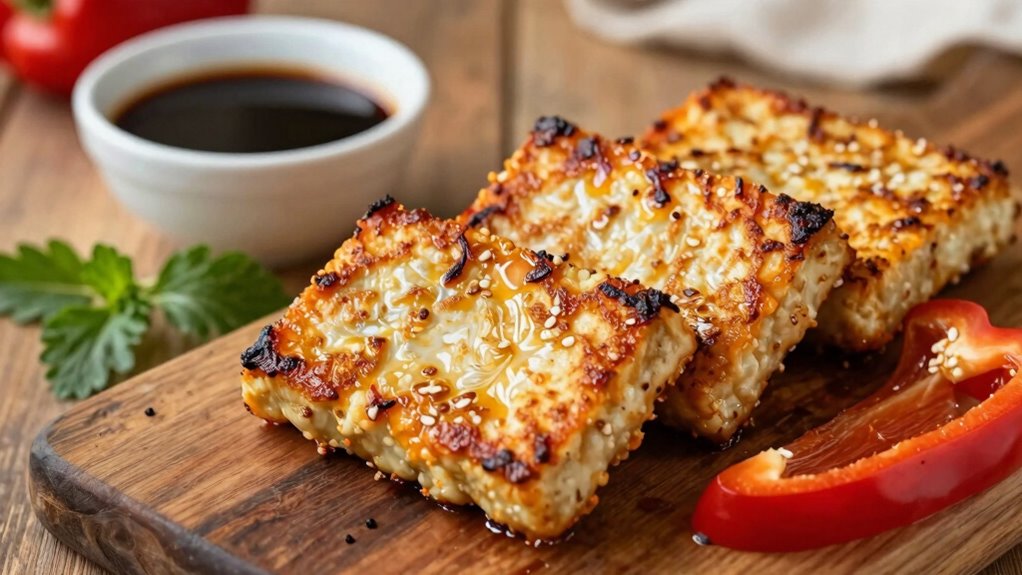

Tempeh still feels underrated in American cooking because many people aren’t familiar with its benefits, flavor, and versatility. Its fermentation process boosts nutrition, gut health, and digestibility, but it’s often overlooked due to limited marketing and exposure. The firm, nutty taste and chewy texture can seem intimidating at first, but with simple recipes and flavoring, you can reveal its full potential. Keep exploring, and you’ll discover how tempeh can become a delicious, satisfying staple in your meals.
Listen free for 30 days with Audible
Thousands of audiobooks and originals — cancel anytime.
As an affiliate, we earn on qualifying purchases.
Key Takeaways
- Limited marketing and grocery store exposure hinder tempeh’s visibility and familiarity among American consumers.
- Its strong flavor and firm texture can be intimidating without proper culinary education or appealing recipes.
- Misconceptions about plant-based proteins being less satisfying reduce consumer willingness to try tempeh.
- Lack of mainstream restaurant offerings and recipe tutorials limit opportunities for experimentation and acceptance.
- Its perceived novelty and unique fermentation process make tempeh feel less integrated into traditional American cooking.
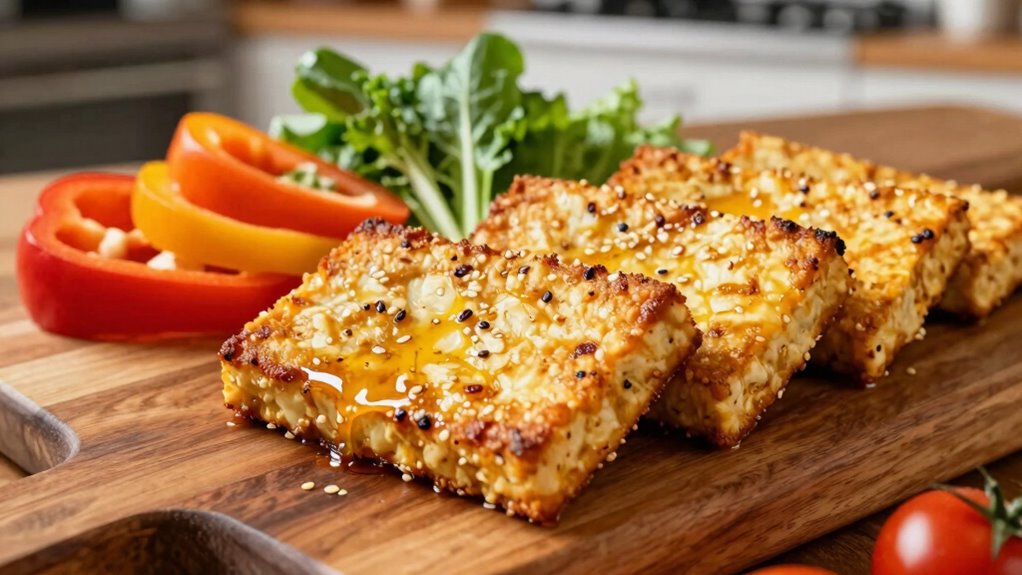
Tempeh has increasingly found its way into American kitchens, offering a versatile and nutritious plant-based protein option. Despite its rising popularity among health-conscious eaters and vegetarians, it still feels underrated in mainstream cooking. You might wonder why tempeh hasn’t become a staple in every household, especially given its many benefits. One key reason is that many people are unfamiliar with its unique qualities, especially its origins as a fermented food. Fermentation benefits play a significant role here, as they enhance tempeh’s nutritional profile, improve digestibility, and develop its distinctive flavor. When you consume fermented foods like tempeh, you gain probiotics that support gut health, making it more than just a protein source. However, many Americans associate fermentation with certain foods like yogurt or kimchi, not realizing how beneficial fermentation can be for a variety of plant-based proteins.
Fermentation boosts tempeh’s nutrition, flavor, and digestibility, making it a powerful, probiotic-rich plant-based protein.
Another factor contributing to tempeh’s underrated status is its texture and flavor, which can be an acquired taste for those unfamiliar with it. Tempeh has a firm, chewy texture and a nutty, earthy flavor that might seem intimidating if you’ve only experienced more familiar proteins like chicken or beef. The process of cooking tempeh can help mitigate these perceptions—marinating it or incorporating it into flavorful dishes makes it more appealing. Yet, many cooks overlook this versatility, sticking to more mainstream proteins simply out of habit or convenience. Additionally, the limited marketing and availability of tempeh in many grocery stores or restaurants further hampers its widespread adoption, as people are less exposed to its culinary potential. Increasing awareness about fermentation benefits and how to prepare tempeh can help bridge this gap. Expanding knowledge about plant-based proteins like tempeh can also encourage more adventurous cooking. In fact, greater consumer education about fermentation and its advantages can significantly boost tempeh’s popularity. Furthermore, a lack of detailed cooking guidance can discourage new users from trying to incorporate tempeh into their meals, which underscores the need for more accessible recipes and tutorials.
Furthermore, part of the challenge is that tempeh isn’t as widely marketed or available as other plant-based proteins like tofu or soy-based products. Without the same visibility in grocery stores or restaurants, it’s easy to overlook or dismiss tempeh altogether. This limited exposure prevents many from discovering its full culinary potential. People often stick to what they know, and if they haven’t been exposed to creative tempeh recipes, they might see it as an unusual or niche ingredient.
Moreover, misconceptions about plant-based proteins not being as satisfying or filling as animal proteins persist, but tempeh’s high protein content and ability to absorb flavors make it a hearty choice. When you start experimenting with different ways to prepare tempeh—sautéed, grilled, crumbled into sauces—you’ll see how it can seamlessly replace traditional proteins in your favorite recipes. Its fermentation benefits also mean it’s easier to digest and more nutritious, making it a smart choice for those looking to improve their diet. With more education and culinary experimentation, tempeh can become a staple protein for many households seeking sustainable and nourishing options.
In the end, tempeh’s underrated reputation persists partly because people haven’t fully unlocked its potential. Once you understand its health benefits, transformation through fermentation, and culinary flexibility, you’ll see why it deserves a more prominent place in American cooking.
As an affiliate, we earn on qualifying purchases.
Frequently Asked Questions
How Does Tempeh Compare Nutrition-Wise to Other Plant-Based Proteins?
Tempeh offers a strong nutritional comparison to other plant-based proteins, providing high protein content and essential amino acids. It’s rich in fiber, vitamins, and minerals, supporting digestive health and immune function. Compared to tofu or beans, tempeh is less processed and contains more probiotics, offering added health benefits. Its nutrient-dense profile makes it a versatile, wholesome choice for those seeking plant-based options with substantial nutritional value.
What Are the Best Traditional Dishes to Incorporate Tempeh?
You can incorporate tempeh into traditional dishes like stir-fries, sandwiches, and salads. Its rich, nutty flavor pairs well with soy sauce, garlic, and ginger, enhancing its flavor. For texture enhancement, marinate and fry tempeh to develop a crispy exterior while keeping a firm bite inside. Try adding it to curries or Buddha bowls, where its hearty texture complements vegetables and grains, making each dish more satisfying.
How Can I Make Tempeh More Appealing to Skeptics?
Tempeh is like a blank canvas; you can make it appealing by flavor masking and texture enhancement. Marinate it in bold sauces to hide any strong taste, then sauté or bake until crispy for a satisfying texture. Try glazing it with a sweet-savory sauce or crumbling it into dishes to make skeptics see its potential. With creative seasoning, you’ll turn doubters into fans in no time.
Are There Regional Differences in Tempeh Popularity Across the U.S.?
Regional preferences and cultural acceptance considerably influence tempeh’s popularity across the U.S. You’ll find it more embraced in coastal cities with diverse, health-conscious communities, like San Francisco or New York. In contrast, areas with traditional meat-centric diets may show less enthusiasm. As awareness and plant-based diets grow nationwide, expect tempeh’s acceptance to expand, gradually shifting regional differences and boosting its popularity across the country.
What’s the History of Tempeh in American Cuisine Development?
You’ll find that the history of tempeh in American cuisine begins with its introduction by Indonesian immigrants in the 20th century. Its fermentation process and cultural adoption took time to gain popularity, especially among health-conscious Americans seeking plant-based protein options. Despite its rich history and versatility, tempeh remains underrated partly because many people are unfamiliar with its preparation and benefits, which still hinders its widespread integration into mainstream American cooking.
fermented plant-based protein products
As an affiliate, we earn on qualifying purchases.
As an affiliate, we earn on qualifying purchases.
Conclusion
Despite its rich history and incredible versatility, tempeh still remains underrated in American cooking—like a hidden gem waiting to be discovered. Once you give it a try, you’ll realize it’s a game-changer, transforming your meals with its nutty flavor and firm texture. Don’t let it stay in the shadows; embrace tempeh and watch it elevate your culinary adventures to legendary status. It’s honestly an underrated superstar just waiting to shine on your plate.
As an affiliate, we earn on qualifying purchases.
As an affiliate, we earn on qualifying purchases.
College move-in / dorm season Picks
dorm essentials
As an affiliate, we earn on qualifying purchases.