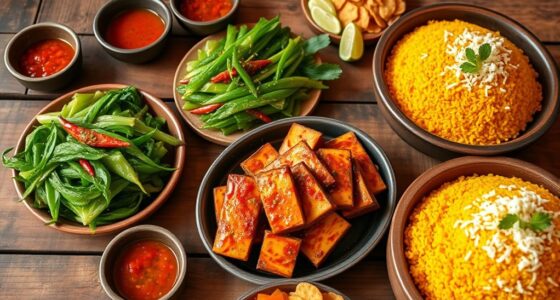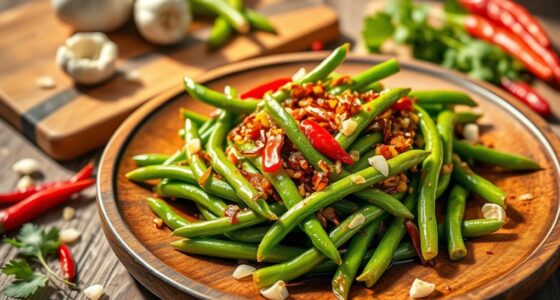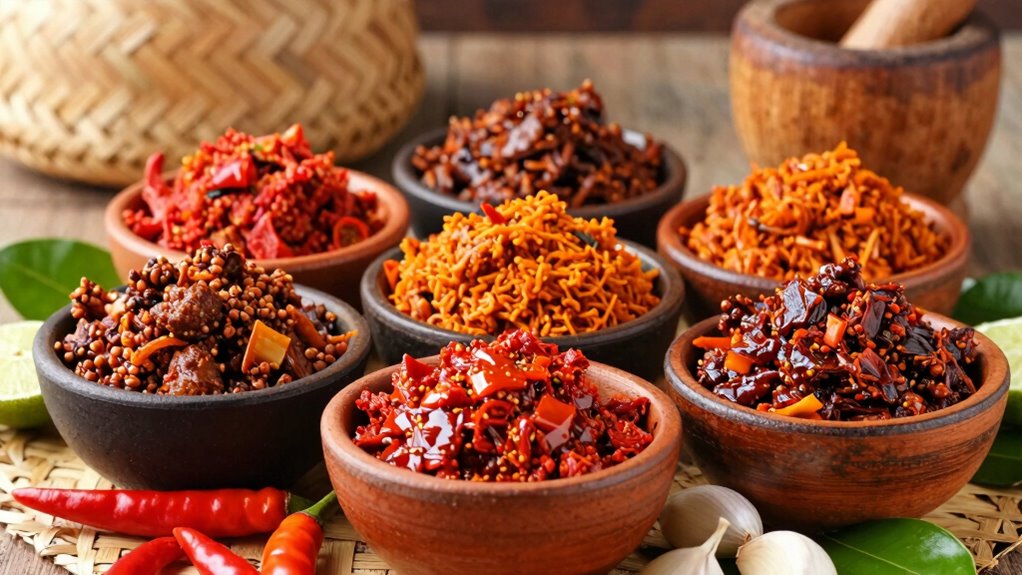

Indonesian sambal is more than just heat; it’s a flavor canvas that combines tangy, sweet, savory, and spicy notes, creating a rich, layered experience. The use of local ingredients and regional variations reflects Indonesia’s diverse culture and traditions. Making and sharing sambal connects communities and preserves family customs. Its versatility allows you to customize flavor profiles, showing that sambal embodies resilience, cultural pride, and culinary artistry. Keep exploring to discover how sambal’s depth goes beyond its fiery reputation.

Get kitchen staples and gadgets delivered free — and shop member deals
- Fast, free delivery on millions of items
- Access to Prime Big Deal Days deals on October 6–7
- Prime Video, Amazon Music and more included
Key Takeaways
- Sambal offers a complex flavor profile with layers of heat, tanginess, sweetness, and savory notes, beyond just spiciness.
- It symbolizes cultural identity and traditions, fostering community bonds through shared recipes and rituals.
- Regional variations showcase Indonesia’s diverse ingredients and culinary heritage, adding unique flavors to each version.
- The ingredients reflect local agriculture, highlighting Indonesia’s resourcefulness and regional farming practices.
- Sambal’s versatility and cultural significance demonstrate resilience and adaptability across generations and regions.
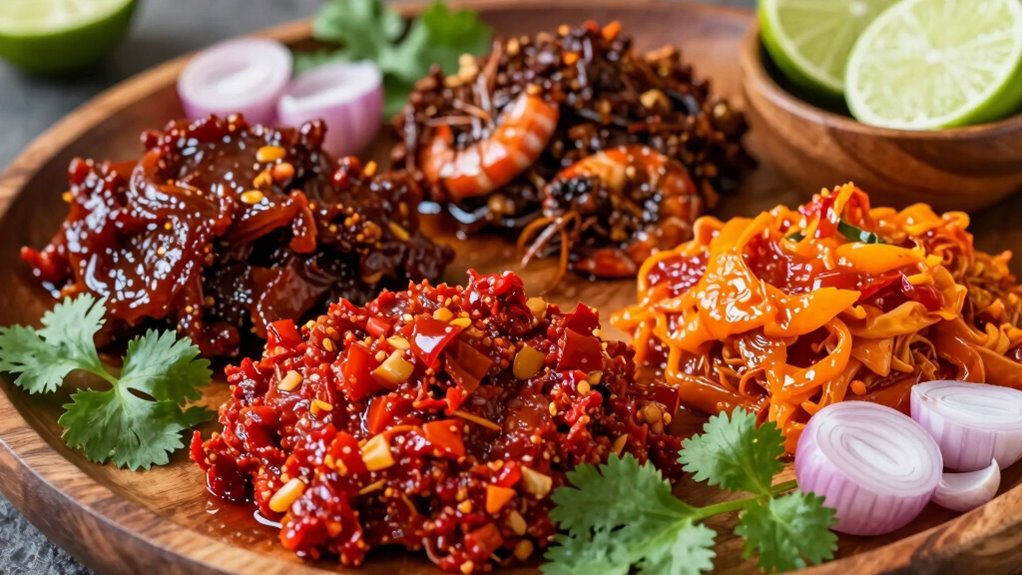
Sambal is often known for its fiery heat, but it’s so much more than just a spicy condiment. When you taste sambal, you’re experiencing a dish that embodies a rich flavor complexity, blending heat with layers of tanginess, sweetness, and savory undertones. This intricate balance isn’t accidental; it results from a careful combination of ingredients like chilies, garlic, shallots, lime juice, and sometimes sugar or shrimp paste. Each component adds depth, transforming what might seem like a simple chili paste into a multifaceted flavor experience. As you savor sambal, you’ll notice how its complexity enhances dishes rather than overwhelming them, allowing each ingredient to shine through in perfect harmony. Its cultural significance is also reflected in how it fosters community connection, with recipes often shared and passed down through generations. Beyond its taste, sambal holds profound cultural significance in Indonesian cuisine and daily life. It’s more than just a condiment; it’s a symbol of identity, tradition, and community. Every region in Indonesia has its own version, often passed down through generations, reflecting local ingredients and culinary customs. When you serve sambal at a meal, you’re sharing a piece of Indonesian culture, connecting with a history that spans centuries. It’s often served alongside rice, seafood, or grilled meats, acting as a unifying element that brings people together around the table. The act of preparing or enjoying sambal can be a communal experience, fostering a sense of belonging and cultural pride. Additionally, the culinary diversity of sambal highlights Indonesia’s rich regional flavors and ingredients, making each version unique. Understanding the ingredients used in sambal also reveals insights into Indonesia’s agricultural practices and local resources. This culinary tradition demonstrates how local ingredients influence regional variations and flavor profiles, enriching the overall cultural tapestry. Recognizing the role of tradition in sambal preparation underscores how culinary practices are intertwined with cultural heritage and social bonds. The significance of sambal extends beyond taste and tradition. It represents resilience and adaptability, illustrating how a simple ingredient can evolve into a cultural cornerstone. In many households, making sambal is a cherished ritual, a way to honor family recipes and local customs. Its versatility allows it to be tailored to personal preferences, from mild to fiery, sweet to tangy. This adaptability reflects the diverse culinary landscape of Indonesia itself, where each community adds its own twist to the basic recipe. When you incorporate sambal into your meals, you’re not just adding heat—you’re participating in a rich cultural heritage that values flavor depth, community, and tradition.
As an affiliate, we earn on qualifying purchases.
Frequently Asked Questions
What Are the Different Types of Indonesian Sambal?
You’ll find various types of Indonesian sambal, each offering unique flavor profiles and regional variations. For example, Sambal Terasi combines shrimp paste with chili, creating a smoky, savory taste. Sambal Matah offers fresh, citrusy notes from shallots and lemongrass, typical of Bali. Sambal Bajak features rich spices and sweetness, reflecting local tastes. Exploring these sambals reveals Indonesia’s diverse culinary culture beyond just heat.
How Is Sambal Traditionally Prepared in Indonesia?
You prepare sambal in Indonesia by blending fresh chili peppers with ingredients like garlic, shallots, and lime. Traditional fermentation often plays a role, adding depth to the flavor over time. You grind the mixture into a thick paste, then mix in various spices to create unique variations. This process helps develop complex, layered flavors, making sambal more than just heat — it’s a rich, cultural staple.
What Are the Health Benefits of Eating Sambal?
Eating sambal offers health benefits like supporting digestion through fermentation benefits, which promote healthy gut bacteria. Its antioxidant properties help combat free radicals, potentially reducing inflammation and lowering disease risk. The spicy ingredients, such as chili peppers, boost metabolism and may aid weight management. Plus, the natural flavors encourage you to use less salt, making sambal a flavorful, health-conscious addition to your meals.
Can Sambal Be Made Vegetarian or Vegan?
Yes, you can make sambal vegetarian or vegan. For vegetarian adaptations, avoid fish sauce and opt for soy sauce or salt to enhance flavor. Vegan alternatives include using plant-based ingredients like tomato, chili, garlic, and shallots, and replacing traditional fish-based ingredients with vegan condiments or miso. These adjustments keep the vibrant flavors intact while ensuring the sambal suits vegetarian and vegan diets.
How Does Sambal Influence Indonesian Cuisine Beyond Spice?
You see, sambal influences Indonesian cuisine beyond just spice by preserving flavor and adding depth to dishes. Its vibrant flavors reflect cultural significance, connecting communities and traditions with every spoonful. When you include sambal, you’re not only enhancing taste but also honoring heritage. This condiment’s ability to elevate and unify flavors makes it a cornerstone, showcasing Indonesia’s rich culinary history and its importance beyond mere heat.
As an affiliate, we earn on qualifying purchases.
Conclusion
You might think sambal’s just about turning up the heat, but it’s so much more. It’s a gentle whisper of tradition, a subtle nod to Indonesia’s rich culinary story. Each dab and dollop invites you to explore a world of flavors beyond the fiery facade. So next time you enjoy sambal, remember, it’s not just a spice—it’s a warm embrace of culture, waiting to be discovered with each taste.
regional Indonesian sambal varieties
As an affiliate, we earn on qualifying purchases.
As an affiliate, we earn on qualifying purchases.
As an affiliate, we earn on qualifying purchases.
NFL season / tailgating Picks
team gear
As an affiliate, we earn on qualifying purchases.