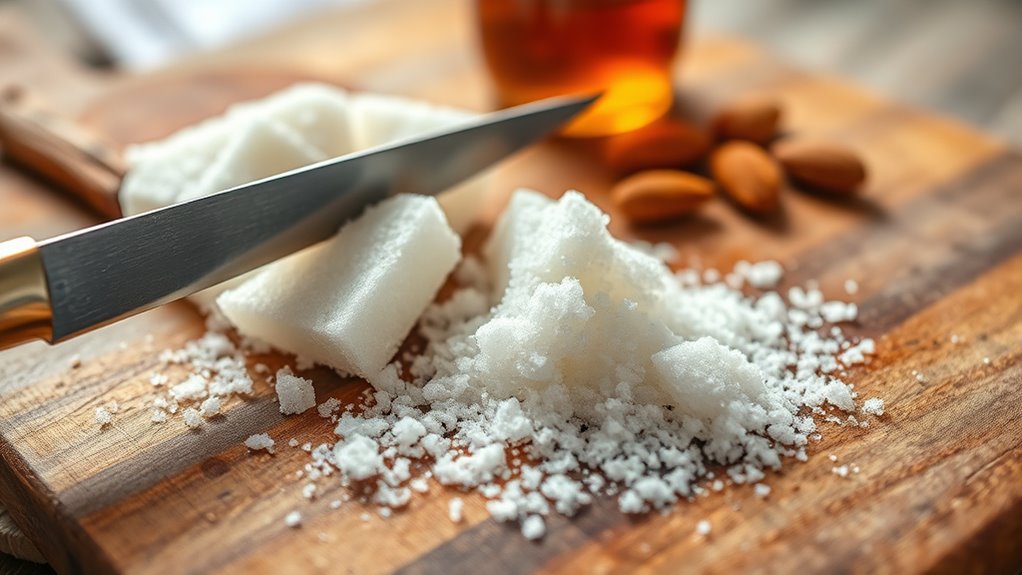

To cut sugar in your baking, try swapping in natural sweeteners like stevia, erythritol, or monk fruit, and gradually replace half the sugar to adjust smoothly. Boost flavor with aromatic ingredients like vanilla, cinnamon, or citrus zest to compensate for less sweetness. Incorporate fresh fruits or sprouted grains for natural sweetness and moisture. Using these tips, you can create healthier treats that stay delicious—discover more ways to balance taste and nutrition as you go.
Key Takeaways
- Replace some sugar with natural sweeteners like stevia, erythritol, or monk fruit to reduce calories while maintaining sweetness.
- Enhance flavor with vanilla, cinnamon, citrus zest, or fruit purée to compensate for less sugar and add complexity.
- Gradually increase sugar substitutes and keep notes to fine-tune recipes for healthier, tastier baked goods.
- Incorporate fresh fruits or sprouted grains as natural sweeteners to boost nutrition and reduce added sugar.
- Adjust liquids and textures as needed to maintain moistness and structure when reducing sugar in baking.

Reducing sugar in baking can seem challenging at first, but it’s entirely doable with the right approach. One of the key strategies is to explore sugar substitutes, which can help you cut calories and reduce your sugar intake without sacrificing sweetness. When choosing sugar substitutes, look for options that provide similar sweetness levels, such as stevia, erythritol, or monk fruit extract. These alternatives not only lower the sugar content but also help you maintain the texture and moisture of baked goods. Keep in mind that some substitutes can have a different aftertaste or sweetness profile, so it might take a little experimentation to find what works best for your recipes. Using sugar substitutes thoughtfully can also enhance flavor, allowing you to focus on other taste elements like spices, vanilla, or citrus to compensate for any slight differences in sweetness.
As you start reducing sugar, remember that sweetness isn’t the only way to elevate your baked treats. Flavor enhancement techniques can make a noticeable difference. For example, adding a pinch of salt can balance out flavors and make the sweetness more apparent, even with less sugar. Incorporating aromatic ingredients like vanilla extract, cinnamon, or nutmeg can also amplify the overall flavor profile, making your baked goods taste richer and more satisfying. Additionally, using citrus zest or a splash of fruit purée can introduce natural sweetness and complexity without adding extra sugar. These flavor boosters not only compensate for reduced sugar but also give your treats a fresh, vibrant character that keeps them tempting without relying solely on sweetness.
Another helpful tip is to choose raw foods such as fresh fruits or sprouted grains as natural sweeteners or ingredients, which can further enhance flavor and nutritional value. You’ll find that reducing sugar in your baking doesn’t mean you have to compromise on taste or texture. By experimenting with different sugar substitutes and enhancing flavors through natural ingredients, you can create healthier treats that still delight the palate. It’s helpful to start small—try replacing half of the sugar in your favorite recipes—and gradually increase the substitution as you become more comfortable. Be mindful of how different substitutes affect the moisture and structure of your baked goods, and adjust liquids accordingly. Keep notes on what works best so you can refine your approach over time. With patience and creativity, you’ll discover that cutting back on sugar can actually open up new flavor possibilities, making your baking both healthier and more exciting.
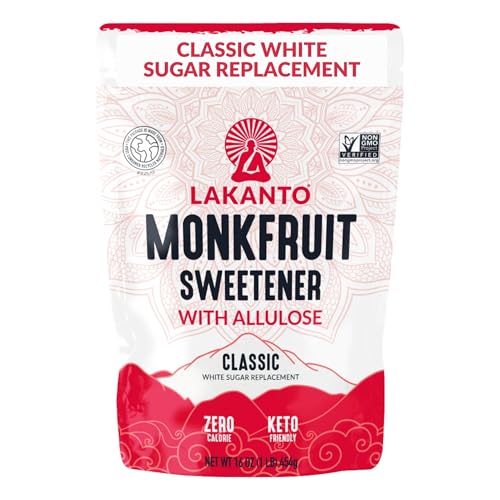
Lakanto Classic Monk Fruit Sweetener With Allulose, White Sugar Substitute From Monk Fruit Extract for Baking, Coffee & Tea, Gluten Free, Zero Calorie, Low Carb, Non GMO, Keto, Classic White (1 lb)
ALLULOSE INFUSED SWEETNESS WITHOUT THE SUGAR: Lakanto Monkfruit Sweetener without erythritol is your next sugar substitute, offering a…
As an affiliate, we earn on qualifying purchases.
As an affiliate, we earn on qualifying purchases.
Frequently Asked Questions
Can I Substitute Artificial Sweeteners in Baking Recipes?
Yes, you can substitute artificial sweeteners in baking recipes. Just keep in mind that artificial sweetener safety varies, so choose reputable brands. You might need to adjust the flavor profile, as some sweeteners can taste different or have a lingering aftertaste. Experiment with small batches first to find the right balance, and consider combining sweeteners for a more natural taste while maintaining sweetness.
How Does Reducing Sugar Affect Baking Texture and Moisture?
Reducing sugar can make your baked goods less tender and affect their moisture retention. Without enough sugar, you might notice increased sugar crystallization, leading to a grainy texture or dryness. To counteract this, you can add moisture-rich ingredients like applesauce or yogurt. Keep in mind, less sugar also means less caramelization, so your treats may not brown as deeply. Adjust your recipes gradually to find the right balance.
Are There Natural Sweeteners That Taste Similar to Sugar?
Yes, natural sweetener options like honey, maple syrup, and agave nectar taste quite similar to sugar, offering a familiar sweetness. They have unique flavor profile comparisons—honey adds floral notes, maple provides caramel undertones, and agave is mild and neutral. These alternatives can often be used interchangeably in recipes, but keep in mind their moisture content and sweetness levels to adjust your baking accordingly.
What Are the Best Fruits to Naturally Sweeten Baked Goods?
Imagine golden peaches or ruby-red strawberries, their vibrant hues promising natural sweetness. These fruits, like ripe bananas and tender dates, work wonderfully to naturally sweeten baked goods. Their pairing enhances flavors and adds moisture, creating a rich, satisfying taste without refined sugar. For a balanced flavor, combine fruits like apples or pears with spices or nuts. Your baked treats will taste naturally sweet while nourishing your body.
How Can I Adjust Baking Times When Reducing Sugar?
When reducing sugar, you should decrease baking times slightly because less sugar speeds up browning and moisture loss. Adjust baking temperatures if needed; often, lowering the temperature by 25°F helps prevent overbaking. Keep in mind, ingredient interaction changes may require you to monitor your baked goods more closely, as less sugar can affect texture and rise. Always check for doneness a few minutes early to avoid overbaking.

Swerve Sweetener, Granular, 12 Ounce
TASTES AMAZING: Swerve is sweet and delicious. It is a natural sugar replacement that does not have the…
As an affiliate, we earn on qualifying purchases.
As an affiliate, we earn on qualifying purchases.
Conclusion
By reducing sugar in your baking, you’re not only making healthier treats, but also discovering new flavors and textures. Think of it like exploring a garden—you’ll find fresh, unexpected delights around every corner. Don’t be afraid to experiment and trust your taste buds. With a little practice, baking healthier sweets becomes as enjoyable as a sunny afternoon. So, embrace the challenge and savor the sweet rewards of your mindful baking journey.
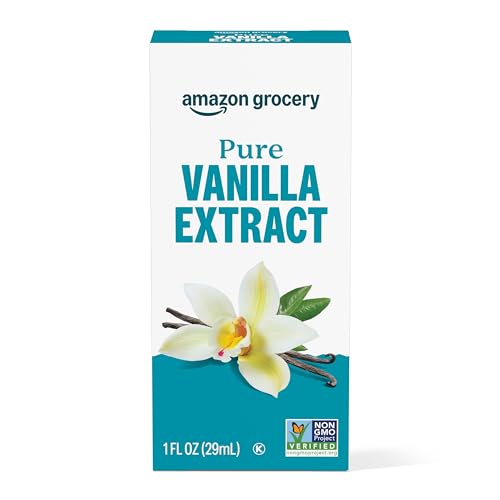
Amazon Grocery, Pure Vanilla Extract, 1 Fl Oz
Add rich vanilla to all your baking recipes
As an affiliate, we earn on qualifying purchases.
As an affiliate, we earn on qualifying purchases.

Dried Lemon Zest 8oz Large Pack – Bold Citrus Flavor for Baking, Tea, Seasoning, Marinades, Spice Blends – Granulated Lemon Peel for Home Cooks & Bakers
Family-Size 8oz with Resealable Pouch: More than double the size of standard products on the market, this dried…
As an affiliate, we earn on qualifying purchases.
As an affiliate, we earn on qualifying purchases.