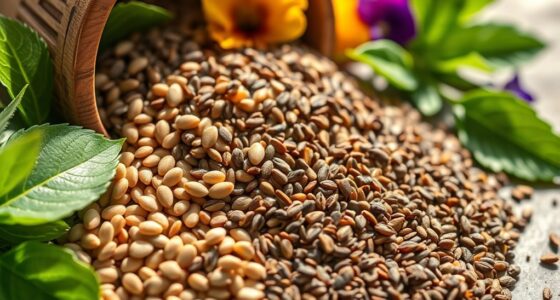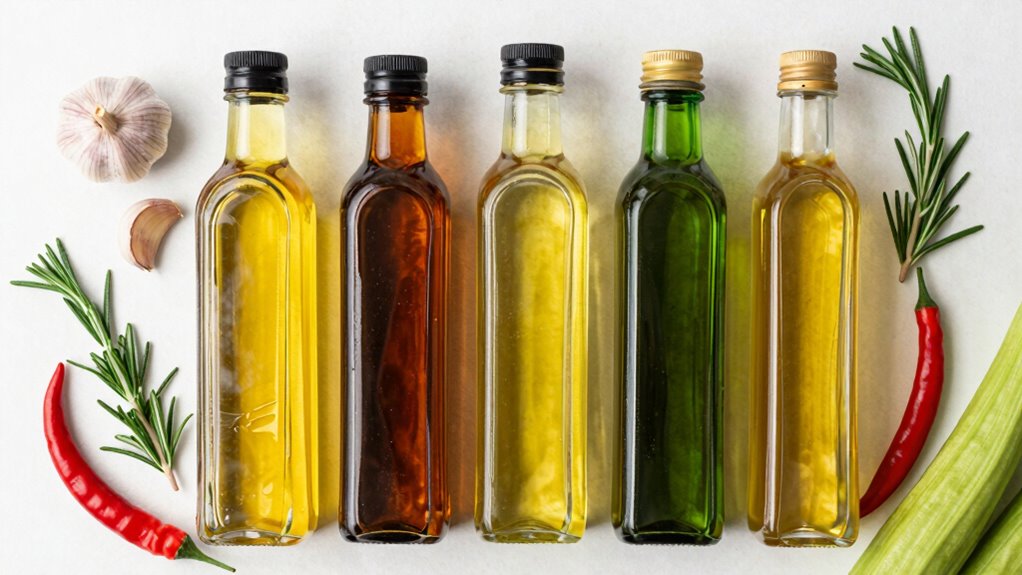
For healthy cooking, consider using extra virgin olive oil for dressings and low-heat cooking, thanks to its antioxidants and flavor. Avocado oil offers a high smoke point perfect for frying and searing while delivering healthy fats. Flaxseed or chia seed oil provides omega-3s, ideal for drizzling on salads or cereals, but avoid high heat. Coconut oil is great for baking and sautéing due to its stability. Keep exploring to discover more tips for choosing the best oils for your kitchen.
Open a free Amazon Business account
Business pricing, bulk buying and tax-exempt orders.
As an affiliate, we earn on qualifying purchases.
Key Takeaways
- Choose oils high in omega-3s, like flaxseed, chia seed, or fish oils, for heart and brain health.
- Use high smoke point oils such as avocado, refined coconut, or light olive oil for frying and high-heat cooking.
- Opt for low smoke point oils like extra virgin olive oil or unrefined sesame oil for dressings and finishing dishes.
- Incorporate a variety of healthy oils to balance omega-3 intake and nutritional benefits.
- Avoid heating oils beyond their smoke point to preserve nutrients and prevent harmful compounds.
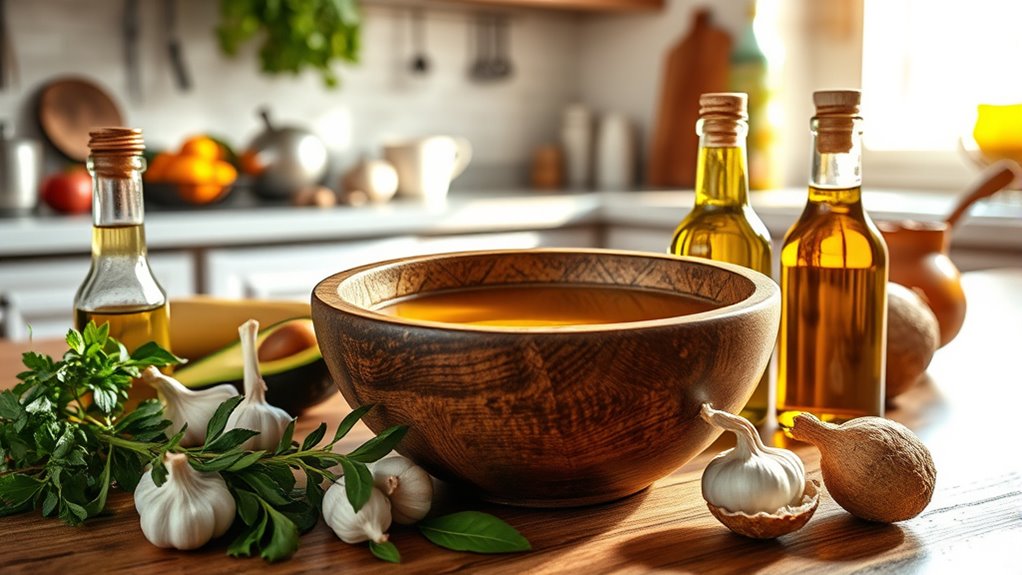
Choosing the right cooking oils is essential for maintaining a healthy diet. Not all oils are created equal, and selecting the best ones for your cooking depends on understanding their properties. One important factor to consider is the types of omega 3 fatty acids they contain, which are vital for heart health and brain function. There are mainly two types of omega 3s found in foods: ALA (alpha-linolenic acid), primarily present in plant oils like flaxseed and chia seed oil, and EPA (eicosapentaenoic acid) and DHA (docosahexaenoic acid), which are abundant in fish oils. If you’re aiming to boost your omega 3 intake, incorporating oils rich in ALA, like flaxseed oil, can be beneficial, but keep in mind that your body converts ALA into EPA and DHA at a limited rate. Therefore, supplementing with fish oils or consuming fatty fish remains an effective way to ensure you’re getting enough of these essential fatty acids.
Alongside understanding omega 3 types, you need to pay attention to smoke point considerations when choosing your cooking oils. The smoke point is the temperature at which an oil begins to smoke and break down, releasing harmful compounds and unpleasant flavors. For high-heat cooking methods like frying or sautéing, you should opt for oils with a higher smoke point—such as avocado oil, refined coconut oil, or light olive oil—to prevent degradation and maintain nutritional integrity. Conversely, for salad dressings or drizzling over dishes after cooking, oils with lower smoke points, like extra virgin olive oil or unrefined sesame oil, are better choices because their delicate flavors are preserved without the risk of smoking.
It’s important to match your cooking method with the right oil to maximize health benefits and flavor. For example, if you’re searing vegetables or frying, using an oil with a high smoke point ensures you avoid harmful compounds and preserve the oil’s nutritional qualities. When preparing dressings or finishing dishes, using oils with lower smoke points allows you to enjoy their full flavor and antioxidant properties. Remember, heating oils beyond their smoke point not only diminishes their nutritional value but can also produce harmful substances that may affect your health.
extra virgin olive oil for salads
As an affiliate, we earn on qualifying purchases.
As an affiliate, we earn on qualifying purchases.
Frequently Asked Questions
Which Cooking Oils Have the Highest Smoke Points?
You should choose oils with high smoke points like avocado, refined safflower, or refined peanut oil for better smoke point comparison. These oils offer superior oil stability during frying, allowing you to cook at higher temperatures without breaking down or smoking excessively. Using oils with high smoke points reduces the risk of harmful compounds forming, ensuring your fried foods stay tasty and healthy.
Are There Any Oils Suitable for Baking?
Yes, many oils are suitable for baking. You should choose oils with mild flavor profiles, like canola, vegetable, or light olive oil, to complement your baked goods. These oils work well with various baking techniques, providing moisture and richness without overpowering flavors. Opt for oils with high smoke points for recipes involving higher temperatures, ensuring your baked treats turn out perfectly and remain delicious.
How Do Storage Conditions Affect Oil Quality?
You should store oils in a cool, dark place to maintain their quality. Keep the storage temperature low, ideally between 60-70°F, to slow oxidation. Avoid exposing the oil to direct light, which can degrade its nutrients and cause rancidity. Guarantee containers are tightly sealed to prevent exposure to air, which also accelerates spoilage. Proper storage helps preserve flavor, aroma, and nutritional value, extending the oil’s shelf life.
Can Cooking Oils Impact Hormone Levels?
Imagine you’re regularly cooking with soybean oil, which is high in omega-6 fatty acids. This can disrupt your hormonal balance and affect endocrine health over time. Cooking oils like soybean or corn oil, when consumed excessively, may promote inflammation and interfere with hormone regulation. To support your hormonal health, choose oils like olive or avocado, which help maintain endocrine balance and contribute to overall well-being.
Are There Organic Options for Healthy Cooking Oils?
Yes, you can find organic options for healthy cooking oils. Look for oils with organic certification to guarantee they meet strict standards free from synthetic pesticides and fertilizers. Additionally, choose brands that prioritize sustainable sourcing to support environmentally friendly practices. These organic oils not only promote better health but also contribute to ecological balance, so you can cook confidently knowing you’re making a responsible and nourishing choice.
As an affiliate, we earn on qualifying purchases.
Conclusion
Choosing the right cooking oils can make a big difference in your health. For example, swapping out traditional vegetable oil for extra virgin olive oil in your salad dressings can boost your intake of healthy fats. Imagine a friend who switched to avocado oil for frying—she noticed improved energy and better skin within weeks. Remember, using the right oils not only enhances flavor but also supports your overall wellness. Start small and enjoy the benefits!
As an affiliate, we earn on qualifying purchases.
As an affiliate, we earn on qualifying purchases.
Fall Picks
fall essentials
As an affiliate, we earn on qualifying purchases.