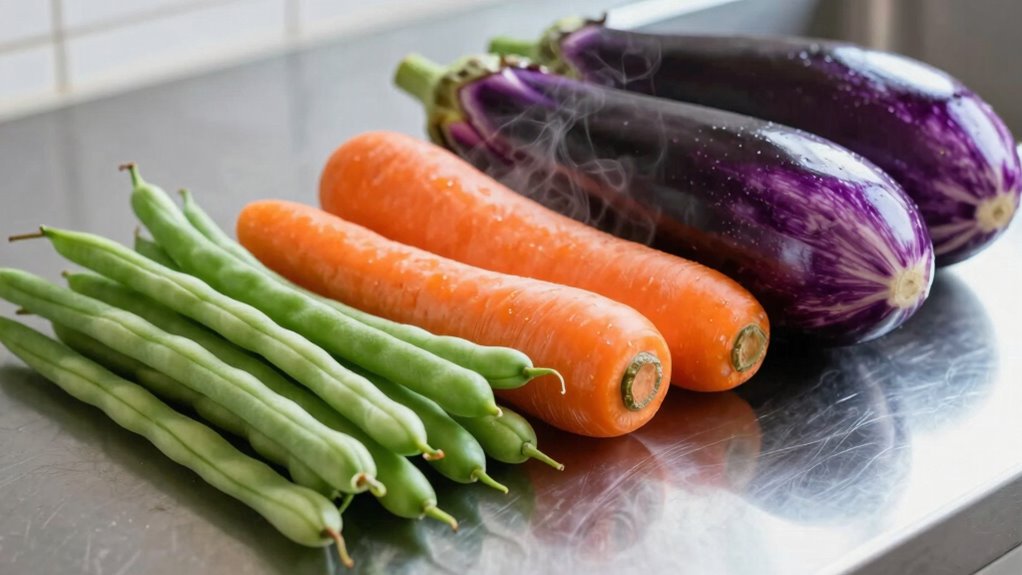

To preserve texture, focus on quick, gentle cooking methods like steaming, sautéing, and blanching. Steaming maintains vegetables’ crispness and vibrant color while avoiding nutrient loss. Sautéing quickly develops flavor and keeps vegetables tender yet crisp. Blanching briefly sets the texture and color before cooling down, preventing overcooking. Avoid boiling or prolonged simmering, as these make veggies mushy and nutrient-depleted. Keep these techniques in mind—exploring further can help you master perfect textures every time.
Listen free for 30 days with Audible
Thousands of audiobooks and originals — cancel anytime.
As an affiliate, we earn on qualifying purchases.
Key Takeaways
- Steaming gently cooks vegetables while maintaining their natural texture and vibrant color.
- Sautéing quickly preserves crunch and prevents mushiness by using high heat for short durations.
- Blanching briefly softens vegetables while retaining firmness and bright appearance.
- Avoid boiling or prolonged simmering, which cause mushy texture and nutrient loss.
- Use quick, gentle methods like steaming, sautéing, and blanching for optimal texture preservation.
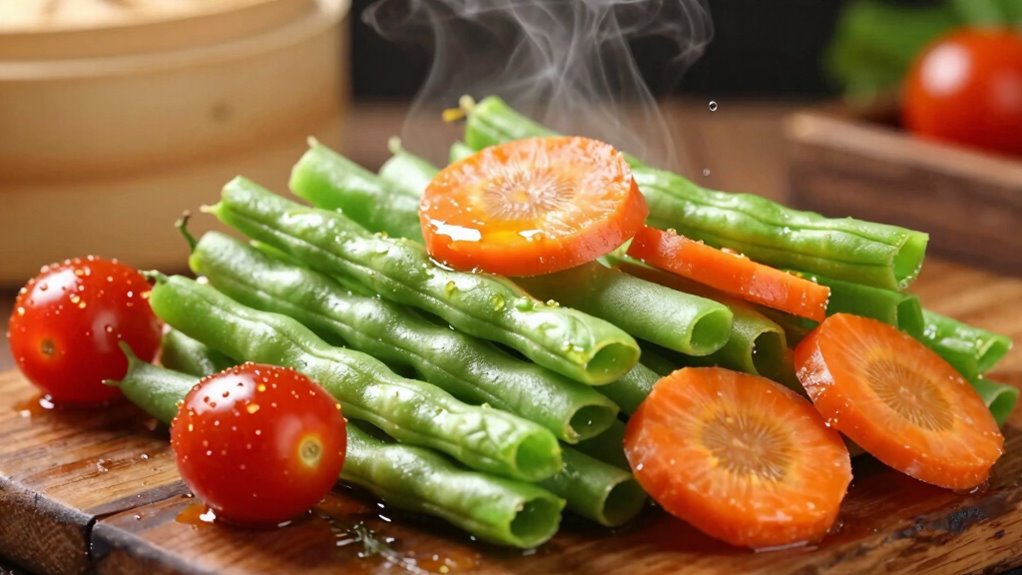
Cooking vegetables properly can enhance their flavor, texture, and nutritional value. When you choose the right method, you not only make your vegetables more appealing but also preserve their essential nutrients. For instance, quick cooking techniques like steaming or sautéing help retain the vibrant colors and crispness that make vegetables enjoyable to eat. These methods are excellent for flavor enhancement because they concentrate natural flavors without overpowering them with heavy sauces or prolonged cooking. Plus, they minimize nutrient loss, ensuring you get the maximum health benefits from your produce.
Properly cooking vegetables preserves flavor, texture, and nutrients for maximum enjoyment and health benefits.
Steaming stands out as one of the best ways to preserve both texture and nutrients. You place vegetables above boiling water, allowing heat to gently cook them while keeping their structure intact. This method prevents the leaching of water-soluble vitamins, such as vitamin C and B vitamins, which are prone to dissolving in cooking water. As a result, steaming helps you enjoy vegetables that are tender yet still retain their natural crunch and bright color. It’s a simple, efficient technique that amplifies flavor naturally because the vegetables aren’t masked by excessive seasoning or overpowering flavors. Using gentle cooking methods like steaming also aligns with sustainable living practices by reducing energy consumption and minimizing nutrient waste.
Sautéing is another effective method that preserves texture and enhances flavor through quick, high-heat cooking. When you sauté vegetables in a small amount of oil or butter, they develop a slightly caramelized exterior that boosts their natural sweetness and adds depth to their taste. Since the process is fast, vegetables don’t lose their crunch or become mushy, maintaining a pleasant mouthfeel. This method also helps retain nutrients because the short cooking time limits nutrient degradation. Plus, you can add herbs, garlic, or spices during the process, further boosting flavor without sacrificing nutritional quality.
Blanching is a technique often used before freezing vegetables or preparing them for further cooking. You immerse vegetables in boiling water briefly, then transfer them to ice water to halt the cooking process. This method preserves a firm texture and vibrant color, making it ideal for vegetables like green beans or broccoli. Nutrient retention is high because the brief exposure to heat prevents extensive nutrient loss. Additionally, blanching enhances flavor by softening vegetables slightly and making them more receptive to seasonings in subsequent cooking steps.
In contrast, methods like boiling or prolonged simmering tend to diminish both texture and nutrients. Vegetables cooked too long often turn mushy and lose their bright appearance, while water-soluble vitamins leach out into the cooking water. To maximize texture preservation and flavor enhancement, stick to quick, gentle techniques like steaming, sautéing, and blanching. These methods allow you to enjoy vegetables at their best—crisp, colorful, flavorful, and nutrient-rich.
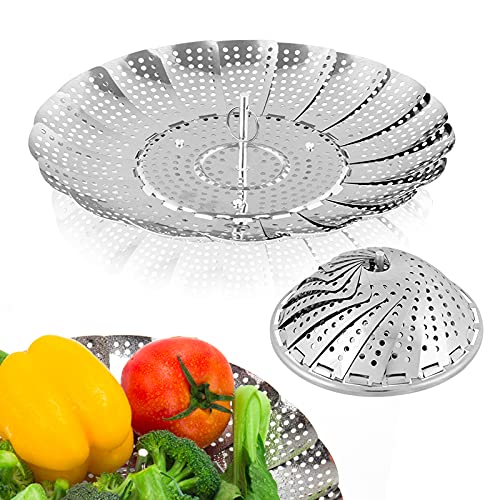
Vegetable Steamer Basket, Premium Stainless Steel Veggie Steamer Basket – Folding Expandable Steamers to Fits Various Size Pot Small by SAYFINE (5.5" to 9.2")
- Premium Stainless Steel Design: Food-grade stainless steel petals for healthy steaming
- Adjustable Size Fits Most Pots: Expands up to 9.2 inches for various pots
- Compact Folding for Storage: Folds easily to save space when not in use
As an affiliate, we earn on qualifying purchases.
As an affiliate, we earn on qualifying purchases.
Frequently Asked Questions
Which Cooking Method Retains the Most Nutrients in Vegetables?
Steaming retains the most nutrients in vegetables because it uses minimal water and short cooking times, preserving nutrients effectively. When you choose steaming as your cooking technique, you minimize nutrient loss, especially water-soluble vitamins. Avoid boiling or overcooking, as these methods can leach nutrients into water or degrade them. By opting for steaming, you guarantee your vegetables stay nutritious, flavorful, and retain their original texture better.
How Does Overcooking Affect Vegetable Texture?
Overcooking softens vegetables, making their textures mushy and unappealing. When you leave vegetables on the heat too long, they lose their firmness and crunch, which can ruin the dish’s overall feel. Additionally, improper storage can cause texture deterioration over time, making vegetables limp or slimy. To keep their ideal texture, cook vegetables just until tender and store them properly to preserve their freshness and firmness.
Are There Specific Vegetables That Don’T Hold Their Texture Well?
You’ll notice that delicate vegetables like zucchini often don’t hold their texture well. For example, if you peel zucchini, it’s more prone to texture degradation when cooked, becoming mushy quickly. This is because peeling removes the skin, which helps maintain firmness and structure. To keep their texture intact, avoid overcooking and handle these vegetables gently, preserving their natural bite and preventing them from turning overly soft too soon.
What Tools Best Preserve Vegetable Texture During Cooking?
You should use sharp kitchen gadgets like paring knives or vegetable peelers for delicate vegetable peeling, which helps preserve texture. Tools like mandoline slicers or specialized vegetable cutters guarantee even, gentle cuts, reducing damage during cooking. These gadgets minimize crushing or bruising, maintaining the vegetable’s structure. Always handle tools carefully to avoid over-processing, and choose the right tool based on the vegetable to keep its texture firm and appealing during cooking.
Can You Freeze Vegetables Without Losing Their Texture?
Absolutely, you can freeze vegetables without losing their texture—if you master the art of freezing techniques. Just blanch your veggies first, then cool quickly to lock in their crunch and color. Use airtight containers or freezer bags to prevent freezer burn. Follow these steps, and you’ll preserve texture beautifully, making your frozen vegetables nearly as fresh as when they first left the garden—minus the summer sun, of course.

SENSARTE Nonstick Frying Pan Skillet with Lid, 12 Inch Large Deep Frying Pan, 5 Qt Non Stick Saute Pan with Cover, Induction Pan, Healthy Non Toxic Cooking Pan with Helper Handle, PFOA PFOS Free
- Healthy Nonstick Surface: Swiss ILAG coating, free of toxic materials
- Super Nonstick Performance: Effortless food release, less oil needed
- Induction Compatible: Heavy-duty cast aluminum, heats evenly
As an affiliate, we earn on qualifying purchases.
As an affiliate, we earn on qualifying purchases.
Conclusion
So, next time you want perfectly textured veggies, remember the methods that keep their crunch and bite—no matter how tempting it is to drown them in sauces or overcook them. Ironically, the simplest techniques often deliver the best results, yet we’re all tempted to take shortcuts. Embrace the art of gentle cooking, and you’ll enjoy vegetables with their natural charm intact—proof that sometimes, less really is more. Happy cooking!

AVLA Asparagus Pot, 4 Quart Stainless Steel Steamer Cooker, Vegetable Asparagus Cooker with Removable Basket and Lid for Pasta, Spaghetti, Boiled Eggs, Shrimp, Oil Deep Fry Pan for French Fries
- Durable Stainless Steel Construction: Heavy-duty, impact-bonded bottom for even heat
- Versatile Cooking Options: Steamer, strainer, and cooking vessel in one
- Includes Mesh Basket: For draining, steaming, and rinsing vegetables and pasta
As an affiliate, we earn on qualifying purchases.
As an affiliate, we earn on qualifying purchases.

ZOCY Steamer Basket, Stainless Steel Vegetable Steam Baskets for Steaming Cooking Expandable to Fit Various Size Pot (5.5" to 9.3")
- [PREMIUM QUALITY MATERIAL] – The foldable steamer basket…
- [ADJUSTABLE SIZE] – Opens like a water lily…
- 【REMOVABLE CENTER POST 】- 2.4" Central post helps…
As an affiliate, we earn on qualifying purchases.
As an affiliate, we earn on qualifying purchases.
Flea & tick season Picks
flea and tick prevention
As an affiliate, we earn on qualifying purchases.