To keep your kitchen safe, wash your hands thoroughly before handling ingredients and after touching raw meats. Keep raw foods separate from cooked or fresh produce, and store leftovers properly. Use a thermometer to guarantee meats are cooked to the right temperatures, and refrigerate perishables promptly. Regularly clean surfaces, utensils, and trash bins to prevent bacteria buildup. Mastering these habits helps prevent illness—continue exploring to learn more essential tips for safe cooking.
Key Takeaways
- Wash hands thoroughly before handling ingredients and after touching raw meats to prevent cross-contamination.
- Keep raw meats separate from vegetables and cooked foods, using sealed containers to avoid juice transfer.
- Use a thermometer to ensure foods reach safe internal temperatures, reducing the risk of foodborne illness.
- Regularly sanitize kitchen surfaces, utensils, and cutting boards, especially after handling raw ingredients.
- Refrigerate perishables promptly at or below 40°F and consume leftovers within 3-4 days for safety.

Ever wondered how to keep your kitchen safe and prevent foodborne illnesses? The key lies in understanding how to manage foodborne pathogens and maintain proper kitchen sanitation. These tiny microorganisms can cause serious health issues if not handled correctly, so it’s essential to incorporate good practices into your daily routine.
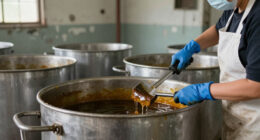
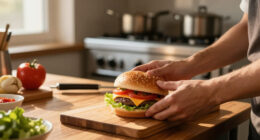
First, focus on preventing the spread of foodborne pathogens by practicing diligent kitchen sanitation. Always wash your hands thoroughly with soap and water before handling any ingredients, especially after touching raw meat, poultry, or seafood. This simple step helps stop bacteria from transferring to other foods or surfaces. Keep your kitchen surfaces, cutting boards, and utensils clean by sanitizing them regularly with hot, soapy water or a suitable disinfectant. This reduces the risk of cross-contamination, which is a common way for pathogens to spread from raw to cooked foods.
Practice diligent handwashing and sanitize surfaces regularly to prevent cross-contamination in the kitchen.
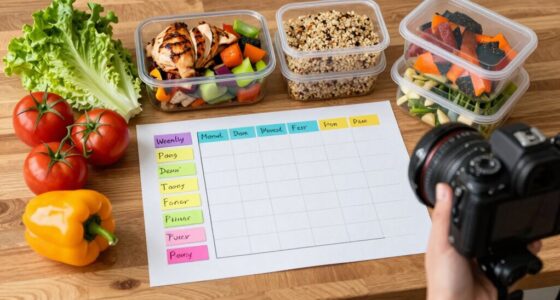
When preparing ingredients, be mindful of how you store them. Keep raw meats separate from vegetables, fruits, and cooked foods. Use sealed containers or plastic wrap to prevent juices from raw meat contaminating other items. Always refrigerate perishables promptly—ideally within two hours of purchase or preparation—to slow down bacteria growth. For leftovers, store them in airtight containers and consume within a safe timeframe, typically three to four days.
Proper temperature control is another crucial aspect of kitchen sanitation. Use a food thermometer to ensure your cooked foods reach safe internal temperatures, such as 165°F for poultry and 145°F for steaks. Also, keep your refrigerator at or below 40°F and your freezer at 0°F to inhibit the growth of foodborne pathogens. When thawing frozen foods, do so in the refrigerator, cold water, or microwave—not on the counter—since bacteria thrive in warm environments.
Additionally, using a thermometer to check for proper doneness can significantly reduce the risk of foodborne illness. Finally, be vigilant about cleaning up spills immediately and disposing of trash regularly. This practice minimizes clutter and reduces the chances for bacteria to thrive. Remember, safe food handling isn’t just about cooking properly; it’s about creating a clean environment where pathogens can’t survive or spread. By maintaining kitchen sanitation and practicing safe food handling, you’ll considerably lower your risk of foodborne illnesses. Making these habits a routine will not only protect your health but also ensure your kitchen remains a safe space for preparing delicious, wholesome meals.
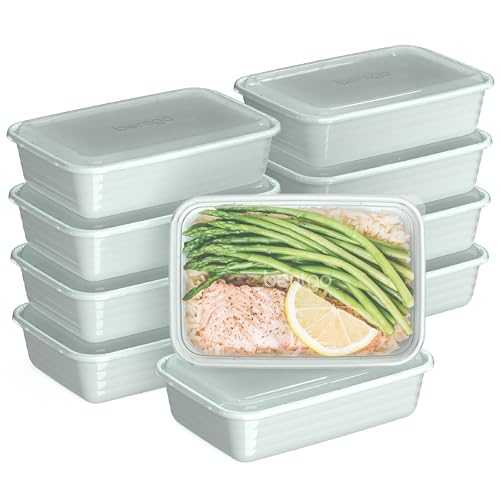
Bentgo Prep Meal Prep Containers with Lids, 20 Piece, PFAS & BPA-Free
- Top Brand for Meal Prep: Popular lightweight 20-piece set
- Easy Portion Control: 4-cup capacity with embossed measurements
- Food Freshness & Organization: Stackable lids for freshness and storage
As an affiliate, we earn on qualifying purchases.
Frequently Asked Questions
How Often Should I Replace My Kitchen Sponge?
You should replace your kitchen sponge every one to two weeks to guarantee proper sponge maintenance and prevent bacterial buildup. Regularly disinfect it by microwaving damp sponges or running them through the dishwasher. If you notice it’s frayed, smells bad, or stays damp for too long, it’s time for proper sponge disposal. This routine helps keep your kitchen hygienic and reduces the risk of cross-contamination.
What’s the Safest Way to Thaw Frozen Meat?
Thaw frozen meat safely by using proper thawing methods, like refrigerator thawing, which keeps it at a steady, safe temperature—think of it as a gentle wake-up call for your meat. You can also thaw in cold water, changing the water every 30 minutes, or use the microwave’s defrost setting. Always handle meat safely by avoiding room temperature thawing, preventing bacteria from turning your kitchen into a petri dish.
Can Cross-Contamination Occur Without Visible Signs?
Yes, cross-contamination can happen without visible signs. Hidden bacteria and invisible contamination often lurk on surfaces, utensils, and raw ingredients, making it easy to spread germs unnoticed. You might see no color change or residue, but pathogens can still be present. Always clean and sanitize everything thoroughly, especially after handling raw meat or eggs, to prevent the unseen spread of bacteria that could cause illness.
How Long Can Cooked Leftovers Safely Stay in the Fridge?
You should store cooked leftovers in the fridge for no more than 3 to 4 days, following food safety guidelines. Proper leftover storage prevents bacteria from growing and ensures food remains safe to eat. Always use airtight containers, label leftovers with dates, and reheat thoroughly before consuming. If leftovers smell off or look unusual, discard them to prevent foodborne illness and maintain kitchen safety.
Are There Specific Cleaning Products Recommended for Kitchen Surfaces?
Think of your kitchen surfaces as the battleground where germs try to hide; you need a trusty shield. Natural disinfectants and food safe cleaners are your best allies—like gentle warriors that wipe out bacteria without harsh chemicals. Use them regularly on countertops, cutting boards, and sinks. These products keep your kitchen safe, sparkling, and ready for the next culinary adventure without risking contamination or illness.

Instant Pot Duo 7-in-1 Electric Pressure Cooker, Slow Cooker, Rice, Steamer, Sauté, Yogurt Maker, Warmer & Sterilizer, Includes App With Over 800 Recipes, Stainless Steel, 6 Quart
- 7 Cooking Functions: Multiple cooking modes in one appliance
- Customizable Smart Programs: 13 one-touch cooking options
- Safe Steam Release: Easy and safe steam release switch
As an affiliate, we earn on qualifying purchases.
Conclusion
By following these kitchen food safety tips, you can considerably reduce your risk of foodborne illnesses. Did you know that improper food handling causes 48 million illnesses each year in the U.S.? Staying vigilant with proper hygiene, storage, and cooking practices keeps your family safe and healthy. Remember, a clean kitchen and careful ingredient handling aren’t just habits—they’re essential steps to enjoy delicious, worry-free meals every time.

KitchenAid Artisan, 5-Qt Tilt Head Stand Mixer, KSM150PS, Milkshake
- Durable Metal Construction: Built to last with 59 touchpoints
- 5-Quart Stainless Steel Bowl: Handles small or large batches, dishwasher safe
- Tilt-Head Design: Easy ingredient addition and access to bowl
As an affiliate, we earn on qualifying purchases.
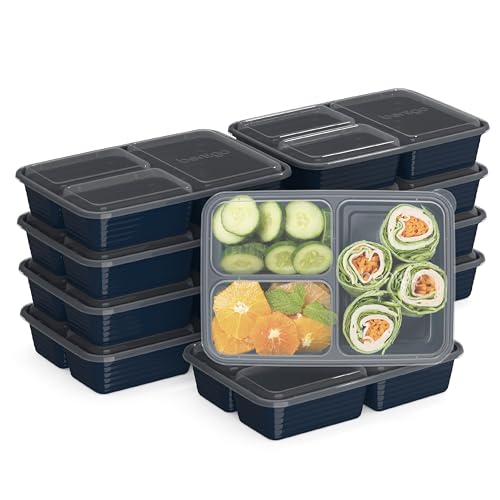
Bentgo Prep 3-Compartment Meal Prep Containers with Lids, 20 Piece Set
- Top Brand for Meal Prep: Bentgo is the leading meal prep brand
- Complete 20-Piece Set: Includes ten trays and lids for freshness
- Three-Compartment Design: Separate sections for balanced meals
As an affiliate, we earn on qualifying purchases.