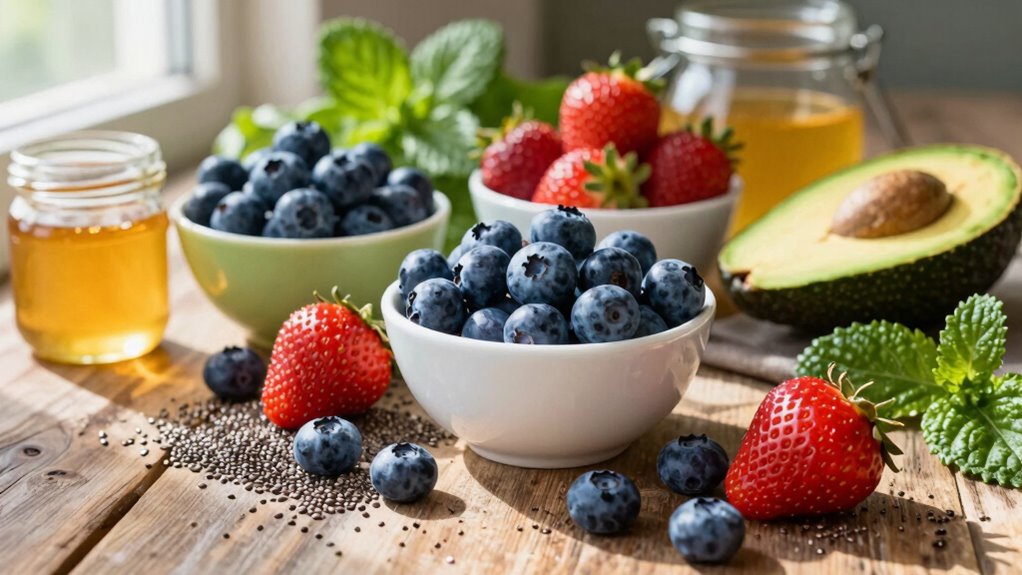

To support your health naturally, include functional foods like yogurt, berries, and whole grains in your diet. These foods boost gut health with probiotics, fiber, and antioxidants, helping strengthen your immune system. A diverse diet rich in colorful fruits and veggies encourages better nutrient absorption and long-term resilience. Making conscious choices to prioritize these foods can become your new normal, and if you stay committed, you’ll discover more ways to enhance your overall well-being.
Key Takeaways
- Incorporating probiotic-rich fermented foods boosts gut microbiome diversity and enhances immune health.
- Consuming antioxidant-rich fruits and vegetables supports immune response and reduces inflammation.
- Dietary fiber from whole grains and legumes promotes gut health and modulates immune function.
- A varied diet with colorful foods provides essential nutrients and bioactive compounds for overall well-being.
- Practical food choices, like adding berries or fermented vegetables, help maintain a healthy, resilient immune system.

Have you ever wondered how certain foods can do more than just satisfy your hunger? The truth is, some foods are packed with nutrients that actively promote your health, especially when it comes to gut health and immune boosting. These functional foods aren’t just about filling you up—they’re about fueling your body in ways that support your overall well-being. When you choose foods rich in probiotics, fiber, and antioxidants, you’re giving your digestive system the tools it needs to work efficiently, helping to prevent issues like bloating, indigestion, and even more serious gut-related conditions. A healthy gut isn’t just about digestion; it’s the foundation of your immune system. When your gut flora is balanced, it can better defend against pathogens, reducing your likelihood of falling ill. Incorporating fermented foods like yogurt, kefir, sauerkraut, or kimchi into your diet can considerably boost your gut health, thanks to their live beneficial bacteria. These probiotics help restore and maintain the diversity of your gut microbiome, which is essential for immune function and overall health. Additionally, local automation in food production and storage can help preserve the freshness and nutritional quality of functional foods. But gut health isn’t the only benefit functional foods offer. Many of these foods contain bioactive compounds like flavonoids, polyphenols, and vitamins that actively enhance your immune response. Berries, citrus fruits, and leafy greens are excellent sources of antioxidants, which combat oxidative stress and reduce inflammation—both of which can weaken your immune defenses. Including a variety of colorful fruits and vegetables in your meals ensures you’re getting a broad spectrum of nutrients that work together to support immune boosting. Furthermore, fiber-rich foods like oats, beans, and whole grains not only promote gut health but also help modulate your immune system, keeping inflammation in check and boosting your body’s ability to fight off infections. Consuming functional foods regularly can lead to long-term health benefits by establishing sustainable dietary habits. Incorporating these foods into your diet can also aid in nutrient absorption, ensuring your body makes the most of the nutrients you consume. Additionally, choosing foods with antioxidant properties can help your body combat oxidative stress more effectively. Eating a diverse range of these beneficial foods can also support your immune health, making your body more resilient against illness. You can easily integrate these functional foods into your daily routine. Swap out processed snacks for nuts and seeds, add a handful of berries to your morning oatmeal, or include fermented vegetables as a side dish. These simple choices can have a profound impact on your health over time. Remember, it’s not just about individual superfoods but creating a balanced diet that prioritizes gut health and immune boosting. By making conscious food choices, you’re actively supporting your body’s natural defenses and laying the groundwork for a healthier, more resilient you. Eating for health isn’t a trend; it’s a lifestyle that empowers you to take control of your well-being, one nutritious bite at a time.
Frequently Asked Questions
Are Functional Foods Suitable for Children and Pregnant Women?
Yes, functional foods can be suitable for children and pregnant women when chosen carefully. They support pediatric nutrition and prenatal health by providing essential nutrients. However, you should consult with a healthcare professional before adding them to your diet, as some ingredients may not be appropriate for young children or during pregnancy. Always prioritize natural, whole foods and use functional foods as supplements to a balanced diet.
How Do Functional Foods Differ From Dietary Supplements?
You might think dietary supplements are the superhero of nutrition, but functional foods are the real game-changers. Unlike supplements, functional foods are intended for regular consumption and meet regulatory standards, ensuring safety and efficacy. They differ in bioavailability considerations, meaning your body absorbs their nutrients more naturally. This integration makes functional foods more effective for health benefits, while supplements often provide concentrated doses outside typical dietary patterns.
Can Functional Foods Replace Traditional Medicine?
You can’t rely solely on functional foods to replace traditional medicine. While they contain bioactive compounds that support health and may make health claims, they’re meant to complement, not substitute, medical treatments. Always consult your healthcare provider before making changes, especially if you’re managing health conditions. Functional foods can boost your well-being, but they shouldn’t replace prescribed medications or professional medical advice.
What Are the Potential Risks of Consuming Functional Foods Excessively?
You might think functional foods are completely safe, but consuming them excessively can lead to nutrient overload, causing side effects like nausea or constipation. Plus, there’s a risk of hidden allergens that could trigger allergic reactions. Overdoing it can also mask underlying health issues or lead to imbalanced nutrition. So, enjoy these foods in moderation and always check labels to avoid hidden allergens and nutrient overload.
How Can I Identify Genuine Functional Food Products in Stores?
To identify genuine functional food products, check for clear labeling accuracy and ingredient transparency on the packaging. Look for reputable brands that provide detailed information about their ingredients and health benefits. Read the nutrition facts and any claims carefully, and verify certifications or seals from trusted organizations. Avoid products with vague descriptions or suspicious claims, and opt for those with transparent labeling to guarantee you’re choosing authentic functional foods.
Conclusion
As you embrace functional foods, you’re not just eating—you’re actively supporting your health every day. Some say these foods can truly boost immunity and prevent illness, and while science backs many benefits, it’s wise to stay balanced. Think of it this way: by making smarter food choices, you’re giving your body the extra edge it needs. So, trust in this new normal and enjoy the journey toward healthier, tastier living—your well-being will thank you.