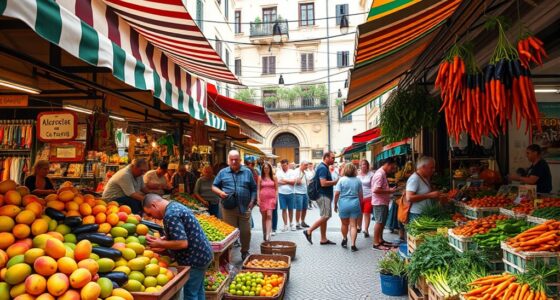
Begin a journey along the ancient spice route and discover how it connected civilizations through trade, culture, and cuisine. As you explore, you’ll see how spices like pepper, cinnamon, and saffron transformed local dishes and symbolized wealth and prestige. This historic network not only shaped culinary traditions worldwide but also created social and cultural bonds. Keep exploring to uncover the lasting legacy of the spice route and its influence on today’s diverse food practices.
Key Takeaways
- The ancient spice route connected civilizations, facilitating cultural exchanges and influencing culinary traditions across continents.
- Spices like pepper, cinnamon, and cloves traveled thousands of miles, transforming local cuisines with new flavors.
- Spices served as symbols of wealth and prestige, shaping social hierarchies and cultural identities.
- The trade fostered culinary fusion, blending flavors and techniques from Middle Eastern, Indian, European, and Asian cuisines.
- Modern global cuisine reflects the legacy of the spice route, showcasing its role in cultural innovation and culinary diversity.
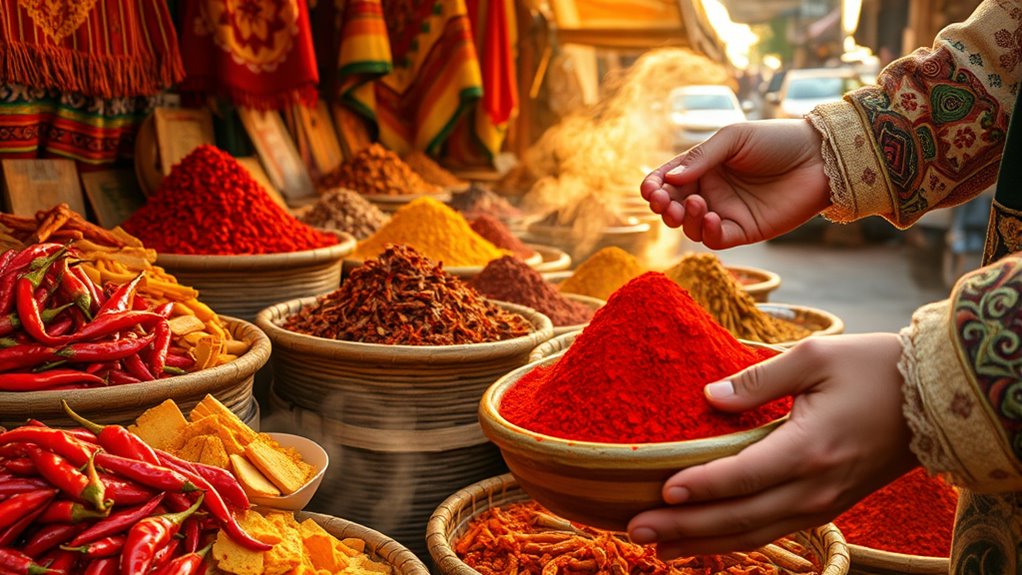
Starting on a journey along the ancient Spice Route offers a fascinating glimpse into history’s most valuable trade networks. As you traverse this legendary pathway, you uncover how spices like pepper, cinnamon, and cardamom traveled thousands of miles, shaping civilizations and fueling cultural exchanges. The historical spice trade wasn’t just about commodities; it was about connecting people, ideas, and flavors across continents. Every step along this route reveals stories of merchants, explorers, and communities that depended on these aromatic treasures. It’s a vivid reminder of how global commerce laid the foundation for the diverse culinary traditions you enjoy today.
As you explore the influence of the spice trade, you begin to see how it sparked culinary fusion across regions. Spices weren’t just used for flavor—they transformed local dishes, adding complexity and depth. For instance, the influence of Middle Eastern spices in Indian cuisine or the adoption of nutmeg and cloves in European recipes illustrates how trade created a tapestry of flavors. These interactions led to new tastes, techniques, and dishes that blended different traditions into something unique. You realize that your favorite curries, baked goods, and marinades are the results of centuries of culinary evolution driven by the historical spice trade. It’s a delicious affirmation of how trade routes facilitated not just the exchange of goods but also cultural innovation.
Traveling along the route, you notice how spices became symbols of wealth and prestige, often reserved for royalty and the wealthy. Their rarity and cost elevated them from simple ingredients to status symbols, influencing social customs and culinary practices. You might taste a dish infused with saffron, knowing it once signified luxury, or see how cinnamon was used in ceremonial foods. These culinary choices reveal how spices shaped social hierarchies and cultural identities, reinforcing their importance beyond mere flavor. It’s a vivid reminder that food, enriched by the historical spice trade, reflects social history as much as it does taste.
Top picks for "spice odyssey travel"
As an affiliate, we earn on qualifying purchases.
Frequently Asked Questions
How Did Spices Influence Ancient Trade Diplomacy?
Spices greatly influenced ancient trade diplomacy by fueling spice diplomatic negotiations and shaping ancient trade alliances. You see, control over valuable spices gave traders and nations leverage in negotiations, fostering alliances to secure supply routes. These diplomatic efforts helped establish powerful trading networks, boosting economic and political ties. As a result, spices became more than just flavorings—they were strategic assets that shaped the course of history through diplomacy and alliances.
What Were the Main Challenges Faced by Spice Traders?
Imagine you’re steering the treacherous waters of maritime navigation, facing unpredictable weather and pirates. You struggle with supply chain logistics, ensuring spices reach markets without spoilage or theft. These challenges symbolize the high stakes of spice trading—dangerous seas and complex routes. You must master accurate navigation and secure your cargo, overcoming obstacles that threaten your journey and profits, making every successful voyage a triumph against nature and rival traders.
Which Modern Countries Are the Key Spice Route Hubs?
You’ll find key spice route hubs today in countries like India, Singapore, and the UAE, which connect to historic Silk Road and maritime routes. These modern hubs serve as global trade centers, just like ancient traders relied on maritime routes to move spices across Asia, Africa, and Europe. They continue to facilitate spice trade, blending old pathways with new technology, ensuring spices reach markets worldwide efficiently.
How Did Spice Trade Impact Local Cultures Along the Route?
You see, the spice trade deeply influenced local cultures along the route. It introduced new spices that inspired unique spice blending traditions and fueled vibrant cultural festivals celebrating these flavors. As you explore, you notice how these festivals and culinary practices reflect a rich history of cross-cultural exchange. The trade not only brought wealth but also fostered a shared cultural identity, blending diverse influences into the vibrant traditions you can still experience today.
What Are Rare or Lost Spices From the Ancient Routes?
Many believe that rare or lost spices from ancient routes include the mysterious grains of paradise and the elusive silphium. These ancient spice varieties, often overshadowed by more common ones, hold forgotten spice origins that could revolutionize your culinary adventures. You might discover that these spices once held significant cultural and medicinal value, yet today, they’re nearly impossible to find, making them a true treasure for adventurous food enthusiasts.
Conclusion
As you journey along the ancient spice route, you realize that food is more than just sustenance—it’s a living thread connecting civilizations across time. Each spice you’ve tasted holds stories that could fill entire libraries, yet they whisper even louder when shared at a table. So, keep exploring, because understanding these flavors is like revealing the universe’s most treasured secrets—an adventure that transforms you into a storyteller of worlds beyond your own.