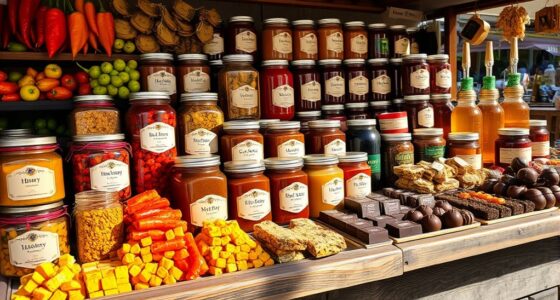
Explore Peru’s vibrant street snacks that go beyond ceviche, showcasing indigenous ingredients and regional flavors. From crispy churros and savory tamales wrapped in banana leaves to skewers of marinated beef hearts called anticuchos, these treats reflect centuries of culinary resilience. Rotating around native corn, potatoes, and peppers, Peru’s offerings reveal a rich culinary heritage rooted in tradition. If you keep exploring, you’ll discover even more flavorful stories behind these iconic tastes.
Key Takeaways
- Explore traditional Peruvian street snacks like anticuchos and picarones, which showcase indigenous ingredients and regional flavors.
- Discover how native ingredients such as aji amarillo, potatoes, and corn are used in diverse dishes beyond ceviche.
- Experience the cultural significance of snacks that reflect Peru’s rich history, indigenous practices, and culinary resilience.
- Learn about regional variations and traditional preparation methods that preserve Peru’s culinary heritage.
- Dive into local markets and street food scenes to taste authentic, heritage-rich Peruvian flavors.

Have you ever wondered what makes Peruvian cuisine so uniquely vibrant and flavorful? It’s a rich tapestry woven from a blend of indigenous ingredients, colonial influences, and regional traditions. One of the best ways to experience this diversity is through Peruvian street snacks. As you stroll through bustling markets and lively city streets, you’ll discover vendors offering a variety of quick bites that capture the essence of local flavors. These snacks are more than just quick eats; they’re a window into Peru’s culinary soul. From crispy churros sprinkled with sugar to savory tamales wrapped in banana leaves, each snack tells a story. Many of these treats rely heavily on indigenous ingredients like corn, potatoes, and native peppers, which have been cultivated in the region for thousands of years. These ingredients are the backbone of many street foods, lending authentic flavors that are both hearty and unique. For instance, one popular snack is *anticuchos*, skewers of marinated beef hearts seasoned with indigenous spices, grilled to perfection, and served with a spicy chili sauce. It’s a dish rooted in pre-Columbian traditions, showcasing the enduring importance of native ingredients in Peruvian cuisine. Another standout is *picarones*, sweet doughnuts made from squash and sweet potato, fried until golden and drizzled with chancaca syrup—an indigenous sweetener derived from raw sugar. These treats highlight the resourcefulness of Peruvian cooks, transforming simple indigenous ingredients into delightful desserts.
Additionally, the use of indigenous ingredients not only adds distinctive flavors but also helps preserve traditional agricultural practices and biodiversity. Beyond street snacks, the use of indigenous ingredients permeates many traditional dishes, from hearty stews to vibrant salads. You’ll find that potatoes, native to the Andes, are used in countless ways—often boiled, mashed, or fried—forming the foundation of many meals. Similarly, Peruvian peppers like aji amarillo add a distinctive kick of heat and complexity to sauces, soups, and marinades. This deep connection to indigenous ingredients isn’t just about flavor; it’s a reflection of Peru’s respect for its history and natural resources. When you sample these foods, you’re tasting centuries of tradition, resilience, and ingenuity. The country’s culinary scene is a celebration of its indigenous roots, preserved and adapted through generations. So, as you explore Peru’s vibrant street food scene, keep in mind that each snack and ingredient carries the legacy of a rich cultural heritage, blending the old with the new in every bite.

KitchenAid KGM All Metal Grain Mill Attachment
Grinds Low-Moisture Grains (Wheat, Corn, Rice, Etc;) From Coarse to Fine
As an affiliate, we earn on qualifying purchases.
Frequently Asked Questions
What Are Traditional Peruvian Desserts Besides Ceviche?
You’ll love exploring Peruvian desserts beyond ceviche. Traditional sweets like suspiro a la limeña, a rich caramel and meringue treat, and mazamorra morada, a purple corn pudding, stand out. Alfajores, delicate cookies filled with manjar blanco, are also popular. These desserts showcase Peru’s diverse flavors and ingredients, giving you a delicious taste of the country’s culinary heritage. Don’t miss trying these authentic traditional sweets during your visit.
How Do Local Peruvian Ingredients Influence the Cuisine?
You’ll notice how local Peruvian ingredients shape the cuisine by adding vibrant flavors and unique textures. Peruvian superfoods like quinoa, maca, and lucuma boost health benefits and authenticity. Indigenous spices such as aji amarillo and huacatay bring bold, distinctive tastes that define traditional dishes. These ingredients reflect Peru’s rich biodiversity and cultural heritage, making every meal a true culinary adventure rooted in the land’s natural bounty.
Are There Regional Variations in Peruvian Culinary Traditions?
Yes, you’ll notice regional variations in Peruvian culinary traditions, showcasing the country’s rich culinary diversity. In the coastal areas, seafood and ceviche dominate, highlighting fresh regional flavors. Meanwhile, in the Andes, hearty dishes with potatoes and corn reflect highland ingredients. The Amazon basin offers unique flavors from jungle ingredients. Exploring these regional differences allows you to savor Peru’s diverse culinary landscape and truly appreciate its vibrant, local flavors.
What Are Must-Try Street Foods in Peru?
You should definitely try popular local beverages like chicha morada and Inca Kola, which perfectly complement Peruvian street snacks. Don’t miss out on anticuchos, flavorful grilled meat skewers, or tamales wrapped in banana leaves. Street food stalls also serve picarones, sweet doughnuts, and empanadas filled with cheese or meat. These authentic bites and drinks give you a true taste of Peru’s vibrant street food scene.
How Do Peruvian Cooking Methods Differ From Other South American Cuisines?
Peruvian cooking methods stand out with their blend of Andean cooking and Coastal techniques, unlike other South American cuisines. Did you know that over 60% of traditional dishes incorporate both styles? You’ll notice that Andean cooking uses native ingredients like potatoes and corn, often prepared with open-flame roasting. Coastal techniques emphasize seafood and fresh herbs, creating vibrant flavors. This unique fusion defines Peru’s diverse culinary identity.
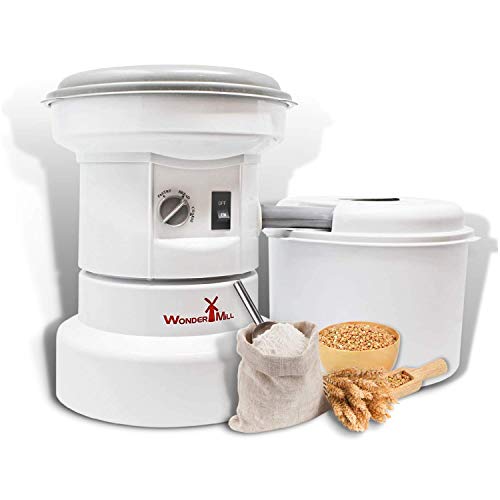
Powerful Electric Grain Mill Wheat Grinder for Home and Professional Use - High Speed Grain Grinder Flour Mill for Healthy Grains and Gluten-Free Flours - Electric Grain Mill by Wondermill,White
FASTER THAN THE COMPETITORS IN ITS PRICE RANGE - This electric grain mill grinder for flour is powered...
As an affiliate, we earn on qualifying purchases.
Conclusion
As you continue your culinary journey in Peru, you’ll find that the country’s flavors gently invite you to explore even more. Each dish offers a subtle whisper of tradition and innovation, beckoning you to savor every moment. Embrace the culinary secrets woven into every bite, allowing your taste buds to dance softly with new discoveries. In Peru, every meal becomes a gentle adventure, leaving you with cherished memories and a longing to uncover even more delightful surprises.

Electric Grain Mill Grinder, 2000W High-Speed 750g 304 Stainless Steel Professional grain mill for flour & Spice Grinder for Kitchen and Coffee Shop - Grinds Grains, Coffee, Dry Spices, Easy Operation
Unlock Professional-Grade Milling with the Yaofafa Grain Mill Grinder: Featuring a robust 2000W high-speed copper motor (28000 RPM)...
As an affiliate, we earn on qualifying purchases.

GVODE Grain Mill Attachment for Kitchenaid Stand Mixer, 9 Levels Flour Mill, Grain Mill for Flour, Fit for Non-Oily Dry Grain Corn, Coffee Bean Grinder, Oats, Millet, Wheat
This kitchenaid grain mill attachment fits all KitchenAid Stand Mixers—simply attach it to the power hub of any...
As an affiliate, we earn on qualifying purchases.