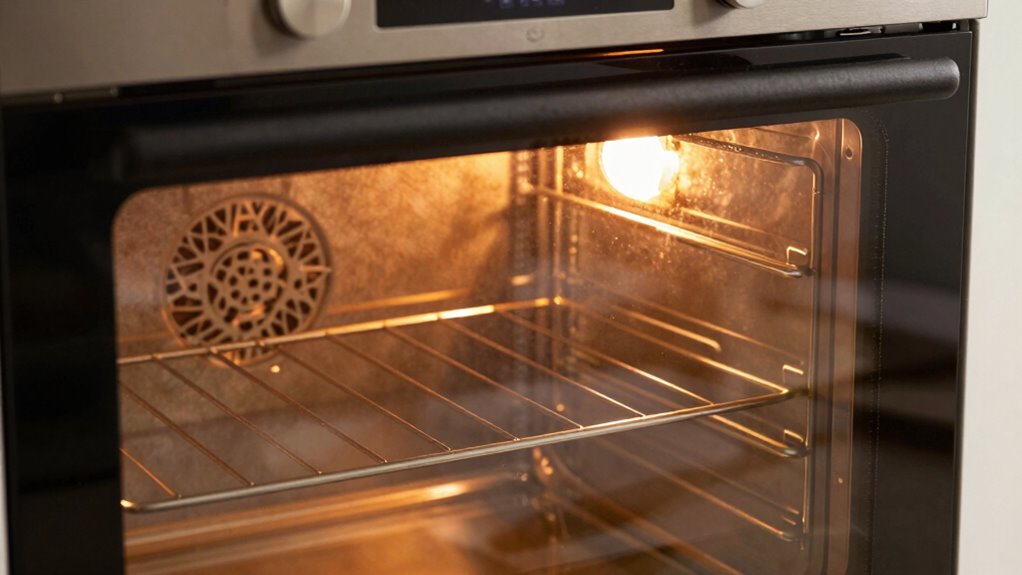

Preheating your oven longer helps it reach and stabilize at the right temperature, ensuring even heat distribution throughout. This prevents hot spots or cold patches that can cause uneven baking, browning, or undercooked centers. It also calibrates the temperature controls for accuracy, improving consistency for delicate recipes. Plus, a fully preheated oven uses energy more efficiently and reduces stress on its components. Keep going to uncover how proper preheating can elevate your baking to professional-quality results.
Listen free for 30 days with Audible
Thousands of audiobooks and originals — cancel anytime.
As an affiliate, we earn on qualifying purchases.
Key Takeaways
- Ensures the oven reaches and maintains a stable temperature for even baking results.
- Prevents hot spots or cold patches that cause uneven browning or undercooked areas.
- Calibrates oven sensors for accurate temperature control, reducing the need for recipe adjustments.
- Reduces energy fluctuations, improving efficiency and prolonging oven component lifespan.
- Provides a consistent heat environment ideal for delicate and precise baked goods.
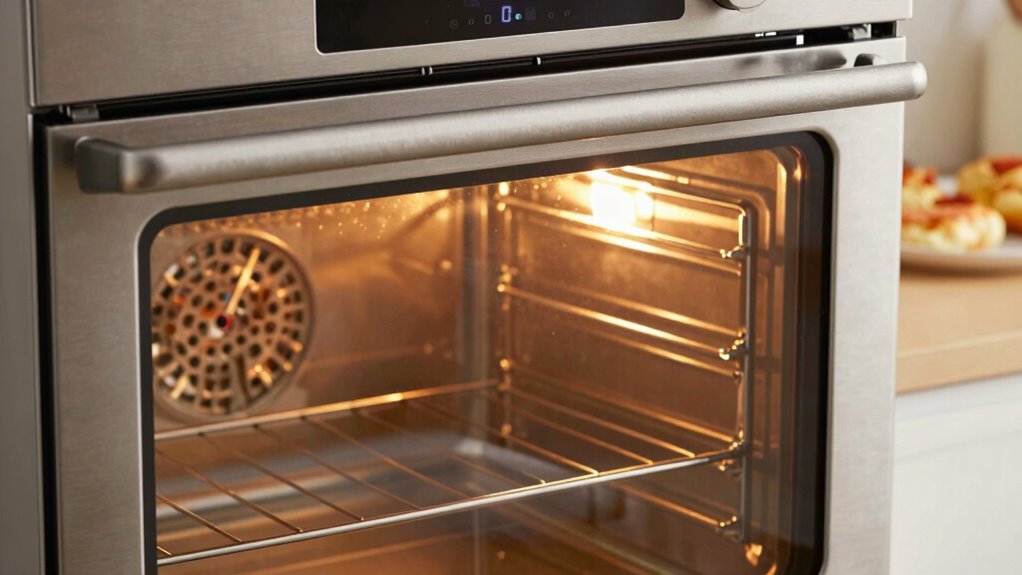
Preheating your oven longer might seem like a small detail, but it can considerably improve your baking results. When you take the extra time to guarantee your oven is fully heated before you start baking, you set the stage for more consistent, professional-quality outcomes. This practice helps you achieve better baking consistency because the temperature stabilizes throughout the oven, reducing the risk of hot spots or cold patches. As a result, your baked goods cook evenly, whether you’re making bread, cookies, or pastries. Without proper preheating, different parts of your oven may heat unevenly, leading to uneven rising, browning, or undercooked centers. Extending the preheating time allows the oven’s thermostat to reach and stabilize at the desired temperature, giving you a more dependable environment for your baked creations. Proper preheating also allows the oven’s temperature sensors to calibrate accurately, ensuring precise temperature control during baking. Additionally, a fully preheated oven helps avoid sudden temperature drops that can occur when opening the door during baking, maintaining a steady environment for your baked goods. Ensuring the oven is fully preheated helps prevent temperature fluctuations, which can impact the quality of your baked items.
In addition to improving your baking results, longer preheating can also influence oven energy use. When you start baking with a fully heated oven, you’re utilizing oven energy more efficiently. If you rush the preheating process or open the oven door prematurely, you might cause temperature fluctuations that force the oven to work harder to recover. This cycle consumes more energy, which can increase your utility bills over time. By allowing the oven to reach the right temperature gradually and stay steady, you’re reducing unnecessary energy consumption. It’s a small adjustment that not only benefits your baking but also makes your kitchen more energy-efficient and eco-friendly.
Furthermore, preheating longer helps your oven’s heating elements and sensors work at their best. When the oven reaches the right temperature slowly and completely, it minimizes stress on the heating components, extending their lifespan. This means your oven maintains consistent performance over time, which is vital for baking precision. You’ll notice that baked goods turn out better because the oven maintains a stable temperature throughout the process, not just at the start. This consistency is especially important for delicate recipes like soufflés or layered cakes, where even slight temperature variations can lead to failed results. Proper preheating also ensures the oven’s temperature stability, leading to more reliable baking outcomes. Additionally, a fully preheated oven reduces the likelihood of needing to re-bake or adjust recipes due to uneven heat distribution. Overall, taking the time to preheat thoroughly is a simple yet impactful step in achieving baking success.
As an affiliate, we earn on qualifying purchases.
Frequently Asked Questions
Does Oven Type Affect the Optimal Preheating Time?
Yes, oven type affects the ideal preheating time. For example, ovens with better insulation and heat retention take less time to reach and maintain the desired temperature. Conversely, poorly insulated ovens need more preheating to compensate for heat loss. You should consider your oven’s insulation quality and heat retention capabilities to determine the right preheating duration, ensuring consistent cooking results and energy efficiency.
How Does Preheating Impact Baking Consistency?
Preheating your oven guarantees the oven temperature stabilizes, which directly impacts baking precision. When you preheat properly, you create a consistent environment that helps your baked goods cook evenly and turn out perfectly every time. Without proper preheating, fluctuations in temperature can cause uneven baking, affecting texture and appearance. So, taking the time to preheat longer helps you achieve more predictable, professional results in your baking.
Can Preheating Reduce Cooking Time?
Like a well-orchestrated symphony, preheating can reduce your cooking time by ensuring temperature stability from the start. When your oven reaches the right heat quickly, you avoid unnecessary energy use, making it more energy-efficient. This steady temperature helps your baked goods cook evenly and faster, saving you time without sacrificing quality. So, preheating isn’t just about better results—it’s about efficiency and precision in your cooking process.
Is There a Risk of Over-Preheating the Oven?
Yes, there’s a risk of over-preheating the oven, which can compromise oven safety and increase energy consumption. Over-preheating might cause the oven to become too hot, potentially damaging internal components or creating a fire hazard. To avoid these issues, monitor the oven’s temperature and avoid leaving it preheated longer than necessary. This helps guarantee safety and reduces unnecessary energy use, keeping your cooking both safe and eco-friendly.
How Do Ambient Room Temperatures Influence Preheating Duration?
Ambient room temperatures greatly influence how long you should preheat your oven. If your kitchen’s cooler due to poor insulation, it takes longer for the oven to reach the desired temperature, so you should extend preheating time. Conversely, a warmer room helps the oven reach calibration faster. Always check your oven’s calibration and consider kitchen insulation factors to guarantee accurate preheating, avoiding under or over-heating.
As an affiliate, we earn on qualifying purchases.
Conclusion
So, next time you’re baking, don’t rush that preheat. Waiting just a little longer might seem trivial, but it can make all the difference in your results. Imagine that perfectly crisp crust or evenly baked center—closer than you think. The secret’s in the seconds you hesitate. Ready to see how a simple delay can transform your baking? Give it a try—you might just unleash your oven’s full potential. Your best bake yet is waiting.
As an affiliate, we earn on qualifying purchases.
As an affiliate, we earn on qualifying purchases.
Labor Day sales Picks
labor day deals
As an affiliate, we earn on qualifying purchases.