TL;DR

Get kitchen staples and gadgets delivered free with Prime
- Fast, free delivery on millions of items
- Prime Video, Amazon Music and more included
- Member-only deals all year
Good Housekeeping reviews analyst Eva Bleyer says testing the manual Zassenhaus Classic Bread Slicer changed her view of whether home bakers need a dedicated slicer. The publication gave it a 2027 Kitchen Award after lab and home testing, while noting that it takes up space and has an exposed sharp blade.
Good Housekeeping reviews analyst Eva Bleyer says testing the Zassenhaus Classic Bread Slicer changed her view of dedicated bread slicers, and the manual machine earned a 2027 Kitchen Award. Her report describes more consistent slices of homemade and bakery bread than she expected, while also noting the device’s storage demands and exposed blade.
The Zassenhaus is a manual countertop slicer with a beechwood base and four suction cups intended to hold it steady. Users turn a hand crank to move bread past the blade and select thickness with an adjustable dial. Bleyer reports that it can make slices from paper-thin cuts to pieces up to 0.7 inches thick, suitable for thick toast.
Bleyer first tested the machine in the Good Housekeeping Institute’s Kitchen & Cooking Lab with a sourdough loaf also used in the lab’s bread-knife evaluations, then used one at home. She says it cut olive sourdough, a crusty baguette, everything bagels and soft sandwich bread. Consumer testers also tried sandwich, French, Italian, sourdough, pumpernickel and gluten-free breads, then provided feedback through surveys.
The report says the slicer produced even cuts after a short period of adjusting to the thickness setting, and that its suction cups kept it in place during use. Bleyer says cleanup was straightforward for ordinary crumbs, using a damp cloth. The report does not provide a price, sales data or a quantified comparison of slicing speed against a knife, so its endorsement rests on testing and user feedback rather than a published performance metric.
Why Even Sourdough Slices Matter
For people who bake or buy whole artisan loaves, slice consistency can affect how easily bread fits into sandwiches and toast. Bleyer’s account suggests a dedicated slicer may be useful when a crusty loaf is difficult to cut evenly with a knife, particularly for those who want to choose their own slice thickness.
The recommendation is conditional, not a claim that every kitchen needs the machine. Good Housekeeping notes that a bread knife is smaller, easier to store and more versatile, and may cost less. The slicer’s value depends on how often someone handles whole loaves and whether even cuts outweigh the countertop space and added cleaning and safety considerations.
Products Worth Considering

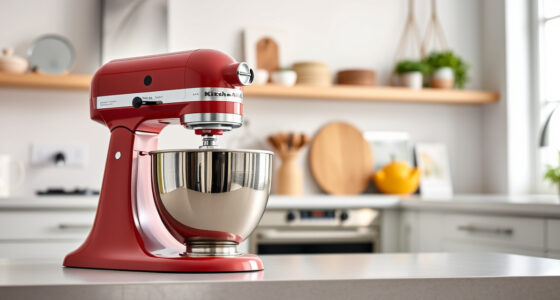
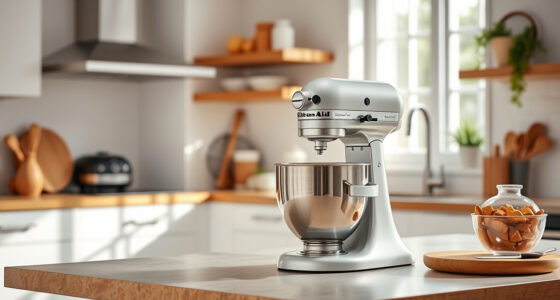
KitchenAid Classic Series 4.5 Quart Tilt-Head Stand Mixer K45SS, Onyx Black

KitchenAid Artisan 5-Quart Tilt-Head Stand Mixer, Almond Cream

KitchenAid Artisan Series 5-Quart Tilt-Head Stand Mixer, Dried Rose (KSM150PS)
As an affiliate, we earn on qualifying purchases.
How the Slicer Was Evaluated
The report is a product review, not an announcement of a new product launch or a broad scientific study. Bleyer identifies herself as a reviews analyst at the Good Housekeeping Institute Kitchen & Cooking Lab and says she regularly bakes and buys sourdough. Her assessment combines lab use, home use and feedback from consumer testers.
The review distinguishes the machine’s strongest use—making repeatable slices from plain loaves—from the wider jobs a bread knife can handle. Bleyer advises against using the slicer for breads with sticky fillings or toppings, which can be difficult to remove from the blade. The report also says slicing a loaf exposes more of it to drying, so users should cut only what they plan to eat.
“I cannot emphasize how much I didn’t realize I needed this.”
— An at-home consumer tester quoted by Good Housekeeping
Price, Safety and Daily Use
The source does not state the slicer’s price, warranty, availability or dimensions, making it difficult to judge its value against a particular bread knife or kitchen setup. It also does not give sample sizes for the consumer-testing group or numerical results from the surveys. The award and review reflect Good Housekeeping’s reported evaluation, not a guarantee that every user will have the same experience.
Safety remains a practical concern: the blade is described as very sharp and accessible if the slide adjuster is not returned to its original position. The report does not detail a formal safety test or specify additional safeguards. It also does not establish how well the blade handles every loaf type or how much maintenance it may require over longer-term use.
What Buyers Should Check
The report does not announce a follow-up test or product change. Readers considering the slicer can compare its current price and storage footprint with the cost and flexibility of a bread knife, then review the manufacturer’s instructions for securing the machine and handling its blade. The source says the four suction cups helped it stay in place during Bleyer’s testing.
For routine use, the review suggests reserving the slicer for suitable loaves, wiping away crumbs after use and cutting only the portions needed for a meal. Whether it earns a permanent place on a counter will depend on how often a household slices whole bread and whether its preference for consistent cuts outweighs the space and blade-safety trade-offs.
Key Questions
What did Good Housekeeping report about the Zassenhaus bread slicer?
Reviews analyst Eva Bleyer said the manual slicer made even cuts through sourdough and other breads in lab and home testing. Good Housekeeping gave it a 2027 Kitchen Award.
How thick can the slices be?
The report says the adjustable dial allows cuts from paper-thin slices to pieces up to 0.7 inches thick.
Is a bread slicer better than a bread knife?
The review does not present it as a universal replacement. It says the slicer offers more consistent thickness, while a bread knife is more compact, versatile and easier to store.
What safety concern did testers raise?
One tester said the sharp blade could remain accessible if the slide adjuster was not moved back to its original position. The report advises particular care around children but does not describe a formal safety assessment.
Which breads should not go through the slicer?
Bleyer advises against using it for breads with sticky fillings or toppings, which may be difficult to clean from the blade. She also recommends cutting only what will be eaten because sliced bread dries out faster.
Source: rss