
Serving food at the right temperature affects how flavors, aromas, and textures come together, creating a better overall taste. When food is too cold or hot, it can mute delicate flavors or make textures dull or mushy, reducing enjoyment. Proper temperature enhances aroma release and guarantees ingredients “pop,” making dishes more satisfying. By understanding how temperature impacts taste, you’ll enjoy more flavorful and enjoyable meals—if you keep exploring, you’ll discover even more about optimizing your dining experience.
Listen free for 30 days with Audible
Thousands of audiobooks and originals — cancel anytime.
As an affiliate, we earn on qualifying purchases.
Key Takeaways
- Serving food at the ideal temperature enhances flavor by amplifying ingredients’ natural tastes and aromas.
- Temperature influences aroma release, affecting how we perceive the overall flavor profile.
- Proper temperature maintains optimal textures, which directly impacts the sensory experience of taste.
- Cold or hot temperatures can mute delicate flavors or cause overpowering notes, altering taste perception.
- Adjusting serving temperature allows for better flavor development and a more satisfying dining experience.
The temperature at which food is served substantially influences its flavor and overall eating experience. When you take a bite, the way flavors come alive or fade away depends heavily on whether the dish is hot, warm, or cold. Serving food at an ideal temperature can amplify its flavor enhancement, making each ingredient pop and creating a more satisfying taste. Conversely, serving something too cold or too hot can mute those delicate flavors or cause them to become overpowering. You might notice that a steaming bowl of soup delivers a rich, full-bodied taste, while the same soup cooled down might seem bland or muted. This is because temperature directly affects how your taste buds perceive flavors, either intensifying or suppressing certain notes. Additionally, serving temperature can influence the aroma and how the food’s scent contributes to the overall flavor profile. Proper temperature control is essential for unlocking a dish’s full potential, as it directly impacts sensory perception.
Serving food at the right temperature enhances flavor and transforms an ordinary meal into a memorable experience.
In addition to flavor enhancement, texture perception plays a pivotal role in your overall dining experience. When food is at the right temperature, its texture feels just right—creamy, crispy, tender, or chewy—heightening your enjoyment. For example, a freshly baked bread roll has a crisp crust that softens as it cools, changing the texture perception. Serving a dish too cold might make it feel rubbery or dull, whereas serving it too hot could cause it to become mushy or lose its structure. Temperature influences the way your senses interpret the food’s physical qualities, which can make the difference between a delightful bite and a disappointing one. This highlights the importance of understanding how food temperature impacts physical and sensory qualities to enhance overall satisfaction. Properly managing temperature control techniques can significantly improve your culinary results and overall dining pleasure. Recognizing the ideal serving temperature**** for each dish can also help in achieving the perfect balance of flavors and textures.
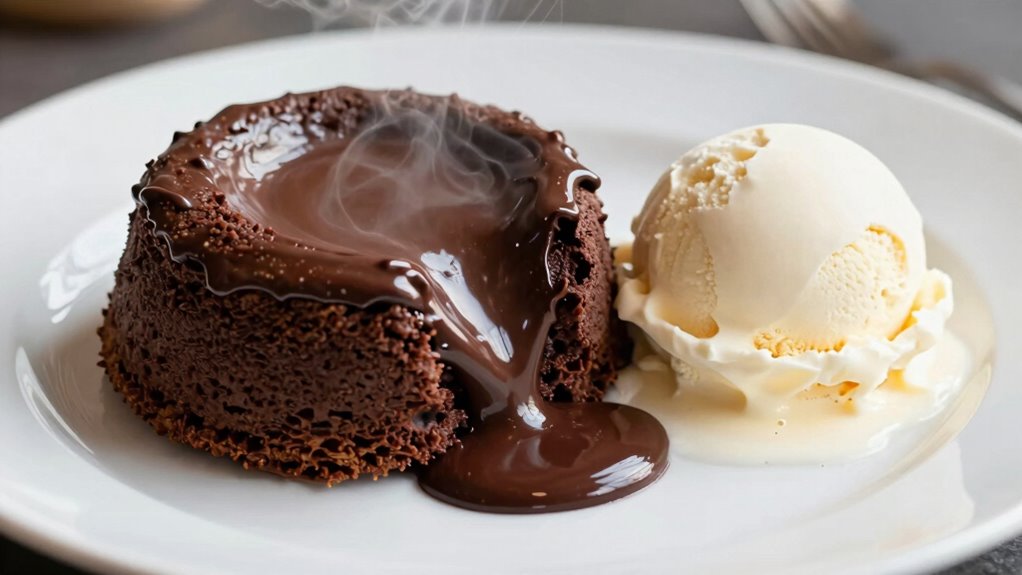
You also need to take into account that certain foods are naturally better enjoyed at specific temperatures. A steak, for instance, is often appreciated when medium-rare, where its juices and flavors are most vibrant, and its texture is perfectly tender. On the other hand, a dessert like ice cream is meant to be served cold to preserve its smoothness and richness. Understanding these nuances means you can control the flavor enhancement and texture perception, ensuring you get the most out of every dish. Serving temperature isn’t just about safety or tradition; it’s a critical element that influences how flavors develop and how textures feel in your mouth.
Ultimately, paying attention to the right serving temperature helps you maximize flavor and texture perception, turning a simple meal into a memorable experience. You can elevate ordinary dishes by serving them at their best temperature, allowing the full spectrum of flavors and textures to shine through. This simple change can transform your eating experience, making each bite more flavorful, more satisfying, and truly enjoyable.
food serving temperature thermometer
As an affiliate, we earn on qualifying purchases.
As an affiliate, we earn on qualifying purchases.
Frequently Asked Questions
How Does Temperature Affect the Aroma of Food?
Temperature directly impacts the aroma of food by influencing aromatics enhancement and temperature-induced aroma. When you serve food hot, volatile compounds release more readily, amplifying the aroma and making flavors more vivid. Conversely, cooler temperatures can suppress these aromatics, dulling the scent. By adjusting serving temperature, you can control how aromatic and enticing your dish smells, ultimately enhancing your overall tasting experience.
Do Different Foods Respond Uniquely to Temperature Changes?
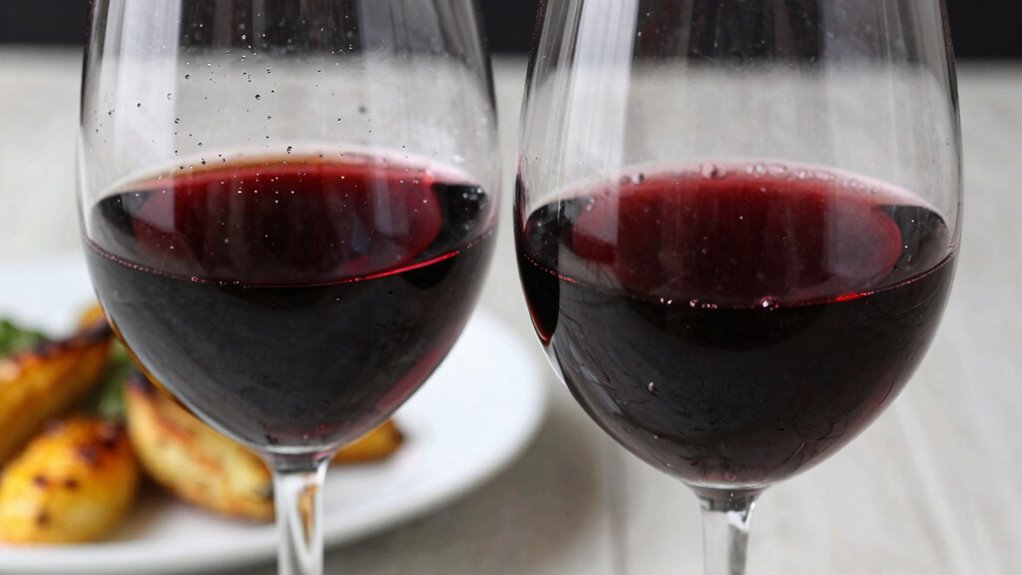
Yes, different foods respond uniquely to temperature changes because of flavor chemistry and temperature equilibrium. When you adjust the serving temperature, some foods release more aromatic compounds, enhancing flavor, while others may lose their freshness. For example, cheese and wine develop richer flavors at specific temperatures, whereas fruits might become dull or overly soft. Understanding these differences helps you optimize taste by managing temperature equilibrium for each food type.
Can Serving Temperature Influence Food’s Texture Perception?
Serving temperature profoundly influences your sensation of food’s texture and mouthfeel perception. When hot, foods often feel softer, creamier, or more fluid, enhancing texture contrast, while cooled dishes can become firmer or crisper. You notice these nuances because temperature alters how your taste buds and mouth perceive the food’s consistency. So, adjusting serving warmth can dramatically change how enjoyable and engaging your eating experience becomes, emphasizing or softening textures as you prefer.
Why Do Some Foods Taste Better When Cold or Hot?
Some foods taste better when cold or hot because temperature affects flavor enhancement and your taste sensitivity. When you serve food at the right temperature, it amplifies certain flavors, making them more appealing. Hot foods often release aromatic compounds, enhancing taste, while cold foods can dull bitterness and highlight sweetness. Your temperature sensitivity influences how you perceive these flavors, so adjusting serving temperatures can markedly improve your eating experience.
How Quickly Does Flavor Change With Temperature Shifts?
Flavor changes quickly with temperature shifts because flavor molecules are highly temperature sensitive. As soon as you alter the temperature, these molecules react, causing taste to evolve in seconds or minutes. Even small changes can intensify or dull flavors, making food taste different almost instantly. You might think it takes longer, but your senses respond rapidly, highlighting how essential temperature control is for the perfect taste experience.
As an affiliate, we earn on qualifying purchases.
Conclusion
Next time you enjoy a meal, remember that serving temperature can truly transform the flavor experience. Studies show that people perceive foods as more flavorful when served at ideal temperatures, with some dishes tasting up to 30% better. So, don’t rush to cool or reheat your food—pay attention to temperature to savor every bite fully. Small changes in how you serve your food can make a big difference in how delicious it tastes!
As an affiliate, we earn on qualifying purchases.
As an affiliate, we earn on qualifying purchases.
NFL season / tailgating Picks
team gear
As an affiliate, we earn on qualifying purchases.