
Residual heat is a versatile cooking tool that boosts efficiency and saves energy. By turning off the stove early or letting dishes sit after boiling, you use heat that would otherwise go to waste. Proper cookware with good heat retention helps keep food warm and cooked evenly, enhancing texture and flavor. Mastering how to leverage residual heat improves your cooking results while reducing energy costs. Keep exploring to discover more tips on making the most of this hidden kitchen resource.

Get kitchen staples and gadgets delivered free with Prime
- Fast, free delivery on millions of items
- Prime Video, Amazon Music and more included
- Member-only deals all year
Key Takeaways
- Residual heat improves cooking efficiency, saving energy, time, and money.
- It allows dishes to finish cooking gently without overcooking.
- Proper cookware with good heat retention enhances control and consistency.
- Using residual heat reduces energy waste and environmental impact.
- It helps achieve better texture, flavor, and overall dish quality.

Have you ever considered how leftover heat can be your secret weapon in the kitchen? It’s a simple yet powerful tool that can markedly improve your cooking efficiency, saving you time, energy, and even money. Residual heat, which is the heat remaining in your cookware or stove after turning off the burner, can be harnessed to finish dishes perfectly without overcooking or wasting energy. When you understand heat retention, you realize that your pots and pans can continue to cook food even after the heat source has been turned off. This means you don’t need to keep the stove on as long, reducing energy consumption and preventing food from overcooking. By mastering the art of residual heat, you gain greater control over your cooking process and achieve better results with less effort.
Harness leftover heat to cook smarter, save energy, and perfect your dishes effortlessly.
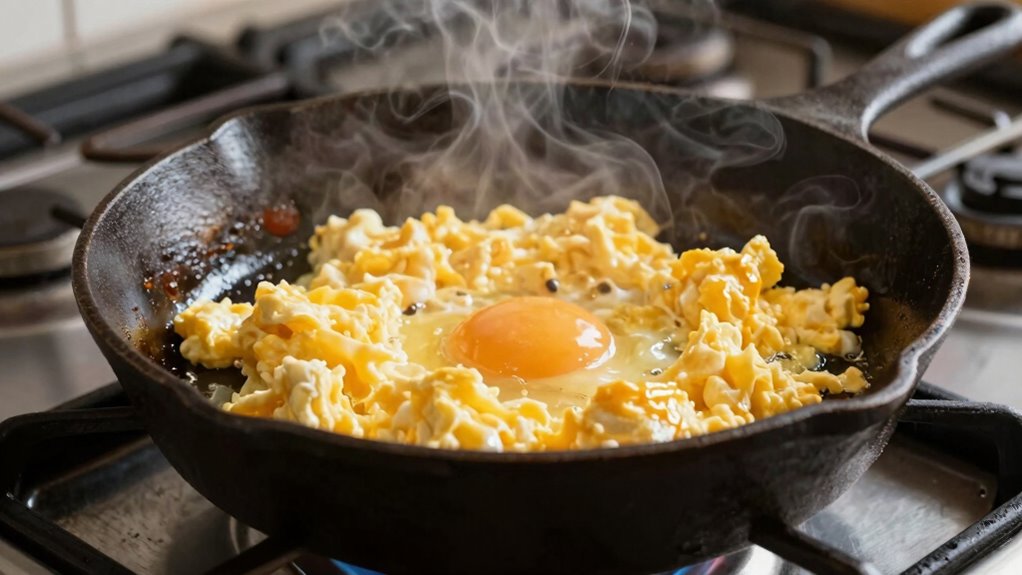
Using residual heat effectively allows you to plan your cooking steps more efficiently. For example, once you bring water to a boil, you can turn down the heat and let the remaining warmth do its job. This not only conserves energy but also helps maintain gentle, even heat that’s ideal for delicate dishes like poached eggs or melting chocolate. Similarly, when you’ve cooked pasta or rice, draining the excess water and letting the residual heat sit can help you finish the cooking process without additional stove time. This technique is especially helpful in busy kitchens, where multitasking is essential. You can prepare side dishes or finish other tasks while the residual heat gently completes your main dish, maximizing your cooking efficiency and minimizing energy waste.
The key to making residual heat work for you lies in understanding heat retention. Good cookware, like cast iron or thick-bottomed pots, retains heat longer, allowing you to take advantage of this natural warming process. Properly covered pots trap heat inside, extending the cooking time without additional heat input. This means you can turn off the stove earlier and still achieve perfectly cooked food. Also, in recipes that require slow, gentle cooking, residual heat provides an even, consistent temperature that’s hard to replicate with continuous stove use. As you become more mindful of heat retention, you’ll notice your dishes improving in texture, flavor, and overall quality, all while using less energy. Recognizing the importance of heat retention can help you choose the right cookware to optimize this process. Additionally, understanding heat transfer in your cookware can further improve your ability to control cooking temperatures effectively. Being aware of heat conduction can help you select cookware that distributes heat more evenly, preventing hot spots and uneven cooking.
Furthermore, paying attention to cookware material can make a significant difference in how efficiently residual heat is utilized during your cooking process. In the end, residual heat isn’t just waste heat; it’s a clever tool that enhances your cooking skills. By recognizing its potential, you can cook smarter, conserve energy, and produce better results with less effort. Once you start paying attention to how your cookware retains heat, you’ll discover a simple yet effective way to elevate your culinary game, all while being kinder to your energy bills and the environment.
cast iron skillet with good heat retention
As an affiliate, we earn on qualifying purchases.
As an affiliate, we earn on qualifying purchases.
Frequently Asked Questions
How Do I Tell When Residual Heat Is Sufficient for Cooking?
You can tell when residual heat is sufficient by observing your cookware and knowing your stove’s heat retention. Feel the pan’s temperature with your hand, or check if ingredients start cooking gently without added heat. Use your experience with different cooking techniques to gauge the right moment. As heat retention keeps cooking going, trust your senses and timing to avoid overcooking or undercooking, making residual heat your secret weapon.
Can Residual Heat Be Used for Precise Temperature Control?
Yes, residual heat can be used for precise temperature control because of thermal retention and heat distribution. You can monitor the dish’s temperature and adjust the heat source accordingly, letting the residual heat finish the cooking process. This method prevents overcooking and saves energy. By understanding how heat lingers and disperses, you gain better control, ensuring your food reaches the perfect temperature without constant attention.
What Safety Precautions Should I Take When Using Residual Heat?
Did you know that burns from kitchen accidents are among the most common injuries? When using residual heat, always practice kitchen safety by avoiding contact with hot surfaces, even after turning off the stove. Proper heat management means letting cookware cool before cleaning or handling. Use oven mitts or tools to move hot dishes, and keep children away from hot appliances. Staying cautious helps prevent accidents and keeps your cooking safe.
How Does Residual Heat Affect Different Types of Cookware?
Residual heat affects different cookware types based on material properties and heat retention. For example, cast iron retains heat longer, making it ideal for slow cooking, while stainless steel heats up quickly and cools faster. You should adjust cooking times accordingly, knowing that materials with high heat retention can keep food warm even after removing from heat. Understanding these differences helps you use residual heat efficiently and avoid overcooking.
Can Residual Heat Be Reused for Multiple Cooking Steps?
Yes, you can reuse residual heat for multiple cooking steps, improving your cooking efficiency. After removing cookware from heat, the retained heat continues to cook your food gently. To maximize heat retention, cover your pots and pans, and use residual warmth for simmering sauces or keeping dishes warm before serving. This technique saves energy, maintains consistent temperatures, and makes your cooking process more effective and efficient.
thick-bottomed pots for slow cooking
As an affiliate, we earn on qualifying purchases.
As an affiliate, we earn on qualifying purchases.
Conclusion
Don’t overlook residual heat—it’s a powerful, energy-efficient tool in your kitchen. Some might worry it’s unreliable, but with a little practice, you’ll learn to harness that lingering warmth for perfectly cooked meals. It saves energy, reduces mess, and can prevent overcooking. So next time you finish a dish, give residual heat a chance. You might find it becomes your secret weapon for effortless, consistent results—no fancy gadgets needed.
lidded cookware for heat retention
As an affiliate, we earn on qualifying purchases.
As an affiliate, we earn on qualifying purchases.
induction-compatible cookware for energy efficiency
As an affiliate, we earn on qualifying purchases.
As an affiliate, we earn on qualifying purchases.
Fall Picks
fall essentials
As an affiliate, we earn on qualifying purchases.