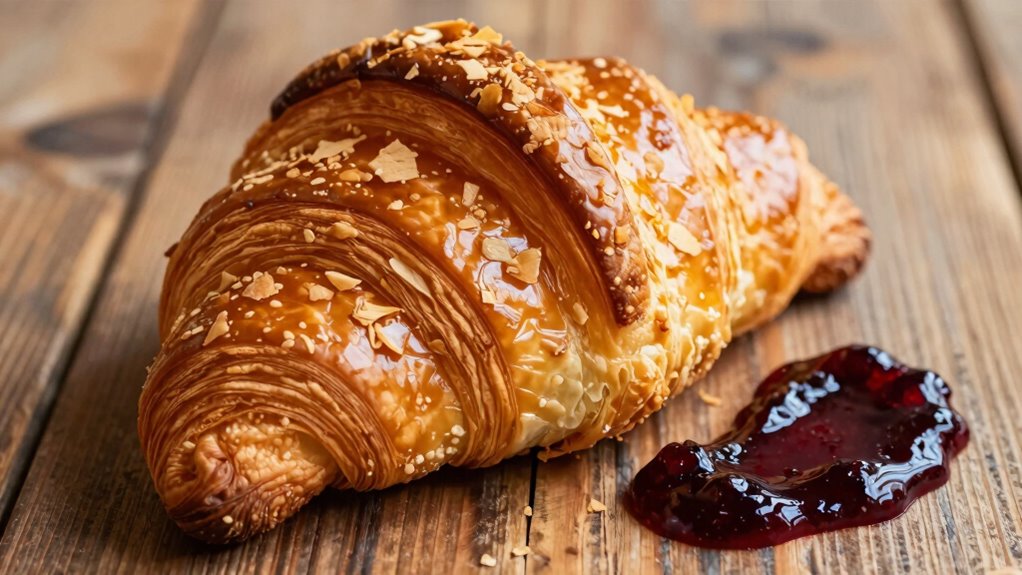

Texture contrast makes your food experience more exciting because it engages your senses and adds depth to each bite. When you enjoy a crispy exterior with tender inside or a crunchy topping with soft core, it creates a satisfying and memorable mouthfeel. These contrasts prevent monotony and surprise your palate, making ordinary dishes extraordinary. By understanding how textures work together, you can elevate your culinary creations—if you keep exploring, you’ll discover even more ways to delight your senses.

Get kitchen staples and gadgets delivered free — and shop member deals
- Fast, free delivery on millions of items
- Access to Prime Big Deal Days deals on October 6–7
- Prime Video, Amazon Music and more included
Key Takeaways
- Texture contrast creates sensory variety, making dishes more engaging and preventing monotony.
- Combining different textures enhances mouthfeel, adding depth and excitement to the eating experience.
- Contrasting textures surprise the senses, increasing anticipation and enjoyment of the food.
- Texture variation helps highlight flavors and ingredients, making dishes more memorable.
- Balanced textures contribute to culinary harmony, elevating overall satisfaction and visual appeal.
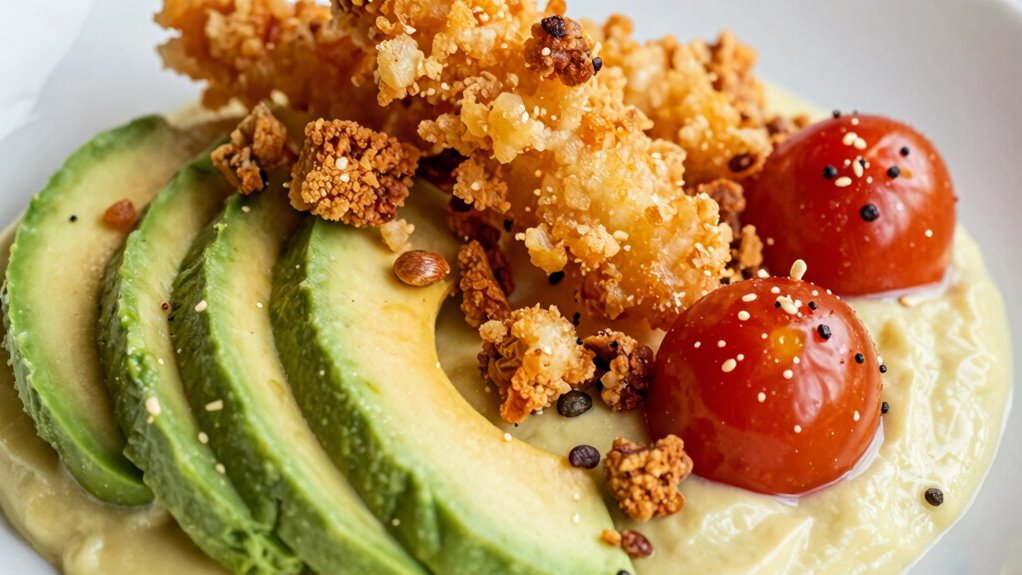
Have you ever noticed how a dish’s appeal often depends on more than just its flavor? It’s the texture that truly elevates the eating experience, making each bite feel exciting and satisfying. When you pay attention to texture contrast, you realize how crucial it is to balancing the overall dish. Think about a crispy fried chicken skin paired with juicy, tender meat—it’s a perfect example of how contrasting textures can make food more engaging. The crunchiness draws you in first, offering a satisfying snap, while the tender interior provides a soft, comforting contrast. This interplay keeps your palate interested, preventing the meal from feeling monotonous.
Texture variety also enhances mouthfeel, which is essential for making dishes memorable. For instance, when you bite into a fresh salad, the crispness of raw vegetables contrasts beautifully with creamy dressings or soft cheese. This crunch versus smooth dynamic adds layers of interest. Similarly, in baked goods, a crusty exterior combined with a soft, chewy interior—like in a baguette—creates a delightful tactile experience. The chewy versus tender contrast in bread makes each bite more pleasurable, as your senses can appreciate both the firmness and the softness simultaneously. It’s these contrasts that make simple foods feel extraordinary.
You’ll find that combining textures isn’t just about making food more appealing visually; it’s about engaging your senses more deeply. Imagine a bowl of creamy ice cream with crunchy chocolate bits sprinkled on top. The smooth, cold ice cream offers a rich, velvety feel, while the crunchy bits add a surprising burst of texture, creating a multi-sensory delight. This contrast heightens the overall experience, making each spoonful more interesting. When you pay attention to these details, you start to see how texture contrast can turn an ordinary dish into something memorable and exciting. Additionally, incorporating diverse textures also enhances sensory engagement, making the dining experience more immersive. Recognizing the importance of culinary harmony can help chefs and home cooks craft dishes that balance these elements beautifully. Understanding how different textures interact is key to creating a harmonious and satisfying culinary experience.
As an affiliate, we earn on qualifying purchases.
Frequently Asked Questions
How Does Texture Contrast Influence Taste Perception?
Texture contrast influences taste perception by engaging your sense of mouthfeel enhancement and creating sensory differentiation. When you experience different textures in a dish, it heightens your awareness of flavors, making each bite more exciting. The variety in mouthfeel keeps your palate interested, allowing you to perceive subtle taste nuances more vividly. This interplay between textures and flavors amplifies overall enjoyment and adds complexity to your dining experience.
Can Texture Contrast Be Used to Improve Food Presentation Visually?
Yes, you can use texture contrast to enhance visual food presentation. By carefully arranging your plate and combining different textures, you create an engaging look. Incorporate color coordination with varied textures—smooth, crunchy, creamy—to make the dish visually appealing. Use contrasting elements strategically, like a crispy topping on a soft base, and arrange items thoughtfully to guide the eye across the plate, making your dish irresistibly inviting.
What Are Common Ingredients That Provide Natural Texture Contrast?
Think of your plate as a symphony, where natural ingredients create harmony through texture. Common ingredients like crunchy nuts, crisp vegetables, creamy cheeses, and tender meats offer delightful contrasts. Combining these with flavorful pairings, such as fresh herbs or tangy citrus, amplifies sensory interest. These natural texture contrasts keep bites exciting, inviting your palate to explore each element’s unique character, making every dish more engaging and memorable.
How Does Age Affect Preferences for Texture Contrast in Food?
As you age, your preferences for texture contrast in food tend to change due to age-related texture sensitivity. You might find softer, smoother foods more appealing, or develop a dislike for overly crunchy or chewy textures. These shifts happen because your taste buds and oral sensitivity evolve over time. Embracing a variety of textures can help keep your meals interesting, catering to your current preferences and ensuring enjoyable eating experiences.
Are There Cultural Differences in the Use of Texture Contrast?
Cultural preferences heavily influence how you experience texture contrast in food, reflecting deep-rooted culinary traditions. For example, in Japan, the harmony of soft rice paired with crunchy tempura creates a balanced texture contrast appreciated worldwide. Conversely, in Italy, dishes often emphasize creamy and tender textures. These cultural differences shape your taste expectations, making texture contrast an integral part of culinary identity across diverse cuisines.
As an affiliate, we earn on qualifying purchases.
Conclusion
By embracing texture contrast, you add a spark to every bite, turning a simple meal into a symphony of sensations. Think of it as a dance where each step surprises and delights, making your taste buds crave more. When you play with textures—crisp, creamy, chewy—you create an exciting culinary adventure that keeps your senses engaged. So, don’t settle for monotony; let your food be a vibrant tapestry that awakens your palate with every mouthful.
As an affiliate, we earn on qualifying purchases.
salad with crunchy and soft toppings
As an affiliate, we earn on qualifying purchases.
As an affiliate, we earn on qualifying purchases.
Fall Picks
fall essentials
As an affiliate, we earn on qualifying purchases.