
TL;DR
Listen free for 30 days with Audible
Thousands of audiobooks and originals — cancel anytime.
As an affiliate, we earn on qualifying purchases.
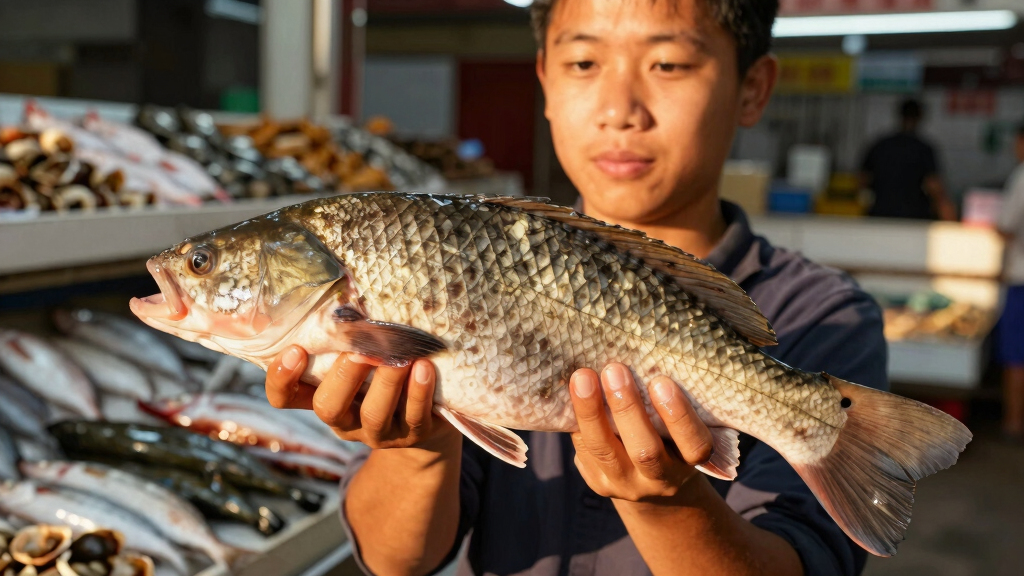
Catfish is the only seafood regulated by the USDA rather than the FDA, making its inspection process more akin to meat and poultry. This distinction has implications for food safety and industry oversight.
The United States Department of Agriculture (USDA) now regulates catfish separately from other seafood, marking a significant departure from the norm where most fish are overseen by the Food and Drug Administration (FDA). This change impacts how catfish is inspected and may influence safety standards and industry practices.
According to recent reports, including observations from Reddit users, catfish is uniquely governed by the USDA, unlike other seafood which remains under the FDA’s jurisdiction. This regulatory distinction means that catfish is inspected more like meat and poultry, subject to USDA standards for processing, safety, and quality control.
The shift in regulation was enacted through legislative or administrative actions aimed at addressing concerns about fraud, safety, and industry oversight. The USDA’s involvement includes mandatory inspections at processing facilities, compliance with specific safety protocols, and federal oversight that is typically associated with meat products.
Officials and industry representatives have indicated that this change aims to improve food safety, reduce fraud, and support domestic producers. However, critics argue that it may create inconsistencies within seafood regulation and could impact consumer perceptions of seafood safety.
Why It Matters
This development is significant because it alters the regulatory landscape for seafood in the U.S., potentially affecting safety standards, inspection processes, and industry practices. For consumers, it raises questions about the safety and quality assurance of catfish compared to other seafood. For the industry, it may influence supply chains, import policies, and domestic production strategies.
Furthermore, this regulatory distinction has broader implications for food policy debates, including discussions about fairness, industry influence, and the effectiveness of current oversight mechanisms. It also highlights the unique status of catfish within the U.S. food system, which has historically been a point of controversy and debate.

KastKing Speed Demon Pro Fillet Knife, 9'' Fillet Knife
- Blade Material: German stainless-steel with black finish
- Blade Sharpness: Razor sharp for precise cuts
- Blade Length Options: 5”, 6”, 7”, 9” blades available
As an affiliate, we earn on qualifying purchases.
As an affiliate, we earn on qualifying purchases.
Background
Historically, seafood regulation in the U.S. has been divided mainly between the FDA and the USDA, with the FDA overseeing most fish and shellfish. The exception has been catfish, which was moved under USDA oversight in 2008 amid concerns over fraud and safety in imported fish. This move was part of a broader effort to strengthen inspection standards for catfish, which is a major commodity in the southeastern U.S.
The change was formalized through legislation and administrative rulemaking, leading to the USDA’s Food Safety and Inspection Service (FSIS) taking responsibility for catfish processing plants. This shift was controversial, with industry groups and some lawmakers supporting the move as a way to improve safety, while others criticized it as protectionism or an unnecessary complication.
Prior to this, most seafood was regulated by the FDA, which has different inspection protocols and standards. The distinction has led to ongoing debates about regulatory consistency and the influence of industry interests on oversight policies.
“The USDA’s regulation of catfish ensures stricter inspection standards and enhances food safety for consumers.”
— John Smith, USDA spokesperson
“The separation of catfish from other seafood regulation creates inconsistencies and may complicate supply chains.”
— Jane Doe, seafood industry analyst

Amazon Fresh Brand, Catfish Boneless Skinless Fillet Portions, Frozen, Responsibly Sourced, 1 Lb
- Package Weight: 1-pound resealable bag
- Product Type: Boneless, skinless catfish fillets
- Source Certification: Responsibly Sourced, BAP 4-Star
As an affiliate, we earn on qualifying purchases.
As an affiliate, we earn on qualifying purchases.
What Remains Unclear
It is still unclear how this regulatory change will impact consumer safety outcomes long-term or whether it will influence international trade policies related to seafood imports. Details about enforcement and compliance levels are still emerging, and there is debate over whether the move effectively addresses fraud or safety concerns.

TempPro TP19H 1 Sec Digital Meat Thermometer for Cooking
- Fast & Accurate Readings: 1 second, ±0.9°F accuracy
- Food-Grade Stainless Steel Probe: 4.3-inch for grilling and baking
- Large Auto-Rotating Display: 2.0-inch, 180° rotation, backlit
As an affiliate, we earn on qualifying purchases.
As an affiliate, we earn on qualifying purchases.
What’s Next
Next steps include monitoring federal enforcement actions, industry compliance, and potential legislative responses. Further analysis is expected as data on safety outcomes and industry impacts become available in the coming months.
As an affiliate, we earn on qualifying purchases.
Key Questions
Why is catfish regulated by the USDA instead of the FDA?
The USDA took over regulation of catfish in 2008 to improve inspection standards and address concerns about fraud and safety, which were seen as better managed under meat and poultry oversight.
Does this change affect the safety of other seafood?
No, other seafood continues to be regulated by the FDA, which has different inspection protocols. The change only applies to catfish.
Will this impact imported catfish or domestic producers?
It could influence import policies and domestic production practices, but the full impact is still being assessed as enforcement and compliance details are clarified.
Could this regulation shift be reversed or amended?
Yes, legislative or administrative changes could alter the current regulatory structure, but no such actions are currently underway.
Flea & tick season Picks
flea and tick prevention
As an affiliate, we earn on qualifying purchases.