Simmering and boiling are different because they involve different temperatures and heat intensities. When you simmer, you’re cooking just below boiling point, around 185-205°F, with gentle, steady heat that helps flavors develop slowly and ingredients stay intact. Boiling, at 212°F, uses vigorous, rapid bubbles that can break down ingredients and cause flavor loss. Understanding these differences helps you control texture and flavor better—if you want to learn more, keep exploring the details.
Key Takeaways
- Simmering occurs at a lower temperature (185-205°F) with gentle heat, while boiling reaches 212°F with vigorous bubbling.
- Simmering allows gradual flavor development and tenderizes ingredients, unlike boiling, which can cause rapid flavor loss.
- The steady, controlled heat of simmering prevents ingredients from breaking apart, unlike boiling’s vigorous agitation.
- Simmering is ideal for slow-cooked dishes like stews, whereas boiling is used for quick cooking when texture is less critical.
- Proper temperature control distinguishes simmering’s gentle process from boiling’s rapid, high-energy cooking method.
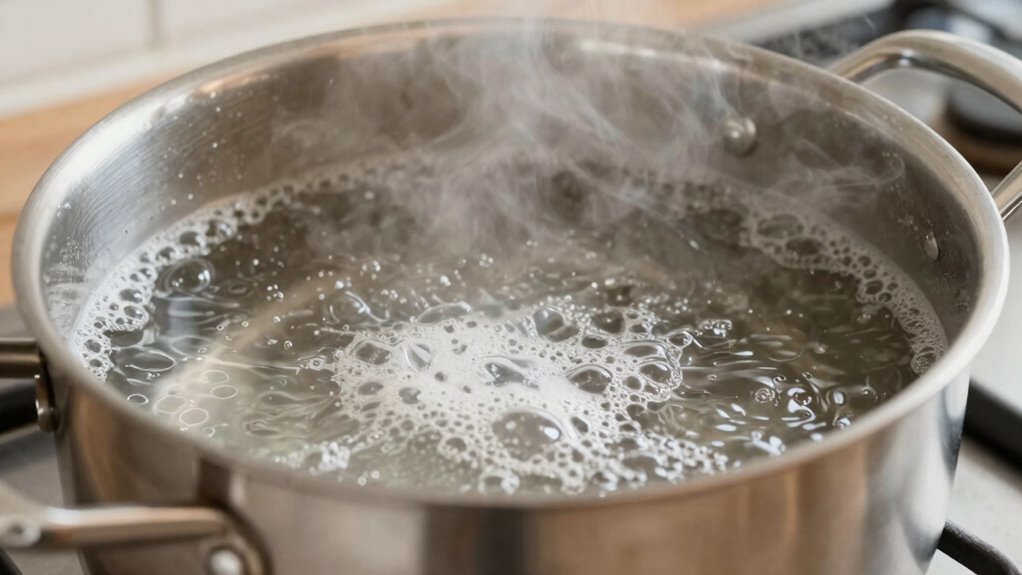
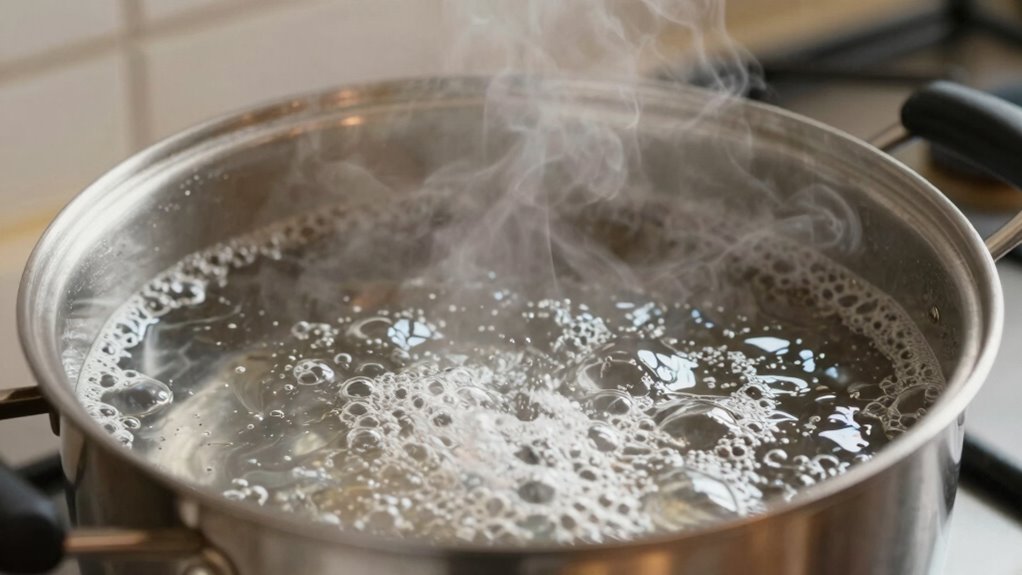
Ever wondered what sets simmering apart from boiling? It all comes down to cooking temperature and how heat interacts with your ingredients. When you simmer, you keep the liquid just below its boiling point—around 185 to 205°F (85 to 96°C). This gentle heat allows flavors to develop slowly and steadily, giving your dishes a richer, more complex taste. Boiling, on the other hand, occurs at 212°F (100°C) at sea level, producing vigorous bubbles that rapidly churn through your ingredients. While boiling can cook food quickly, it often doesn’t allow for the same depth of flavor development that simmering offers.
Simmering gently develops flavors and tenderizes, unlike boiling’s rapid, vigorous cooking that can break down ingredients.
You might think that both methods involve hot liquids, but the key difference lies in how the heat is applied. When you’re simmering, the temperature remains steady and controlled, resulting in a gentle, consistent heat. This is especially important for dishes like soups, stews, and braises, where slow, even cooking helps break down tough cuts of meat and meld flavors beautifully. The slower process also prevents over-extraction of bitter or undesirable flavors that can occur with rapid boiling. With boiling, the vigorous bubbles can cause ingredients to break apart or become mushy too quickly, which might compromise the texture and overall quality of your dish.
Flavor development is markedly impacted by the cooking temperature. Simmering allows aromas and flavors to unfold gradually, giving your dish more depth and nuance. For example, when cooking a broth or stock at a simmer, the prolonged exposure to gentle heat extracts more flavors from bones and herbs, resulting in a richer, more satisfying taste. Boiling, however, can sometimes lead to a loss of delicate flavors, as the rapid movement and high heat can cause volatile compounds to evaporate or break down before they fully infuse your dish. Additionally, understanding cooking temperature control is essential for achieving the desired results in various recipes.
Another benefit of simmering over boiling is its ability to tenderize ingredients without disintegrating them. When you simmer, you give tougher cuts of meat or fibrous vegetables the time they need to become tender and flavorful, without turning to mush. Boiling’s high heat and agitation can cause ingredients to fall apart, ruining the desired texture.
In essence, understanding the difference between simmering and boiling helps you control the cooking process better. If you want tender, flavor-rich results, simmering is your go-to. But if speed is more important and delicate textures aren’t as critical, boiling can get the job done. Master both, and you’ll elevate your cooking from good to great.

Daniks Modern 2 Quart Stainless Steel Stock Pot with Glass Lid, Tri-Ply Bottom for Even Heating, Induction Compatible, Dishwasher Safe, Heatproof Handles
🍔 【VERSATILE USE】The 2-quart pot is sufficient for 2-3 persons. Versatile for use as a soup pot, noodle…
As an affiliate, we earn on qualifying purchases.
As an affiliate, we earn on qualifying purchases.
Frequently Asked Questions
Can You Simmer and Boil at the Same Time?
You can’t simmer and boil at the same time because they are distinct cooking techniques involving different temperature controls. Boiling occurs at 212°F, with vigorous bubbles, while simmering stays just below that, around 185-205°F, with gentle bubbles. In cooking, you select one technique based on your recipe, adjusting the heat accordingly. Maintaining proper temperature control ensures your dish cooks evenly without overcooking or undercooking.
What Equipment Is Best for Simmering Versus Boiling?
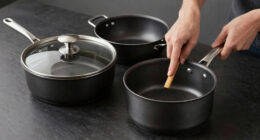
For simmering, use a heavy-bottomed pot with a tight-fitting lid to maintain gentle, consistent heat, which promotes flavor development without overcooking. For boiling, a large, wide pot with plenty of surface area helps distribute intense heat evenly, perfect for rapid cooking. Both techniques benefit from sturdy equipment, but choosing the right one depends on whether you prioritize slow flavor development or quick, vigorous boiling.
How Does Altitude Affect Simmering and Boiling Points?
At higher altitudes, you’ll notice that boiling elevation drops, meaning water boils at lower temperatures. You need to do an altitude adjustment, since simmering and boiling points change with elevation. When you cook, it’s important to account for this shift because your recipes may need longer cooking times or adjusted temperatures. As you ascend, both simmering and boiling become less efficient, so understanding these changes helps you cook more effectively.
Can Simmering Be Used for Making Stock?
Yes, you can definitely use simmering for making stock. Simmering is ideal because it allows for gentle flavor infusion, letting the ingredients release their flavors gradually. It also helps with nutrient retention, ensuring you get the most out of your ingredients without breaking them down too quickly. Plus, simmering prevents the stock from becoming cloudy, resulting in a clearer, richer broth perfect for soups and sauces.
Is It Safe to Leave Simmering Food Unattended?
It’s not safe to leave simmering food unattended because it can overcook, boil over, or even cause a fire, compromising food safety. You should always stay nearby and monitor your cooking, especially with gentle techniques like simmering. Proper attention guarantees your food stays safe to eat and prevents accidents. Using your senses and setting timers helps you maintain control and follow safe cooking practices effectively.

AWLKIM Digital Kitchen Thermometer for Cooking, 0.5-Second Instant Read Meat Thermometer, 3.8" Touchscreen, IP67 Waterproof Food Probe for BBQ, Grill, Candy, Oil, Baking | ±0.5°F, USB-C Rechargeable
THE KITCHEN THERMOMETER FOR EVERYTHING YOU COOK: Whether you are searing a steak, monitoring a Sunday roast, or…
As an affiliate, we earn on qualifying purchases.
As an affiliate, we earn on qualifying purchases.
Conclusion
So, next time you’re cooking, remember that simmering and boiling aren’t the same. While boiling may seem faster, simmering offers more control, preventing overcooking and preserving flavors. Some might think boiling is always better for quick results, but simmering actually deepens taste and tenderizes ingredients beautifully. Don’t overlook this simple trick—mastering the difference can elevate your dishes and make your cooking more delicious and consistent every time.

8 Quart Nonstick Stock Pot with Lid – BEZIA Ceramic Large Soup Pot for Family Cooking, Induction Ready, Stay-Cool Silicone Handles, Easy Cleanup, Perfect for Stews, Pasta & Batch Cooking
𝐅𝐫𝐨𝐦 𝐒𝐮𝐧𝐝𝐚𝐲 𝐒𝐭𝐞𝐰𝐬 𝐭𝐨 𝐖𝐞𝐞𝐤𝐧𝐢𝐠𝐡𝐭 𝐏𝐚𝐬𝐭𝐚: 𝐎𝐧𝐞 𝐏𝐨𝐭 𝐇𝐚𝐧𝐝𝐥𝐞𝐬 𝐈𝐭 𝐀𝐥𝐥. A stock pot that keeps up with…
As an affiliate, we earn on qualifying purchases.
As an affiliate, we earn on qualifying purchases.

Elite Gourmet MST-250XW Electric Slow Cooker Ceramic Pot Adjustable Temp, Entrees, Sauces, Stews & Dips, Dishwasher Safe Glass Lid & Crock
PERSONAL 1.5 QUART slow cooker makes cooking fork-tender roasts and poultry a breeze. Cool-touch handles and knob protect…
As an affiliate, we earn on qualifying purchases.
As an affiliate, we earn on qualifying purchases.