To love your leftovers, store them in airtight, clear containers and label with dates for easy access. Cool hot dishes quickly and refrigerate within two hours to keep them safe, then portion into single servings for convenience. Reheat leftovers thoroughly, even from frozen, and organize your fridge so meals are simple to find. With proper storage and reheating techniques, you’ll enjoy fresh, tasty lunches every time—plus, you’ll discover more tips to maximize your leftovers.
Key Takeaways
- Store leftovers in airtight, labeled containers for easy identification and freshness.
- Cool hot dishes promptly within two hours before refrigerating to ensure safety.
- Divide leftovers into smaller portions for quick reheating and meal assembly.
- Reheat leftovers directly from frozen or after proper thawing for convenience and safety.
- Incorporate leftovers into meal prep to save time, reduce waste, and enjoy quick, homemade lunches.
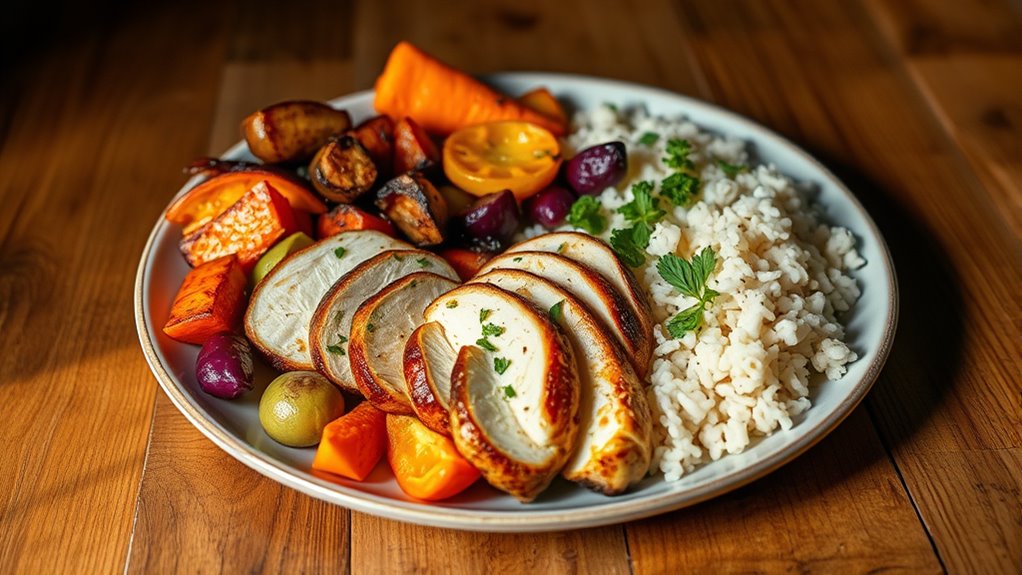
Have you ever wondered how to make the most of your leftover meals? If you’re like most people, you probably toss leftovers into the fridge and forget about them, only to find them days later. But with a little planning and some smart food storage techniques, you can turn last night’s dinner into an easy, delicious lunch today. This approach not only saves you time and money but also reduces food waste. The key is integrating meal prep into your routine—preparing and storing leftovers in a way that keeps them fresh and ready to enjoy when hunger strikes.
Start by investing in good-quality food storage containers. Opt for airtight options that seal tightly to prevent spills and keep out moisture. Clear containers are especially helpful because they let you see what’s inside at a glance. When you finish your dinner, divide leftovers into smaller portions that suit your upcoming meals. This makes it easier to grab what you need without having to reheat or cook from scratch each day. Labeling your containers with the date ensures you’re consuming leftovers while they’re still fresh, helping avoid wasted food. Keeping a designated section in your fridge for leftovers streamlines your meal prep process, making it quick and straightforward to assemble your lunch.
Invest in airtight, clear containers, divide leftovers into smaller portions, and label with dates for fresh, easy-to-grab meals.
Another tip for effective food storage is to cool leftovers promptly before placing them in the fridge. Hot food can raise the temperature inside and promote bacteria growth, so let your dinner cool slightly—no more than two hours—before sealing and storing it. If you plan to keep leftovers for more than a couple of days, consider freezing portions. Freezing preserves the quality and extends the shelf life, giving you a stash of ready-to-go meals for busy days. Proper temperature control is essential for maintaining food safety and ensuring leftovers stay fresh longer. Understanding food safety practices can help you avoid health risks and ensure your leftovers remain safe to eat. Incorporating storage techniques similar to those used in deep‑sky imaging—such as maintaining optimal conditions—can help you keep leftovers in perfect condition. When it’s time to eat, just thaw in the fridge overnight or reheat directly from frozen, saving you even more time.
Meal prep isn’t just about cooking in bulk; it’s about creating a system that makes your life easier. Incorporating smart food storage techniques into your routine can help you plan meals more efficiently and keep leftovers at their best. Proper food storage guarantees each meal stays fresh and safe to eat. Over time, this habit becomes second nature—saving you money, reducing waste, and allowing you to enjoy homemade meals even on your busiest days. With a little effort upfront, you’ll love how leftovers can transform into quick, tasty lunches that keep you energized and satisfied.

Airtight Food Storage Containers with Lids, Vtopmart 24 pcs Plastic Kitchen and Pantry Organization Canisters for Cereal, Dry Food, Flour and Sugar, BPA Free, Includes 24 Labels,Black
Help Organize Your Kitchen and Pantry— Imagine every time walking to your kitchen or pantry, found everything is…
As an affiliate, we earn on qualifying purchases.
As an affiliate, we earn on qualifying purchases.
Frequently Asked Questions
How Long Can Leftovers Be Safely Stored in the Fridge?
Leftovers can be safely stored in your fridge for 3 to 4 days, ensuring food safety. To maximize freshness, follow storage tips like using airtight containers and labeling leftovers with dates. Always check for signs of spoilage before eating, and reheat leftovers thoroughly. By practicing proper storage tips, you help prevent foodborne illnesses and enjoy your leftovers safely for several days after your meal.
What’s the Best Way to Reheat Different Types of Leftovers?
Like a skilled chef, you can reheat leftovers to perfection. For quick warmth, use the microwave, stirring occasionally to avoid hot spots. For larger or more delicate dishes, oven reheating is ideal—cover with foil and heat gradually to preserve moisture. Fruits and vegetables reheat well in the microwave, while casseroles and meats benefit from oven reheating to restore texture and flavor. Your leftovers will taste just as fresh.
Can Leftovers Be Frozen for Later Use Without Losing Quality?
Yes, you can freeze leftovers to preserve quality for later. Make sure to store them in airtight containers or freezer bags to prevent freezer burn. Label each container with the date to keep track of freshness. Freezing leftovers is a great way to extend their shelf life without sacrificing taste or texture. Just remember, some dishes freeze better than others, so consider the ingredients for the best results.
How Do I Reduce Food Waste When Repurposing Leftovers?
You can reduce food waste when repurposing leftovers by practicing portion control, so you only take what you’ll enjoy. Get creative with recipes to stretch ingredients further, and consider composting food scraps to minimize landfill waste. Store leftovers properly to maintain freshness, and plan meals around what you already have. These simple steps help you enjoy your food more while being eco-friendly and reducing unnecessary waste.
Are There Any Leftovers That Shouldn’t Be Reheated or Eaten?
You should avoid reheating leftovers like cooked rice, seafood, and poultry if they’ve been left out for more than two hours, as they pose spoilage risks and increase food poisoning chances. Be cautious with creamy salads or dishes with mayonnaise, which spoil quickly. Always check for foul odors, slimy textures, or discoloration before eating leftovers, and when in doubt, discard to prevent any health issues.

Sawysine 100 Pcs Plastic Meal Prep Containers Food Storage Containers Reusable Lunch Bowls with Lid Stackable Disposable Lunch Boxes 1 Compartment Bento Box(Clear,22 oz)
Large Quantity: you will receive 100 pieces of food storage containers with lids, the capacity is approx. 22…
As an affiliate, we earn on qualifying purchases.
As an affiliate, we earn on qualifying purchases.
Conclusion
Next time you’re tempted to toss those leftovers, think about Sarah. After her family’s big dinner, she turned the extra roast into a quick sandwich for lunch, saving time and money. Not only did she enjoy a delicious meal, but she also felt proud of reducing waste. You can do the same—transform yesterday’s feast into today’s delight. Love your leftovers and make every bite count!
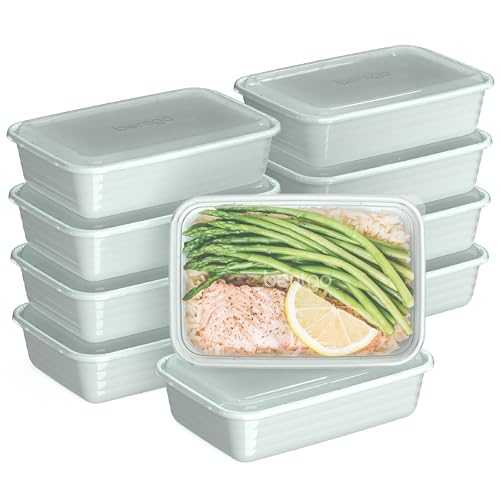
Bentgo Prep – 20-Piece 1-Compartment Reusable Meal Prep Containers with Lids, PFAS & BPA Free Materials, Durable, Microwave, Freezer, & Dishwasher Safe To Go Food Storage (Mint)
#1 Brand Pick for Meal Prep Containers: Bentgo is the top pick for meal prep containers!* This lightweight,…
As an affiliate, we earn on qualifying purchases.
As an affiliate, we earn on qualifying purchases.

Cadie Permanent Freezer Marker Set of 2 – Waterproof Fast-Drying Black Fine Bullet Tip Ink Pens for Food Labeling, Fridge & Freezer Storage, Lab & Kitchen Use, & General Organization
PERMANENT FREEZER MARKER – BUILT FOR COLD STORAGE Designed with premium, low-odor permanent ink that resists smearing, fading,…
As an affiliate, we earn on qualifying purchases.
As an affiliate, we earn on qualifying purchases.