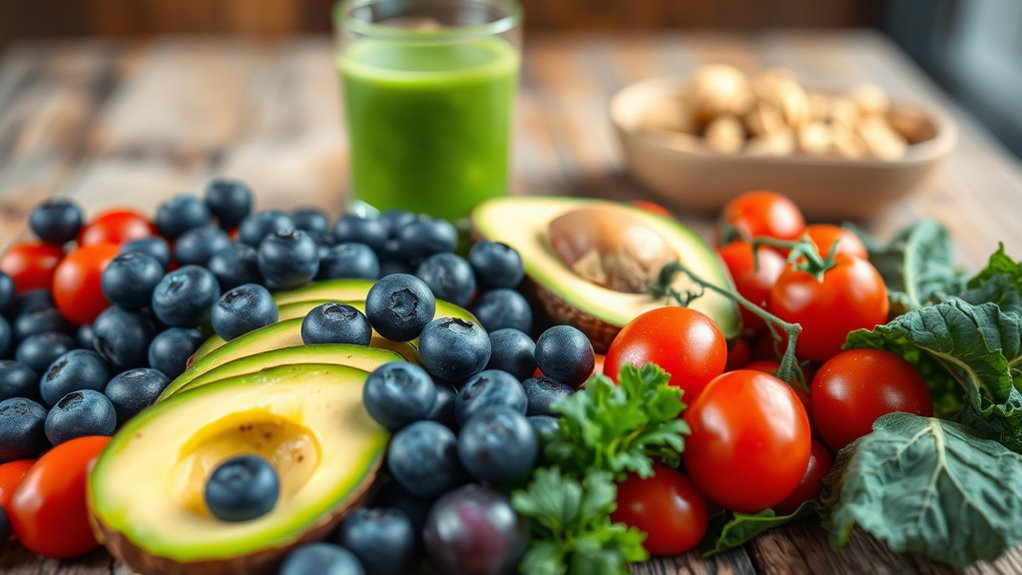

Your diet plays a key role in shaping your mood and mental health. Eating nutrient-rich foods like omega-3s, whole grains, and vegetables can help stabilize your emotions and reduce inflammation in the brain. Conversely, consuming processed foods and sugar may cause energy crashes and mood swings. Staying hydrated and managing emotional eating are also important. If you want to understand how specific foods support your emotional well-being, there’s more to explore about the mind-body connection.
Key Takeaways
- Nutrient-dense foods like omega-3s, whole grains, and vegetables support mood stability by reducing inflammation and balancing neurotransmitters.
- Poor diets high in processed foods and sugars can cause inflammation, leading to mood swings and emotional instability.
- Proper hydration enhances cognitive function and emotional resilience, impacting overall mental health.
- Recognizing emotional eating triggers allows for healthier coping strategies that improve mood and break negative eating cycles.
- Mindful eating and lifestyle habits such as physical activity and social support can positively influence mental well-being.

Have you ever noticed how your mood shifts after a certain meal or snack? Sometimes, you might feel suddenly energized and upbeat, while other times, a sugar crash leaves you feeling irritable or sluggish. This isn’t just coincidence; it’s closely linked to what you eat and how it affects your brain. In recent years, nutritional psychiatry has gained recognition for exploring how specific nutrients influence mental health, emphasizing that what you put into your body can markedly impact your mood and emotional well-being. Understanding this connection can help you make smarter food choices, especially if emotional eating is part of your routine. Emotional eating—turning to food for comfort or to cope with stress—can create a cycle where your mood worsens afterward, leaving you feeling guilty or even more anxious. Recognizing the role of nutrition in mental health empowers you to break free from that cycle and develop healthier habits.
Your brain relies on a steady supply of nutrients to function properly. When your diet is rich in processed foods, sugar, and unhealthy fats, it can promote inflammation and disrupt neurotransmitter balance, leading to feelings of depression or anxiety. Conversely, consuming foods abundant in omega-3 fatty acids, complex carbohydrates, vitamins, and minerals supports brain health. For example, omega-3s found in fatty fish help regulate mood by reducing inflammation and supporting cell communication in the brain. Whole grains and vegetables provide steady energy and promote stable blood sugar levels, preventing mood swings often triggered by sugar crashes. Incorporating these nutrient-dense foods into your meals can create a more balanced emotional state and reduce the urge to seek comfort in sugary snacks. Additionally, staying properly hydrated is essential, as dehydration can negatively affect mood and cognitive function, making it even more important to drink enough water throughout the day.
Understanding nutritional psychiatry also means acknowledging that emotional eating isn’t just about willpower; it’s often a response to emotional needs or stress. When you’re overwhelmed, craving comfort foods might seem like the easiest way to find relief. However, this temporary fix can backfire, intensifying feelings of guilt and perpetuating a cycle of poor eating habits. Developing awareness around emotional triggers and choosing healthier coping strategies—like physical activity, mindfulness, or talking to someone—can help you manage emotional eating more effectively. Over time, replacing emotional eating with nourishing foods and mindful habits can improve your overall mood and resilience. Remember, your mental health isn’t separate from your diet; it’s interconnected, and small changes in what you eat can lead to profound improvements in how you feel each day.

Nature's Bounty Fish Oil Omega 3 Supplements – Supports Heart Health, 1200 Mg Fish Oil, Omega-3, 200 Softgels (Pack of 1)
SUPPORTS HEART HEALTH (1): With 1200 mg fish oil supplements and 360 mg omega-3 fatty acids per serving,…
As an affiliate, we earn on qualifying purchases.
As an affiliate, we earn on qualifying purchases.
Frequently Asked Questions
Can Specific Foods Cure Mental Health Conditions?
Specific foods alone can’t cure mental health conditions, but they can support your overall well-being through nutritional therapy and dietary interventions. By choosing nutrient-rich options, you help regulate your mood and reduce symptoms. Incorporating foods high in omega-3s, vitamins, and minerals can improve brain function. Remember, though, managing mental health requires an all-encompassing approach, including professional treatment, alongside a balanced diet to maximize your mental wellness.
How Quickly Can Diet Changes Impact Mood?
You can notice mood stabilization within days of changing your diet, especially if you identify and avoid food triggers that worsen your mood. Eating balanced meals rich in omega-3s, vitamins, and whole foods supports mental health, leading to quicker improvements. Consistent healthy eating helps regulate blood sugar and neurotransmitter production, so you may feel a positive shift in mood surprisingly fast—sometimes in as little as a few days.
Are Supplements Necessary for Mental Health?
Do you really need supplements for mental health? Not always. If you maintain a nutritional balance through a healthy diet, supplements may not be necessary, as their efficacy varies. Focus on whole foods rich in vitamins and minerals to support your mood naturally. Supplements can help if you’re deficient, but they shouldn’t replace a balanced diet. Ultimately, consulting a healthcare professional guarantees you’re making the right choice for your mental well-being.
Do Food Allergies Influence Mood Disorders?
Food allergies and intolerances can profoundly influence your mood disorders. When you have a food intolerance, your immune response may trigger inflammation and discomfort, which can contribute to feelings of anxiety or depression. These immune responses disrupt your body’s balance, affecting mental health. Recognizing and managing food allergies or intolerances through proper diagnosis can help improve your mood and overall well-being.
Can Emotional Eating Harm Mental Health Long-Term?
Yes, emotional eating can harm your mental health long-term. It often bypasses emotional regulation, leading to reliance on food for comfort rather than addressing underlying issues. This behavior can negatively impact your nutritional intake, causing nutrient deficiencies that influence mood stability. Over time, emotional eating may contribute to feelings of guilt or shame, worsening mental health. To protect your well-being, develop healthier coping strategies and focus on balanced nutrition.

Garden of Life Super Seed – Vegetarian Whole Food Fiber Supplement with Protein and Omega 3, 5oz (600g) Powder
FIBER POWDER: One container of fiber powder provides a nutrient-dense vegetarian fermentation fiber supplement for digestive health*
As an affiliate, we earn on qualifying purchases.
As an affiliate, we earn on qualifying purchases.
Conclusion
So, next time you reach for that sugary snack or greasy fry, remember—it might lift your mood temporarily, but long-term, it’s actually dragging you down. Ironically, what you eat can be your biggest mental health ally or silent saboteur. You’d think fueling your body with junk would boost your spirits, but instead, it’s often just a quick fix that leaves you feeling even worse. Choose wisely—your mind and mood will thank you.

Sahara Sailor Water Bottle 32oz, Durable and Leakproof Water Bottles Motivational with Time Marker, Tritan, BPA Free, Wide Mouth with Easy Clean Brush for Gym, Travel, Home, School, Office (1 Bottle)
Stay Hydrated Throughout the Day: staying hydrated is often easier said than done. With the Sahara Sailor clear…
As an affiliate, we earn on qualifying purchases.
As an affiliate, we earn on qualifying purchases.

Clean Nutraceuticals GABA 750mg 5 HTP 200mg L Tryptophan 500mg L Theanine 200mg Ashwagandha SAM-e L-Glycine – Mood Support Vitamins for Women and Men with L-Tyrosine 5-HTP (5-Hydroxytryptophan)
Advanced GABA Supplements For Women and Men – Our product takes a GABA L-Theanine Supplement and Ashwagandha Supplements…
As an affiliate, we earn on qualifying purchases.
As an affiliate, we earn on qualifying purchases.